Alzheimer's Starts in a Spot You've Never Heard Of
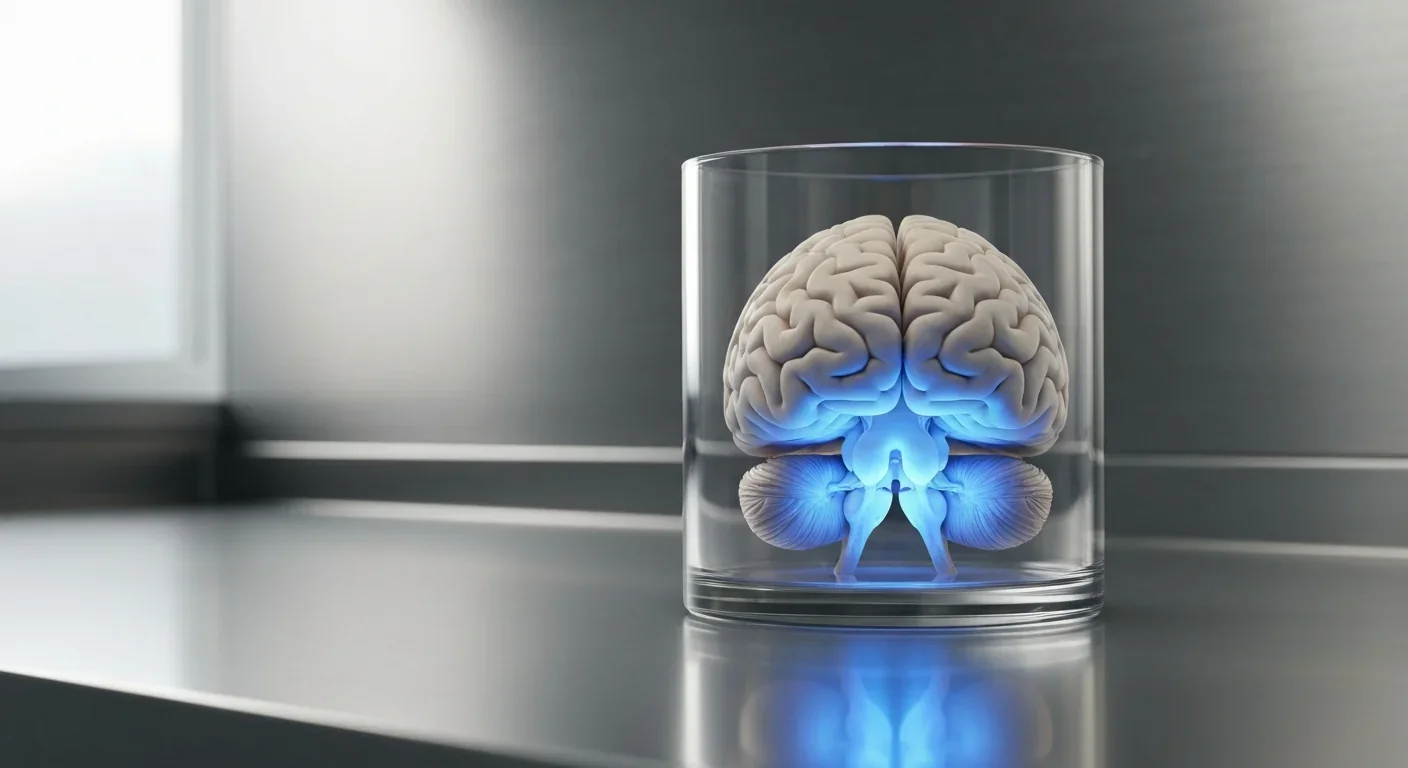
Alzheimer's Starts in a Spot You've Never Heard Of
Your 'Motor Brain' Actually Controls Emotions
The Bacterial Sugar Behind Crohn's Disease Flares

How Gut Bacterium Bt Unlocks Fiber's Hidden Nutrition
Metformin Anti-Aging: How a Diabetes Drug May Slow Aging

Precision Vagus Nerve Stimulation: Organ-Targeted
TL;DR: Parabens weakly mimic estrogen but at levels thousands of times below natural hormones. While emerging research on cumulative exposure and epigenetic effects raises valid concerns, no causal link to disease has been established, and paraben-free alternatives aren't necessarily safer.
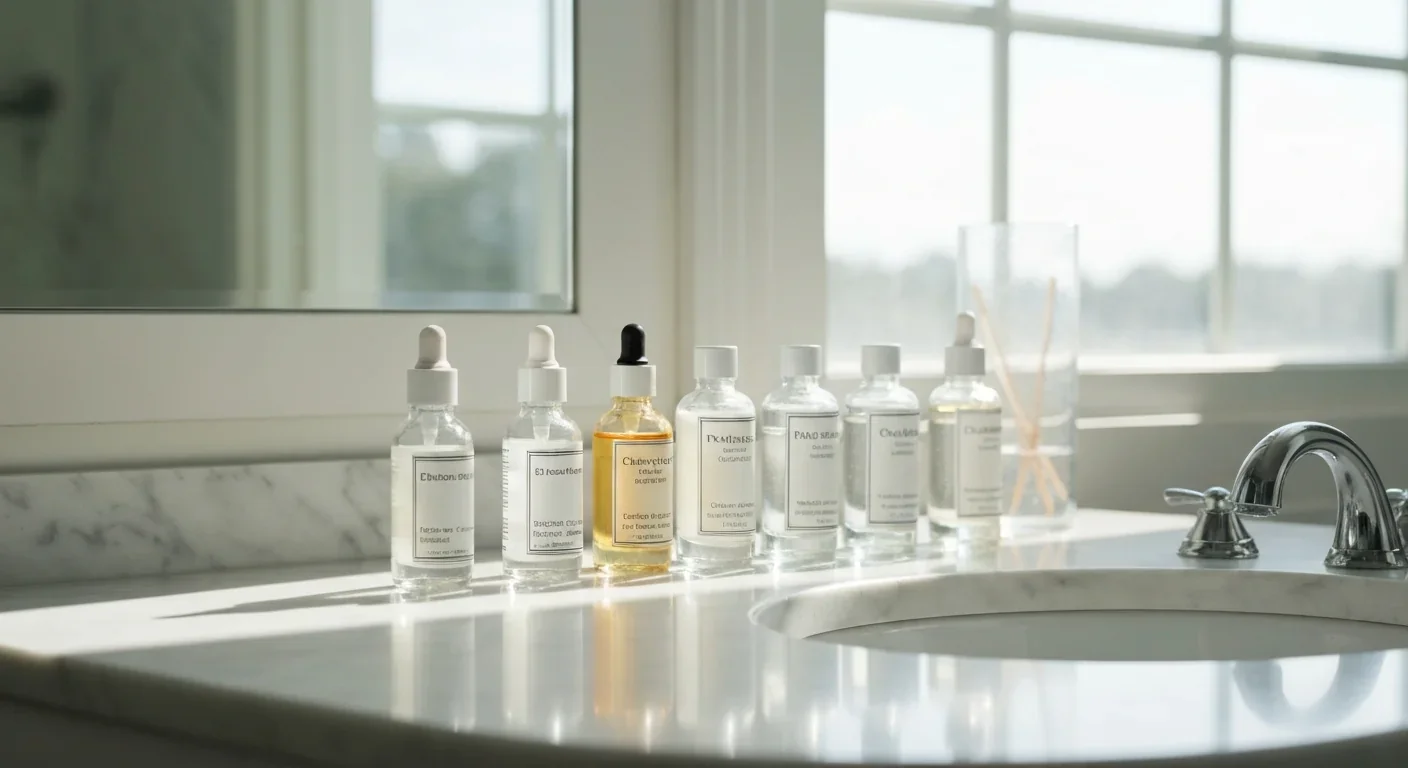
You probably checked your shampoo label this morning. Or maybe your moisturizer, your sunscreen, your toothpaste. If any of those products proudly declared themselves "paraben-free," you felt a small wave of relief, right? But here's the thing most consumers never hear: the science behind paraben safety is far more nuanced than any label can convey, and the alternatives sitting in your "clean" products might carry risks we haven't fully studied yet.
Parabens are esters of para-hydroxybenzoic acid, and they've been doing one job exceptionally well since the 1920s: killing bacteria, mold, and yeast in everything from cosmetics and sunscreens to pharmaceutical drugs and processed foods. The most common types are methylparaben, ethylparaben, propylparaben, and butylparaben, and they show up in an estimated 6 to 12 personal care products the average person uses daily.
The panic started with a specific molecular quirk. Parabens have a chemical structure that allows them to weakly mimic estrogen in the body. When these molecules penetrate the skin, a small amount enters the bloodstream and can bind to estrogen receptors. The estrogenic activity increases with the length of the alkyl group, making butylparaben the most potent of the bunch. But "potent" is relative. Even butylparaben's estrogenic activity is thousands of times weaker than the body's natural estradiol.
That distinction matters enormously, and it's exactly where the public conversation went sideways.
In 2004, British researcher Philippa Darbre published a study that detected parabens in 20 human breast tumor samples. The findings made international headlines and triggered a consumer backlash that reshaped the entire personal care industry. But the study had significant methodological limitations that rarely made it into the coverage. There was no comparison with healthy tissue, evidence of contamination was noted, and the quantities detected were extremely small, measured in nanograms per gram.
The crucial scientific distinction here is between detection and causation. Parabens were present in breast tumors, but the study did not demonstrate that parabens caused those tumors to develop. Finding a chemical in tissue only proves it arrived there, not that it did damage. The American Cancer Society has stated that claims linking personal care product ingredients to breast cancer are "largely unfounded" based on current epidemiological evidence.
Detection is not causation. Finding a chemical in human tissue proves it arrived there, not that it caused harm. This distinction is the single most important concept for evaluating paraben research.
Yet the damage to public perception was done. By the time a 2020 review in Critical Reviews in Toxicology concluded that current paraben exposures from cosmetics fall below levels associated with adverse effects, millions of consumers had already switched to "paraben-free" products.
Walk into a drugstore in Berlin, Tokyo, or Houston, and you'll encounter very different regulatory philosophies about the same molecules. The EU Scientific Committee on Consumer Safety sets maximum concentrations of 0.4% for single parabens and 0.8% for mixtures in cosmetic products. The EU has gone further, banning isopropyl-, isobutyl-, phenyl-, benzyl-, and pentylparaben entirely while restricting propyl- and butylparaben concentrations.
The FDA takes a strikingly different approach. It considers parabens safe at low levels but acknowledges data gaps on cumulative and prenatal exposure. The maximum permissible concentration for propylparaben in cosmetics under FDA regulations is technically 25%, a figure that highlights how different the American regulatory framework is from Europe's.
In 2025, the EU's SCCS issued a final opinion on butylparaben specifically addressing safety for different age groups. The committee concluded that butylparaben at 0.14% concentration in cosmetics is not safe for use on children when products are used in combination. They established an aggregate exposure threshold of 245 micrograms per kilogram of body weight per day as a safety benchmark.
Meanwhile, individual U.S. states are creating their own rules. California banned propylparaben from foods in 2023, effective by 2027. New York has considered banning propylparaben because of its potential endocrine-disrupting activity. These state-level actions highlight a growing gap between federal permissiveness and local precaution.
Here's where the conversation gets genuinely complicated. Regulatory safety assessments typically evaluate individual products in isolation. But nobody uses just one product. The average person applies 6 to 12 personal care products daily, and when each product contains parabens within individually "safe" limits, the cumulative exposure tells a different story.
Research from the David Suzuki Foundation found that adolescent girls who wore makeup daily had 20 times more propylparaben in their urine than those who didn't use makeup. That's not an abstract safety concern. That's a measurable, significant difference in chemical body burden driven entirely by routine product use.
"This biological process emphasizes the profound and enduring impact that environmental stressors can exert on the epigenetic landscape of descendants."
- Researchers, Nature Communications, 2025
A 2026 study published in the Journal of Hazardous Materials Advances analyzed 82 pediatric over-the-counter liquid medications across 13 countries and found wide variability in paraben content. Products from Korea, Finland, and Malaysia showed particularly high levels of methylparaben and propylparaben. The study noted that children have higher relative intake and lower metabolic capacity to detoxify chemicals, making them more susceptible to endocrine-disrupting compounds.
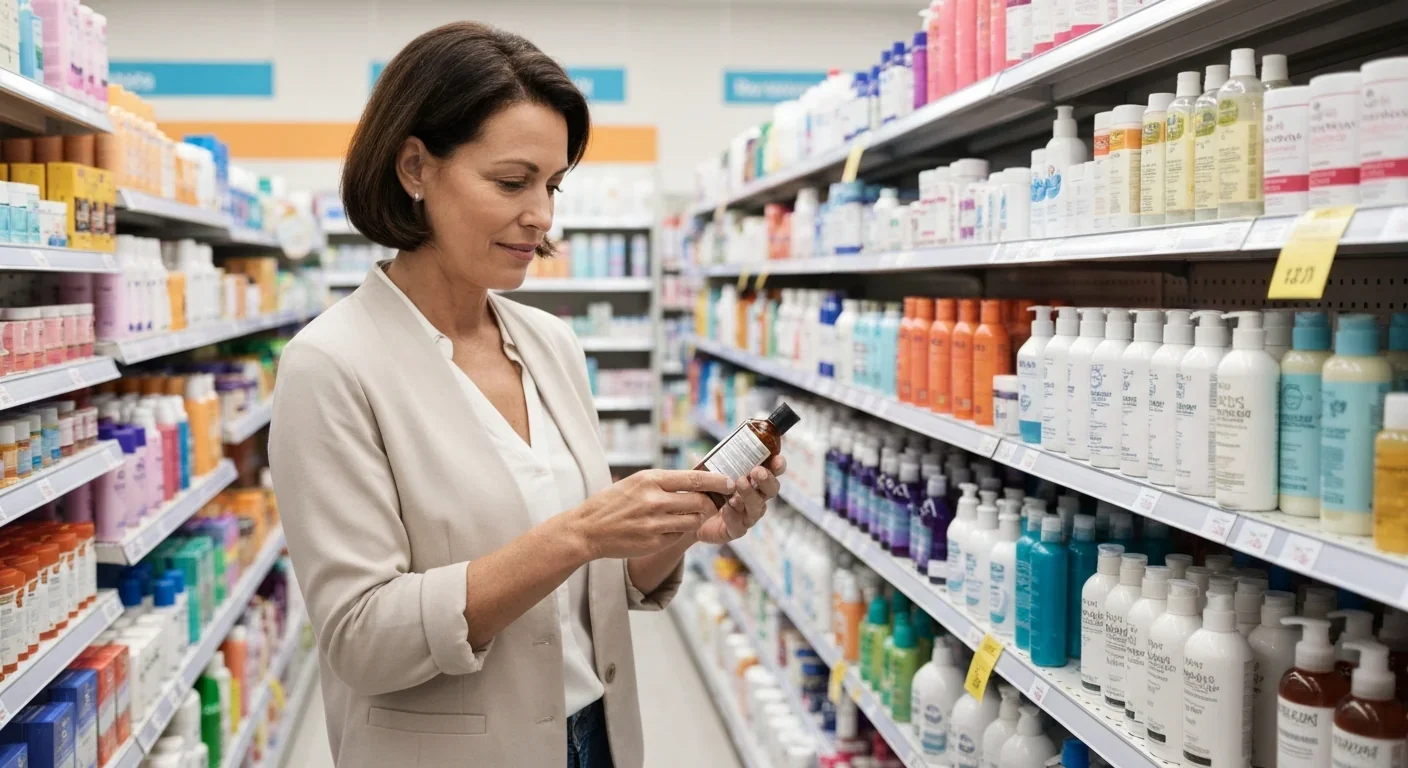
The good news? Parabens don't stick around forever. They're excreted through urine within 24 to 48 hours, and urinary paraben concentrations can drop by 40% after just three days of avoidance. The body clears them relatively quickly, which is reassuring, but it also means the exposure is constantly renewed with each morning routine.
The most striking recent research comes from a 2025 study published in Nature Communications that found propylparaben exposure in pregnant mice led to reduced fertility not just in the exposed mothers, but across multiple generations. The mechanism? Propylparaben reduced DNA methylation of a gene called Rhobtb1, leading to decreased ovarian follicle numbers and premature follicular loss that persisted into subsequent generations.
Interestingly, the research also found that mice receiving folic acid and vitamin B12 supplements during pregnancy showed healthier ovarian outcomes, suggesting potential protective strategies.
But there's an important caveat. The study used intraperitoneal injection for precise dosing rather than topical application, which doesn't perfectly replicate how humans encounter parabens. Animal studies provide valuable mechanistic insights, but direct extrapolation to human risk requires caution.
The beauty industry's response to paraben concerns has been swift and market-driven. Over half of beauty and personal care products sold in the U.S. are now paraben-free, with growth in this category outpacing the total market at 3.6% versus 2.0%. Retailers like Target and Sephora have created "clean" badge programs that highlight products formulated without propylparabens, butylparabens, and phthalates.
But here's the paradox nobody in marketing wants to discuss: parabens were named 2019's Non-Allergen of the Year by the American Contact Dermatitis Society. They have been featured in hundreds of safety studies summarized in an 82-page safety assessment published by the International Journal of Toxicology.
Parabens were named 2019's Non-Allergen of the Year by the American Contact Dermatitis Society, yet consumer surveys consistently rank them among the most feared cosmetic ingredients.
A review in Critical Reviews in Toxicology concluded it is "biologically implausible that parabens could increase the risk of any estrogen-mediated endpoint, including effects on the male reproductive tract or breast cancer."
The alternatives that replace parabens aren't necessarily better studied. Phenoxyethanol, the most popular substitute, is allowed in cosmetics up to 1% concentration. But it can cause skin reactions in sensitive individuals, with a sensitization rate of 0.24% at standard concentrations. French authorities recommend limiting it to 0.4% for use on young children and avoiding it in diaper-area products entirely. The FDA has issued warnings about phenoxyethanol in nipple creams.
As one industry analysis notes, fear-based marketing can push brands toward less effective preservative systems, potentially increasing product contamination and irritation risk. The issue isn't that alternatives are inherently dangerous. It's that swapping a well-studied preservative for a less-studied one based on consumer fear rather than scientific evidence doesn't automatically make products safer.
Different cultures and regulatory systems are approaching this challenge in remarkably different ways. The EU operates under the Cosmetics Regulation EC No. 1223/2009, one of the strictest frameworks in the world. China maintains its own inventory with maximum allowable concentrations of 0.4% for single esters and 0.8% for mixtures. Canada's Cosmetic Ingredient Hotlist places restrictions on parabens alongside other contested preservatives.
This patchwork creates real challenges for global brands and real confusion for consumers who travel or shop internationally. A product considered perfectly safe in New York might exceed concentration limits in Paris. Governments worldwide are implementing stricter regulations aimed at consumer safety and product transparency, but the speed and direction of these changes varies enormously.
"From a policy perspective, it is imperative to restrict the use of certain EDCs and to modernize preservative systems to mitigate daily exposure risks."
- Nature Communications Study Authors, 2025

So where does all of this leave the person standing in the skincare aisle, trying to make a reasonable choice? Here's an evidence-based framework.
Short-chain parabens like methylparaben and ethylparaben pose little health risk and are biodegradable. The stronger concerns center on longer-chain parabens, specifically butylparaben and propylparaben, which show greater estrogenic activity and are the ones being restricted by more cautious regulators.
If you want to reduce exposure, the approach is straightforward: choose paraben-free and organic-certified products, reduce ultra-processed and packaged foods, and be mindful of plastic containers. But don't assume that every "paraben-free" label automatically means "safer." Ask what replaced the parabens, and whether those alternatives have the same depth of safety research.
The honest scientific answer is that we're still learning. Parabens have nearly 100 years of safety data behind them, which is more than most alternatives can claim. The emerging research on epigenetic effects and cumulative exposure is genuinely concerning and deserves continued investigation. But the gap between "detected in tissue" and "causes disease" remains wide, and closing it requires the kind of careful, long-term epidemiological work that marketing departments can't wait for.
Within the next decade, expect regulatory convergence as agencies share data and the science matures. Until then, the best defense isn't fear. It's literacy, the ability to read a study as critically as you read a label.

Project Orion was a real 1960s program to reach other stars by detonating 800 nuclear bombs behind a spacecraft. The physics worked and the engineering was feasible, but the 1963 nuclear test ban treaty killed it. It remains the most credible interstellar spacecraft ever designed.
The locus coeruleus, a tiny brainstem structure, degenerates decades before Alzheimer's symptoms appear. Its loss cripples the brain's inflammation control, waste clearance, and sleep regulation. New imaging tools and noradrenergic therapies offer hope for early detection and prevention.

Research shows the sharing economy often increases total resource consumption through the Jevons paradox and rebound effects. Ride-sharing adds billions of vehicle miles, co-working spaces use more energy per worker, and diffused responsibility erodes conservation behavior. Breaking the paradox requires congestion pricing, accountability design, and matching sharing models to appropriate resource types.

Psychological reactance theory explains why banning or restricting things makes people want them more. From Prohibition to the Streisand effect to scarcity marketing, research shows that threatening people's freedom reliably backfires, and autonomy-supportive communication is far more effective.

A carnivorous pitcher plant in Borneo evolved to house bats instead of trapping insects, gaining up to 95% of its nitrogen from bat guano. The plant even built an ultrasonic reflector to help bats find it, revealing that carnivory in plants is a flexible spectrum.
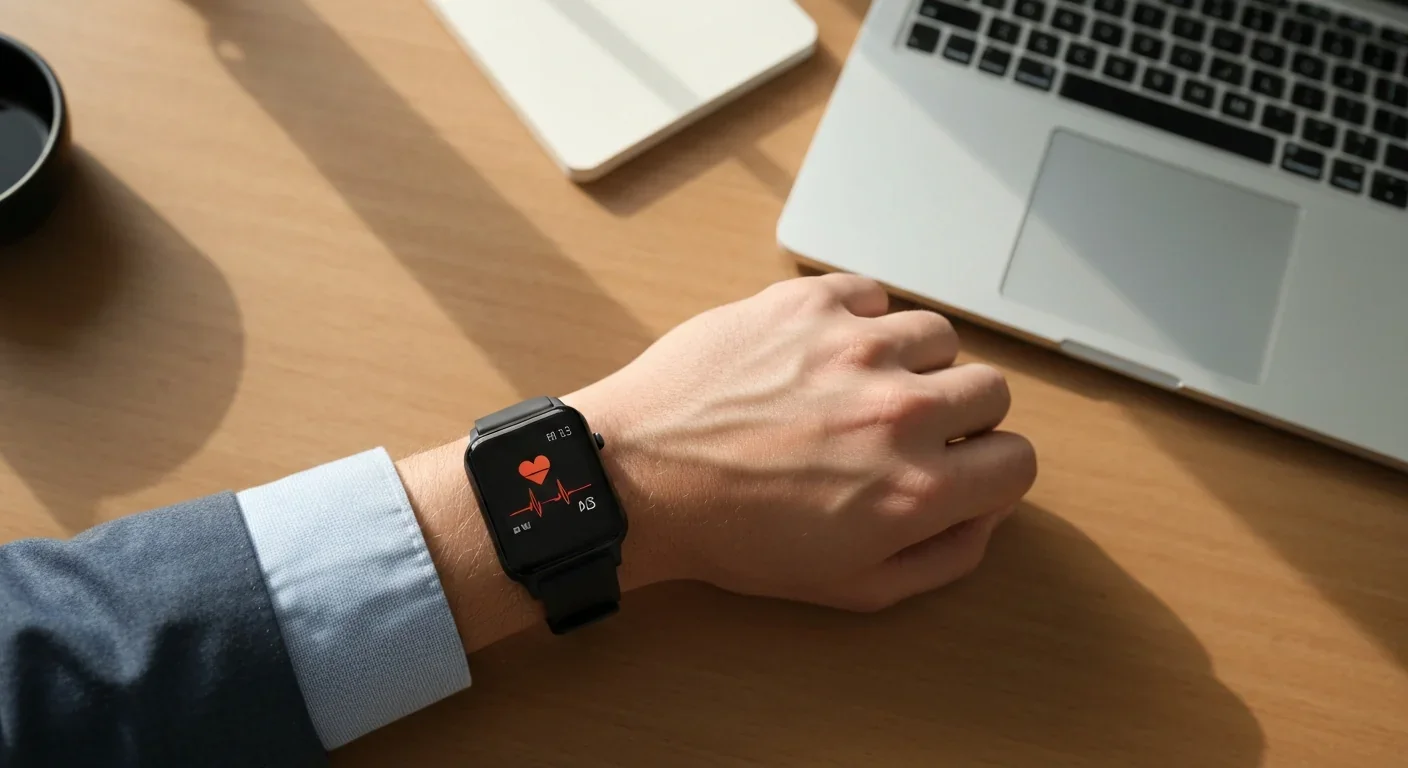
The quantified self movement began as a hacker-ethos pursuit of personal insight, but corporate wearables now funnel biometric data to employers, insurers, and data brokers. With 81% of Americans wrongly believing health apps are HIPAA-protected, a regulatory void enables health data to be sold for pennies while generating anxiety instead of empowerment.

CXL memory pooling lets servers dynamically share DRAM over a cache-coherent interconnect, eliminating the 40% stranded memory waste in data centers. With commercial hardware now shipping and Azure deploying CXL cloud instances, this technology promises to cut memory costs by 50% while enabling composable infrastructure.

Loading featured articles...