Alzheimer's Starts in a Spot You've Never Heard Of
Alzheimer's Starts in a Spot You've Never Heard Of

Your 'Motor Brain' Actually Controls Emotions
The Bacterial Sugar Behind Crohn's Disease Flares

Metformin Anti-Aging: How a Diabetes Drug May Slow Aging
Precision Vagus Nerve Stimulation: Organ-Targeted

Paraben Science: What Estrogen-Mimicking Preservatives Do
TL;DR: Bacteroides thetaiotaomicron uses 88 specialized gene clusters and over 260 enzymes to decode and digest dietary fibers humans can't break down, converting them into essential short-chain fatty acids. When fiber runs out, it eats your gut's protective mucus instead, with cascading health consequences.
Here's a number that should stop you in your tracks: roughly 18% of Bt's entire genome is dedicated to breaking down complex carbohydrates. That's an enormous investment of genetic real estate for a single function. The bacterium encodes approximately 88 distinct polysaccharide utilization loci (PULs) and over 260 carbohydrate-active enzymes (CAZymes). To put that in perspective, humans produce roughly 17 digestive enzymes total. Bt has over 260 just for carbohydrates.
Each PUL is essentially a self-contained instruction manual for dismantling a specific type of complex sugar. One PUL handles starch. Another tackles pectin. A third specializes in xylan, the hemicellulose that stiffens plant cell walls. This isn't a blunt instrument approach to digestion. It's a precision operation, and researchers are only now beginning to understand the elegance of how it works.
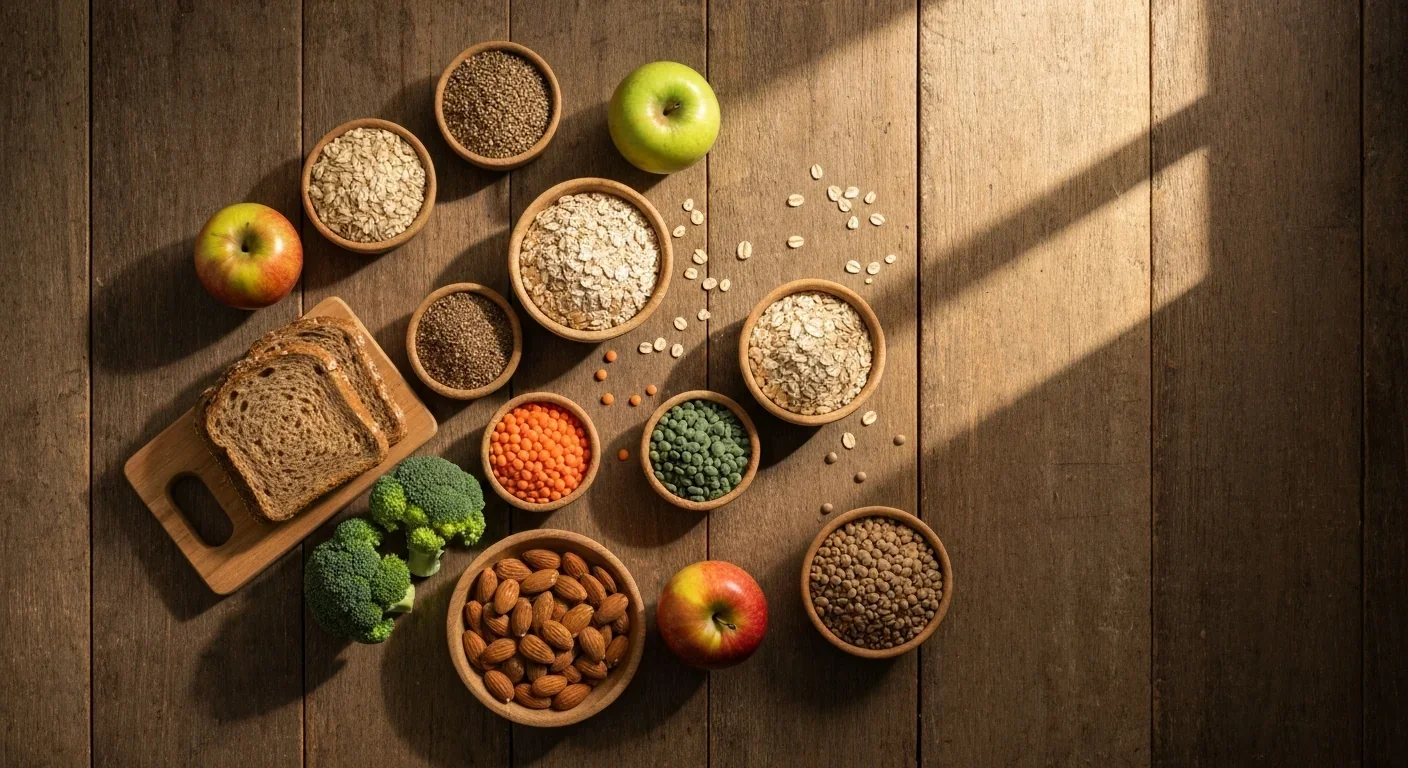
The short-chain fatty acids (SCFAs) that Bt produces from this fiber breakdown, primarily acetate and propionate, aren't waste products. They're essential molecules that feed the cells lining your colon, regulate immune function, and contribute an estimated 5 to 15% of your total daily caloric needs. Your gut bacteria are quietly subsidizing your energy budget every single day.
Bt dedicates 18% of its genome to carbohydrate processing and encodes over 260 specialized enzymes for the task. Humans, by comparison, produce roughly 17 digestive enzymes total.
The relationship between humans and their fiber-degrading gut bacteria stretches back millions of years. Just as the printing press democratized knowledge by making books accessible to ordinary people, Bt democratized nutrition by making plant fiber accessible to our metabolic systems. Without these bacteria, the vast majority of the calories locked inside dietary fiber would pass through us completely wasted.
The starch utilization system (Sus) was the first PUL ever characterized, back in the 1980s. It became the Rosetta Stone for understanding how gut Bacteroidetes digest complex carbohydrates. The system centers on two proteins, SusC and SusD, that sit on the bacterial outer membrane and work together like a mechanical trap.
In 2017, researchers at Newcastle University solved the first three-dimensional crystal structure of the SusC/SusD complex, and what they found was remarkably intuitive. The complex functions like a pedal bin. SusD acts as the lid, opening to expose a binding site when polysaccharide fragments are nearby. Once a sugar chain lands in the right position, the lid snaps shut, and the cargo gets threaded through the SusC channel into the cell. It's a beautifully simple mechanical solution to a complex biochemical problem.
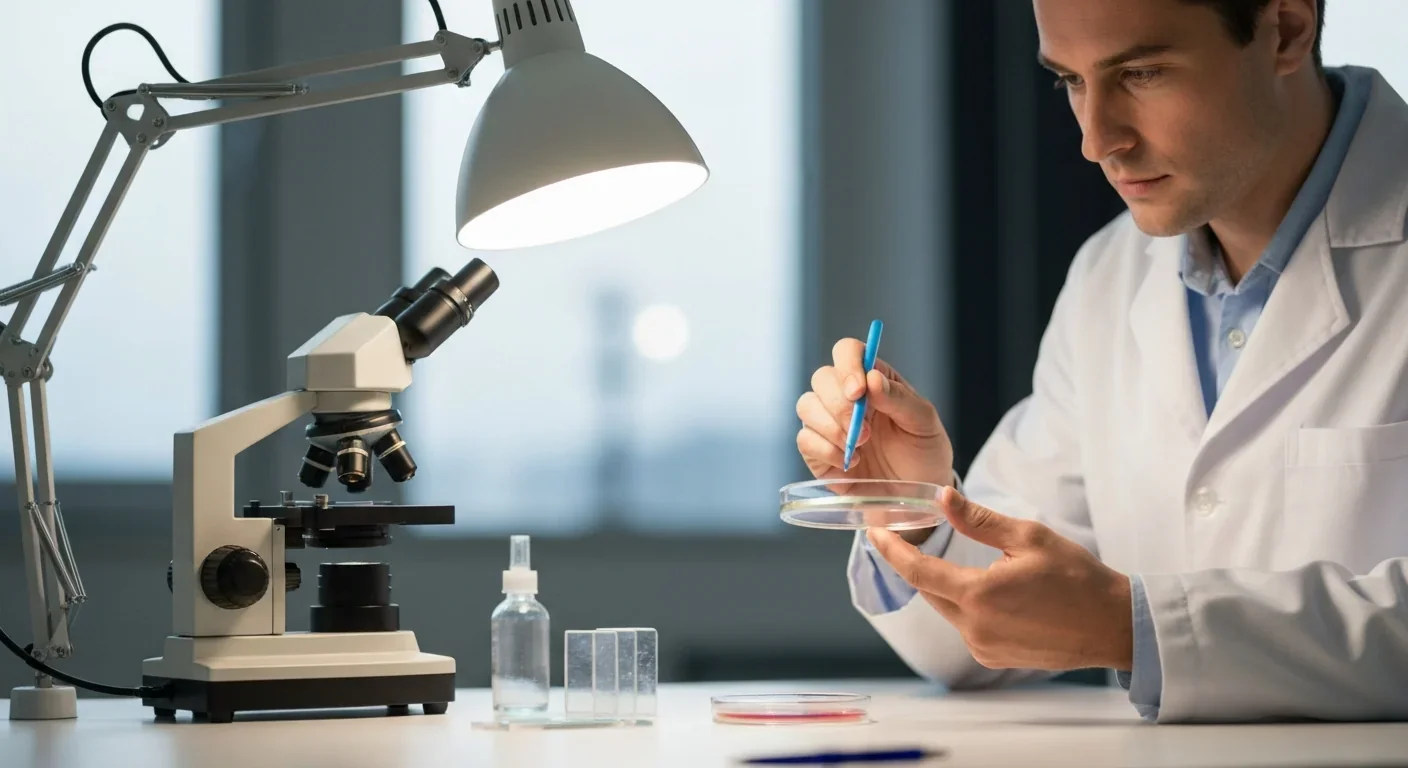
But Bt didn't stop at starch. Over evolutionary time, it duplicated and diversified this basic SusC/SusD blueprint dozens of times, tailoring each copy to recognize a different sugar structure. The result is a library of 88 distinct PULs, each tuned to a specific dietary fiber. Recent cryo-electron microscopy studies of Bt's dextran-processing machinery revealed that these protein complexes pre-assemble on the cell surface even before their target substrate arrives, ready to snap into action the moment the right fiber shows up in the gut. About 60% of the transport complexes adopted a closed-lid configuration upon encountering dextran, while 40% remained in a mixed open-closed state, suggesting a dynamic, probabilistic capture mechanism.
This evolutionary story isn't unique to Bt. A study tracking selective sweeps across 32 gut microbial species found that carbohydrate transport genes, including SusC/SusD clusters, were among the most frequent targets of natural selection in the human gut. These genes are under intense evolutionary pressure across five distinct bacterial species, meaning that the ability to grab fiber before a competitor does is one of the strongest survival advantages in the intestinal ecosystem.
"SusCD complexes function like a pedal bin, with SusD forming the lid on the SusC bin. In the absence of substrate, the lid can open. After substrate capture, the lid closes and the substrate moves into the bin for transport into the cell."
- Newcastle University researchers, Nature (2017)
What makes Bt's system truly remarkable isn't just that it can break down fiber. It's that the bacterium knows which fiber is present and activates only the relevant toolkit. This is where hybrid two-component systems (HTCSs) come in. These molecular sensors detect specific sugar fragments produced during the initial breakdown of a polysaccharide and relay a signal that switches on the corresponding PUL.
Think of it like a smart home system. You don't turn on every light, appliance, and speaker in your house simultaneously. Instead, motion sensors detect which room you're in and activate only the relevant systems. Bt does the same thing with its 88 PULs. When pectin fragments are detected, the pectin PUL fires up. When resistant starch appears, the starch utilization system kicks in. This selective activation is metabolically efficient and prevents the bacterium from wasting resources on enzymes it doesn't need.
Recent research has shown just how rapidly Bt can adapt this system. In laboratory evolution experiments where Bt was cultured on increasingly complex carbohydrate mixtures for 84 days (roughly 500 generations), the bacterium accumulated over 1,600 single nucleotide polymorphisms. Many of these mutations targeted HTCS genes, effectively fine-tuning the sensitivity of its fiber-detection systems. Evolved populations showed 3- to 5-fold increases in SusC and SusD gene expression and could outcompete their ancestors by more than twofold when grown on complex media.
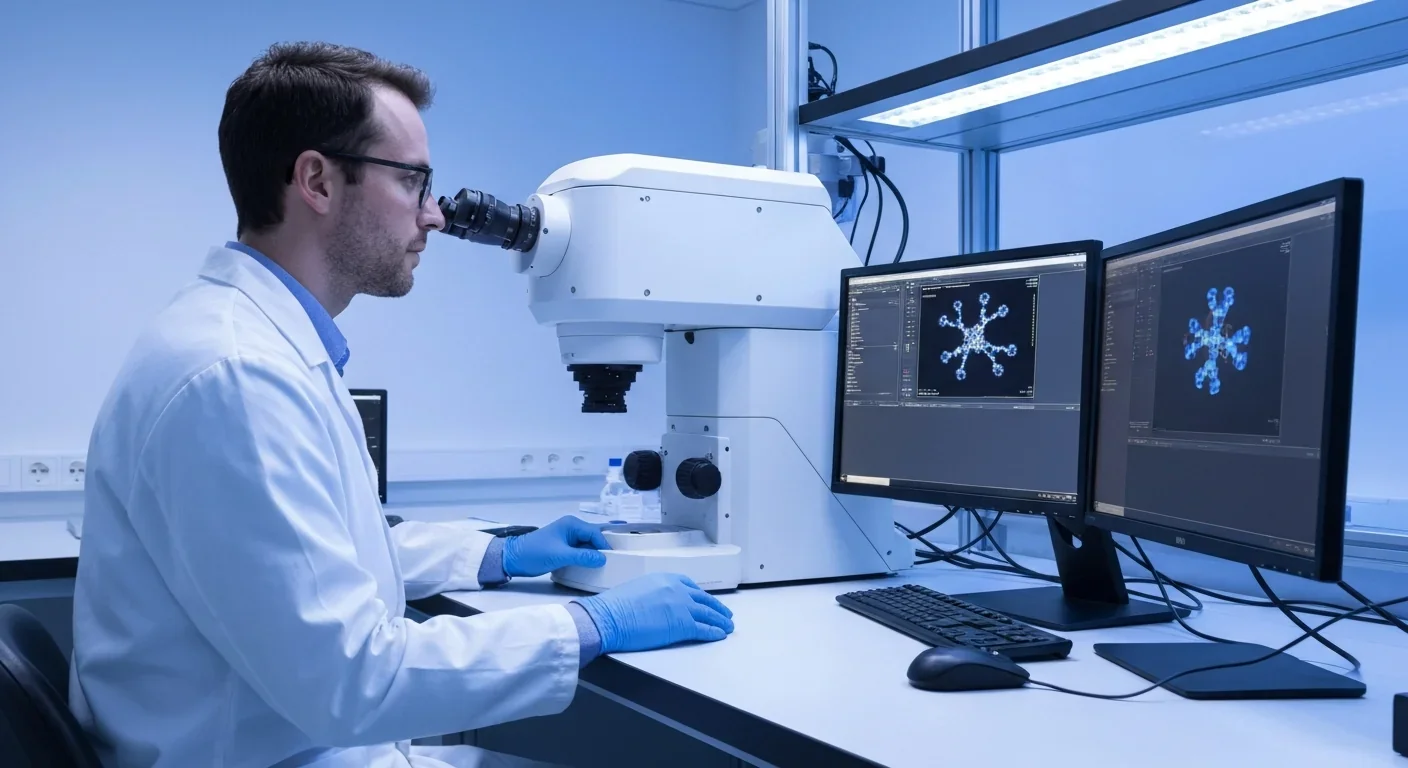
Even more striking, Bt uses a strategy called phase variation, where site-specific DNA recombinases physically flip segments of the genome to toggle certain PUL genes on or off. This creates a genetically diverse population where different individual cells express different subsets of PULs, essentially hedging their bets against unpredictable shifts in dietary fiber availability. Within just three days of colonizing a new gut environment, researchers detected thousands of de novo mutations, showing that Bt begins adapting to its nutritional surroundings almost immediately.
Here's where the story takes a darker turn. What happens when you stop feeding your gut bacteria the fiber they evolved to consume? The answer is both fascinating and alarming.
When dietary fiber is scarce, Bt doesn't simply go dormant. Instead, it switches to consuming the mucus layer that lines and protects your intestinal wall. This mucus is made of complex glycans, structurally similar to plant fiber, and Bt has PULs that can degrade it. In evolutionary terms, this makes sense as a survival strategy. But for the host, it's a serious problem.
Professor Eric Martens at the University of Michigan described the consequences bluntly: "These bacteria start foraging on the mucus layer for nutrients, reducing its thickness and barrier function and bringing microbes just 10 to 100 microns closer to the host tissue." That thinning of the mucus barrier has been directly linked to increased inflammation and heightened vulnerability to pathogens.
When fiber runs out, Bt pivots to eating the protective mucus lining of your gut, thinning the barrier and bringing bacteria 10 to 100 microns closer to your intestinal tissue.
Research from the Sonnenburg lab at Stanford found something even more troubling. Mice fed a low-fiber Western diet didn't just lose microbial diversity in their own guts. They passed that impoverished microbiome to their offspring. After four generations on a fiber-poor diet, the mice retained only a fraction of their original microbial diversity, and reintroducing fiber couldn't bring back the lost species. Some bacteria had gone locally extinct.

As Justin Sonnenburg put it: "When you eat different food, you don't change the cells in your heart, but you can change the cells that are in your gut microbiome, fundamentally changing your biology."
Most Westerners consume roughly half the recommended daily fiber. More than 90% of women and 97% of men in the United States fail to meet even basic fiber recommendations. That's not just a nutritional gap. It's a microbiome crisis unfolding across generations.
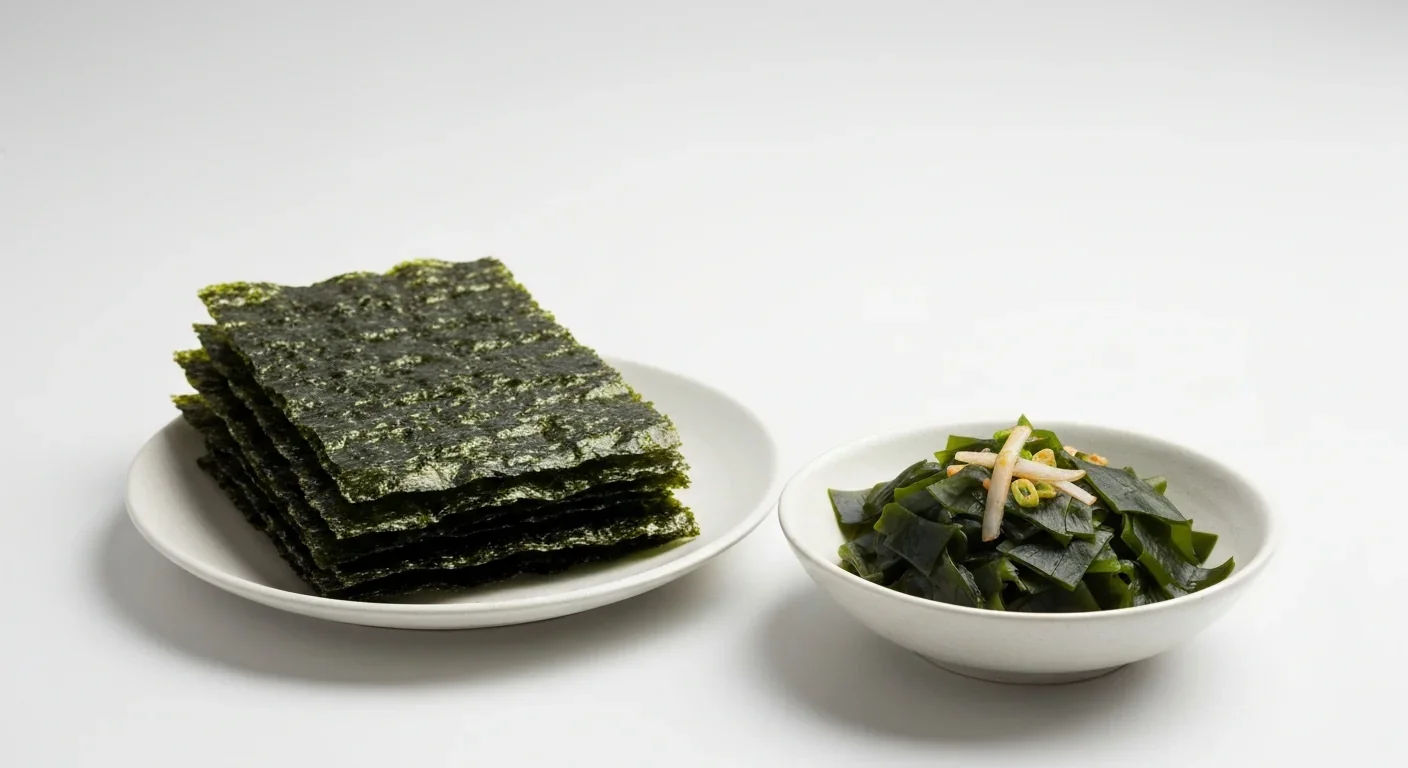
The fiber-microbiome relationship plays out differently around the world, and the differences are revealing. Researchers analyzing over 2,000 human microbiome samples from Asia, Africa, North America, South America, and Europe found that the genes for digesting specific complex carbohydrates vary dramatically by geography. Populations in Japan and China, where seaweed consumption has been common for millennia, show enrichment of genes for processing carrageenan and porphyran, marine polysaccharides that most Western gut microbiomes can't touch.
This isn't a coincidence. It's evidence of diet-driven evolution operating on the microbiome itself. A related Bacteroides species, Phocaeicola plebeius, acquired the ability to digest porphyran (the main polysaccharide in nori seaweed) through horizontal gene transfer from a marine bacterium called Zobellia galactanivorans. The genes came as a modular cassette, a self-contained unit of carbohydrate-degrading enzymes that slotted neatly into the bacterium's genome. Bt itself possesses a related gene arrangement specialized for degrading alpha-mannan, a fungal sugar, suggesting these gene-swapping events have shaped Bacteroides capabilities for a very long time.
What's particularly intriguing is that this gene transfer isn't limited to the Bacteroidetes phylum. Firmicutes bacteria, which are even more prevalent in the human gut, have also picked up seaweed-degrading genes, indicating convergent evolution across distantly related microbial lineages, all driven by what humans choose to eat.
"Whether they came directly from an oceanic bacterium someone just happened to consume or through a more complex path into the human gut is still a mystery."
- Professor Eric Martens, University of Michigan
The implications are clear. Your microbiome is shaped not just by your own diet but by generations of dietary history encoded in your microbial genes.
Understanding how Bt's PUL system works has opened the door to something genuinely transformative: the ability to design dietary fibers that selectively feed specific beneficial bacteria. In a landmark experiment, researchers at Stanford showed that by feeding mice a diet rich in porphyran, a carbohydrate not commonly found in Western diets, they could reliably establish a specific porphyran-digesting Bacteroides strain in the gut. On standard mouse chow, the strain colonized poorly or not at all. With porphyran, it engrafted robustly in every single animal.
The team went further, demonstrating that the genes for porphyran digestion exist as a transferable module that can be engineered into other Bacteroides strains, granting them the same colonization advantage. As Sonnenburg explained, "We can use these gene modules to develop a vast toolkit to make therapeutic microbial treatments a reality."
This is the concept of precision prebiotics: specific fiber structures designed to create an exclusive metabolic niche for a desired bacterial strain. Rather than taking a broad-spectrum probiotic pill and hoping the bacteria survive the acidic gauntlet of the stomach, you'd eat a specific type of fiber that only your target bacterium can use, giving it a competitive advantage over every other microbe in your gut.
Combined with insights from structural biology revealing exactly how Bt's SusD lid binds specific sugar chains, researchers are beginning to envision fibers engineered at the molecular level to trigger uptake by specific bacterial transporters. The aromatic residues (tryptophan and tyrosine) that line the SusD binding groove create a chemical fingerprint that future fiber designers could exploit.
The science of Bt and its polysaccharide utilization system reframes a deceptively simple dietary recommendation. "Eat more fiber" isn't vague health advice. It's a molecular instruction to feed the enzymatic machinery that sustains your gut barrier, produces essential fatty acids, and shapes your immune system. The diversity of fibers you consume, from oat beta-glucans to resistant starch to pectin-rich fruits, determines which of Bt's 88 PULs stay active and which fall silent.
Within the next decade, you'll likely see dietary fiber recommendations move beyond simple gram counts toward fiber diversity scores, personalized based on your microbiome's unique PUL repertoire. The bacteria in your gut are already reading your diet with extraordinary precision. The question is whether you're giving them a rich novel to work with or a blank page.

Project Orion was a real 1960s program to reach other stars by detonating 800 nuclear bombs behind a spacecraft. The physics worked and the engineering was feasible, but the 1963 nuclear test ban treaty killed it. It remains the most credible interstellar spacecraft ever designed.
The locus coeruleus, a tiny brainstem structure, degenerates decades before Alzheimer's symptoms appear. Its loss cripples the brain's inflammation control, waste clearance, and sleep regulation. New imaging tools and noradrenergic therapies offer hope for early detection and prevention.

Research shows the sharing economy often increases total resource consumption through the Jevons paradox and rebound effects. Ride-sharing adds billions of vehicle miles, co-working spaces use more energy per worker, and diffused responsibility erodes conservation behavior. Breaking the paradox requires congestion pricing, accountability design, and matching sharing models to appropriate resource types.

Psychological reactance theory explains why banning or restricting things makes people want them more. From Prohibition to the Streisand effect to scarcity marketing, research shows that threatening people's freedom reliably backfires, and autonomy-supportive communication is far more effective.
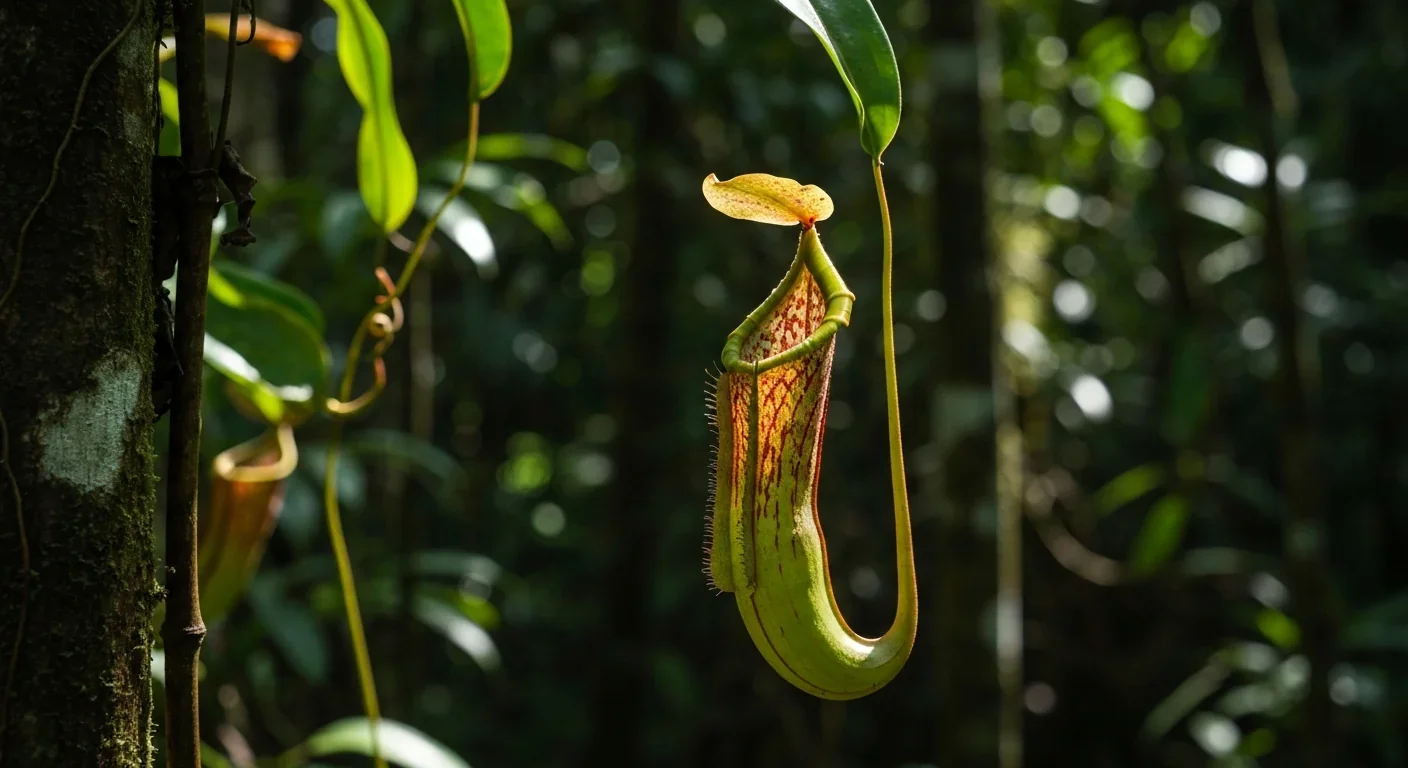
A carnivorous pitcher plant in Borneo evolved to house bats instead of trapping insects, gaining up to 95% of its nitrogen from bat guano. The plant even built an ultrasonic reflector to help bats find it, revealing that carnivory in plants is a flexible spectrum.

The quantified self movement began as a hacker-ethos pursuit of personal insight, but corporate wearables now funnel biometric data to employers, insurers, and data brokers. With 81% of Americans wrongly believing health apps are HIPAA-protected, a regulatory void enables health data to be sold for pennies while generating anxiety instead of empowerment.

CXL memory pooling lets servers dynamically share DRAM over a cache-coherent interconnect, eliminating the 40% stranded memory waste in data centers. With commercial hardware now shipping and Azure deploying CXL cloud instances, this technology promises to cut memory costs by 50% while enabling composable infrastructure.

Loading featured articles...