Alzheimer's Starts in a Spot You've Never Heard Of
Alzheimer's Starts in a Spot You've Never Heard Of
Your 'Motor Brain' Actually Controls Emotions

The Bacterial Sugar Behind Crohn's Disease Flares

How Gut Bacterium Bt Unlocks Fiber's Hidden Nutrition

Metformin Anti-Aging: How a Diabetes Drug May Slow Aging

Precision Vagus Nerve Stimulation: Organ-Targeted
TL;DR: Baroreceptors are specialized pressure sensors in your arteries that do far more than monitor blood pressure - they influence stress responses, emotional states, and mental health. New research reveals how these tiny sensors connect cardiovascular function to anxiety and depression, opening revolutionary treatment pathways from implanted devices to simple breathing techniques.
Your heart races during a presentation. You stand up too quickly and feel dizzy. A stressful conversation sends your blood pressure soaring. What if I told you that tiny sensors embedded in your artery walls are orchestrating all of these responses, acting as your body's real-time surveillance system for cardiovascular health and emotional regulation?

These sensors are called baroreceptors, and they're reshaping how scientists understand the intimate connection between physical stress, mental health, and heart disease. Far from being simple pressure gauges, these specialized nerve endings are emerging as key players in everything from anxiety disorders to resistant hypertension, opening unexpected pathways for therapeutic intervention that could transform millions of lives.
Baroreceptors are stretch receptors nestled primarily in two critical locations: the carotid sinuses in your neck and the aortic arch near your heart. Every time blood surges through these vessels, the arterial walls expand slightly, and baroreceptors detect this mechanical deformation with remarkable precision.
Think of them as biological strain gauges that continuously report to your brain. When blood pressure rises, the artery walls stretch more, and baroreceptors fire more rapidly. When pressure drops, their signaling slows. This information travels via the glossopharyngeal and vagus nerves to the solitary nucleus in your brainstem, which then coordinates responses throughout your autonomic nervous system.
The response happens faster than conscious thought. According to the Cleveland Clinic, the baroreflex operates within a couple of heartbeats. Stand up suddenly, and gravity pulls blood away from your brain. Your baroreceptors immediately sense the pressure drop in your carotid arteries, triggering your blood vessels to constrict and your heart to beat faster, all before you notice anything wrong.
The baroreflex operates within just two heartbeats, adjusting your blood pressure faster than you can consciously perceive the change.
This rapid-response system, called the baroreflex, functions as a negative feedback loop. High pressure triggers responses that lower it. Low pressure activates mechanisms to raise it. It's your body's autopilot for cardiovascular stability, operating 24/7 without your awareness or permission.
Here's where things get interesting: the same neural pathways that regulate blood pressure also modulate your stress response and emotional state. Research published in Frontiers in Psychiatry reveals surprising links between blood pressure variability, baroreceptor sensitivity, and conditions like anxiety and depression.
When baroreceptors signal increased pressure, they don't just adjust your heart rate. They also communicate with brain regions involved in emotional processing and stress perception. Activating the baroreflex reduces activity in the sympathetic nervous system, your body's "fight or flight" machinery, while enhancing parasympathetic (vagal) tone, which promotes calm and recovery.
This explains a fascinating clinical observation: people with reduced baroreceptor sensitivity often experience both cardiovascular problems and heightened anxiety. The connection isn't coincidental. Your baroreceptors are literally influencing how your brain interprets and responds to stressful situations.

Studies examining hypertension and panic disorder suggest that autonomic dysregulation, including impaired baroreflex function, may explain why these conditions frequently co-occur. When your body's pressure-sensing system malfunctions, both your cardiovascular stability and emotional resilience suffer.
Some researchers have even found that cervical spine instability can affect baroreceptor signaling, potentially causing heart palpitations, blood pressure fluctuations, and anxiety-like symptoms. This highlights how mechanical factors affecting these sensors can have cascading effects throughout multiple body systems.
Baroreceptor dysfunction manifests in several ways, each with distinct clinical implications. Understanding these patterns is crucial because they point toward specific therapeutic strategies.
In people with persistent high blood pressure, something counterintuitive happens: the baroreceptors adapt. Instead of continuously trying to lower the elevated pressure, they reset their baseline, essentially accepting the higher pressure as the new normal. The receptors become less sensitive to change, reducing the effectiveness of the baroreflex.
This adaptation explains why hypertension tends to be self-perpetuating. Once baroreceptors recalibrate, they actively work to maintain the elevated pressure, fighting against medications and lifestyle changes. Breaking this vicious cycle requires either resensitizing the receptors or bypassing their adapted setpoints entirely.
"In people with essential hypertension, the baroreceptors reset to maintain elevated blood pressure as if it were normal, becoming less sensitive to change."
- Wikipedia, Baroreceptor physiology
At the opposite extreme, some people, particularly older men, develop oversensitive baroreceptors. Even light pressure on the neck from shaving, tight collars, or turning the head quickly can trigger an exaggerated baroreflex response, causing dramatic drops in heart rate and blood pressure that lead to dizziness or fainting.
This condition, called carotid sinus hypersensitivity, demonstrates how finely tuned these sensors must be. Too sensitive, and everyday activities become dangerous. Too insensitive, and blood pressure control deteriorates.
When baroreceptor sensitivity declines, people often develop orthostatic hypotension, experiencing lightheadedness or fainting when standing. The sensors fail to detect the pressure drop quickly enough, so the compensatory response arrives too late. Blood pools in the legs, brain perfusion drops, and consciousness wavers.
This is particularly problematic for elderly individuals and those with conditions like dysautonomia, where autonomic nervous system dysfunction compounds baroreceptor impairment. Falls from orthostatic dizziness contribute significantly to injury and mortality in these populations.
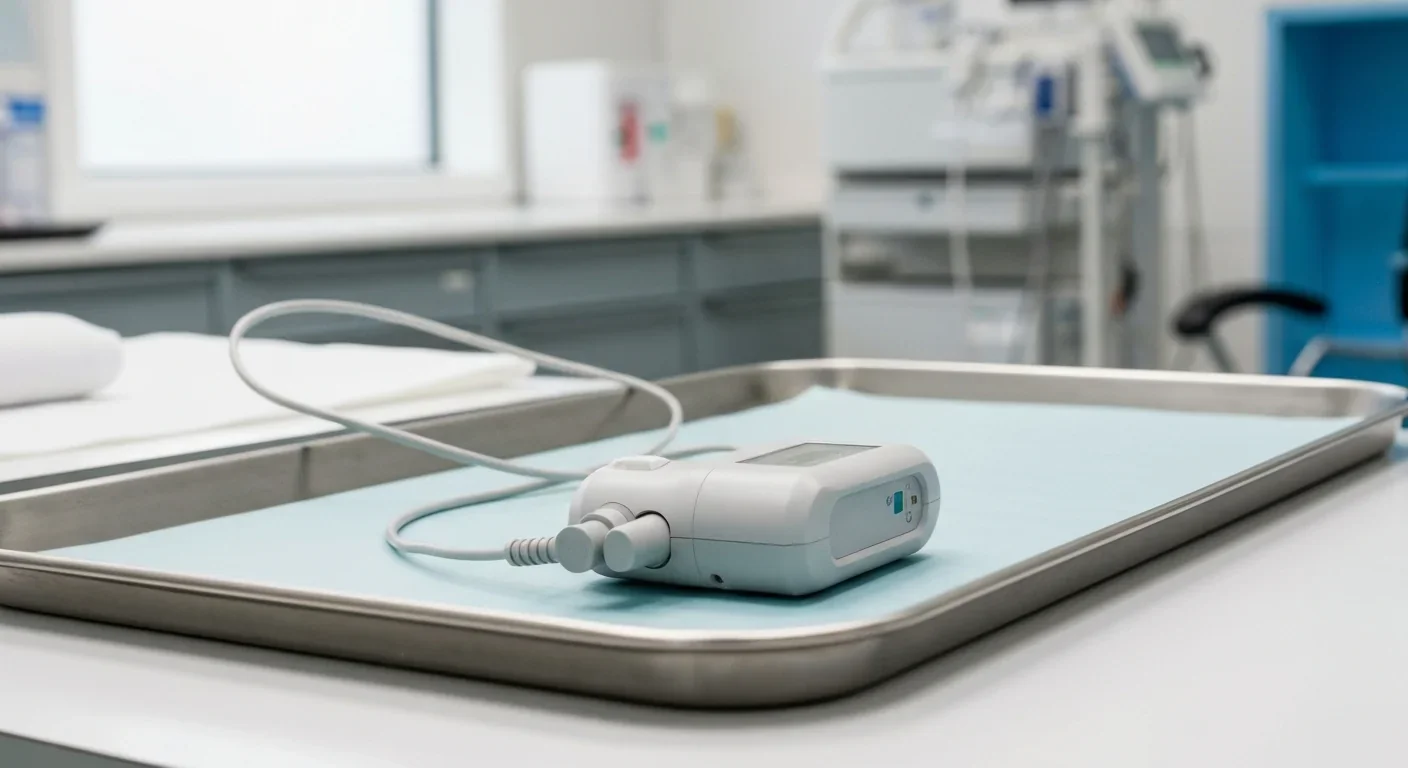
Recognition that baroreceptors play a central role in cardiovascular regulation has sparked innovative treatments that directly target these sensors. These approaches represent a fundamentally different strategy from traditional medications that affect the heart or blood vessels downstream.
The most dramatic intervention is Barostim, a pacemaker-like device implanted near the carotid sinus that electrically stimulates baroreceptors. By artificially activating these sensors, the device tricks the body into thinking blood pressure is higher than it actually is, triggering compensatory mechanisms that lower it.
Clinical studies show that baroreflex activation therapy can reduce systolic blood pressure by 15-25 mmHg in patients with resistant hypertension who haven't responded to multiple medications. Long-term data demonstrates sustained benefits, with patients able to reduce their antihypertensive medications from an average of 6.6 classes to 5.6 classes.
Baroreflex activation therapy can reduce blood pressure by 15-25 mmHg in patients with resistant hypertension, allowing them to decrease their medication burden.
Real-world evidence from studies published in Hipertensión y Riesgo Vascular confirms these laboratory findings hold up in diverse patient populations. The therapy also shows promise for heart failure, where reducing sympathetic overdrive and enhancing vagal tone improves cardiac function beyond just blood pressure effects.
Researchers are now exploring whether activating baroreceptors could also treat anxiety disorders, depression, and other stress-related conditions by modulating the neural pathways connecting cardiovascular control to emotional regulation.
While carotid sinus stimulation has dominated clinical trials, research published in Frontiers in Cardiovascular Medicine demonstrates that stimulating aortic arch baroreceptors in experimental models produces similar blood pressure reductions. This opens possibilities for alternative implantation sites that might be technically easier or have fewer complications.
The aortic arch location could also provide more stable, sustained stimulation because it's less affected by neck movements and external pressure than the carotid sinus. Clinical trials testing this approach in humans are expected within the next few years.
An emerging parallel approach targets the renal nervous system, which influences both kidney function and baroreceptor sensitivity. Low-level stimulation of renal nerves appears to enhance baroreflex function while also directly affecting blood pressure regulation through kidney-mediated mechanisms.
This strategy exemplifies how understanding baroreceptors as part of an integrated cardiovascular control network, rather than isolated sensors, enables more sophisticated therapeutic targeting. Combining renal nerve modulation with baroreflex activation might produce synergistic effects exceeding either approach alone.
You don't need an implanted device to influence your baroreflex. Several non-invasive techniques can enhance baroreceptor sensitivity and improve cardiovascular regulation.

Research on slow breathing and heart rate variability shows that controlled breathing at about six breaths per minute optimally stimulates baroreceptors by creating rhythmic blood pressure oscillations. This frequency resonates with the natural dynamics of the baroreflex, strengthening its responsiveness over time.
A study in PLOS ONE compared box breathing with six-breaths-per-minute paced breathing, finding that slower breathing patterns improved cardiovascular recovery after high-intensity exercise more effectively. The mechanism involves enhanced baroreflex engagement that reduces sympathetic activation and promotes parasympathetic dominance.
Practicing slow breathing for just 10-15 minutes daily may improve baroreceptor sensitivity, potentially benefiting both blood pressure control and stress resilience. Apps and biofeedback devices that guide breathing at this optimal frequency are increasingly available, making the technique accessible to anyone.
"Breathing at approximately six breaths per minute creates rhythmic blood pressure oscillations that optimally stimulate baroreceptors, strengthening baroreflex responsiveness."
- Research on slow breathing and HRV, PubMed
Regular aerobic exercise enhances baroreflex sensitivity through multiple mechanisms. Physical activity improves arterial compliance, making vessel walls more responsive to pressure changes. It also upregulates neural pathways involved in the baroreflex and reduces baseline sympathetic tone.
Research examining baroreflex sensitivity following exercise in coronary artery disease patients demonstrates that even in damaged cardiovascular systems, exercise training can partially restore baroreceptor function. The benefits extend beyond the immediate post-exercise period, with chronic training producing lasting improvements in baroreflex gain.
Interestingly, the type of exercise matters. Moderate-intensity continuous training appears most beneficial for baroreflex enhancement, whereas very high-intensity intervals may temporarily impair sensitivity before subsequent adaptation occurs. For most people, activities like brisk walking, cycling, or swimming for 30-45 minutes several times weekly provide optimal baroreceptor benefits.
Controlled cold exposure activates baroreceptors through multiple pathways. Sudden cooling triggers peripheral vasoconstriction, increasing central blood pressure and stimulating these sensors. Regular cold exposure, whether through cold showers or cold-water immersion, may enhance baroreflex responsiveness over time.
Studies in stable heart disease patients found that upper-body exercise in cold environments produced distinct baroreflex responses compared to thermoneutral conditions. While acute cold stress challenges the system, repeated exposure appears to improve autonomic flexibility and baroreceptor adaptability.
This suggests that progressive cold adaptation, starting with brief exposures and gradually extending duration, might serve as a training stimulus for the baroreflex. However, people with cardiovascular disease should approach cold exposure cautiously and under medical supervision.
As baroreceptor science advances, so do methods for assessing their function. Traditional measurement required invasive arterial line monitoring in clinical settings, limiting research and therapeutic applications.
New approaches using photoplethysmography, the same optical technology in fitness trackers and smartwatches, now enable ambulatory baroreflex sensitivity estimation. By analyzing the relationship between blood pressure fluctuations and heart rate changes derived from pulse wave analysis, researchers can approximate baroreceptor function continuously in real-world conditions.
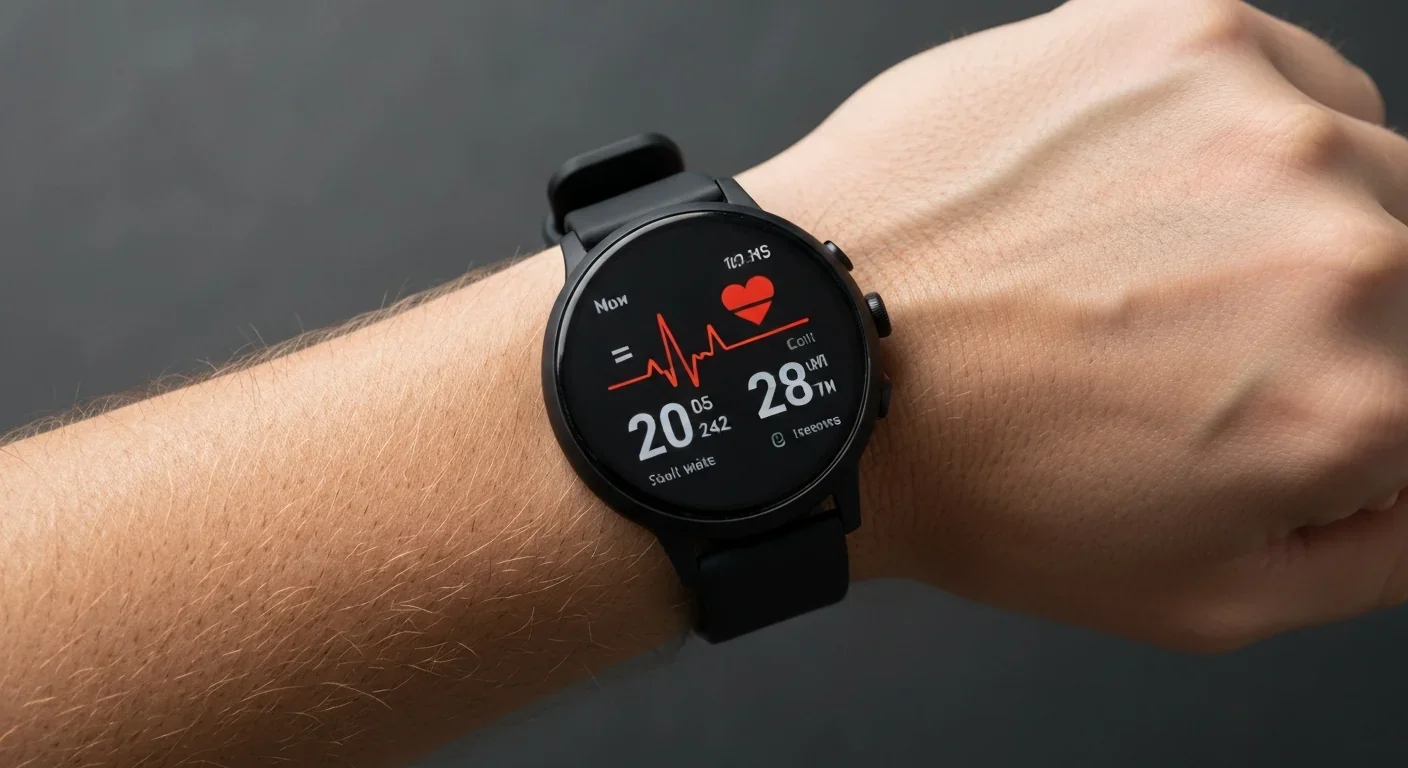
This technological evolution could transform baroreceptor sensitivity from an obscure research metric to a routine health indicator, like blood pressure or heart rate. Imagine your smartwatch not just tracking your steps and heart rate, but also monitoring how well your pressure sensors are functioning, alerting you to autonomic dysfunction before symptoms appear.
Research teams are developing algorithms that extract baroreflex parameters from standard electrocardiograms and even smartphone cameras, potentially enabling widespread screening. Early detection of baroreceptor impairment could identify people at risk for hypertension, orthostatic intolerance, and autonomic disorders years before clinical manifestations.
Perhaps the most profound implication of baroreceptor research is what it reveals about the deep integration between cardiovascular physiology and brain function. These sensors don't just regulate blood pressure; they continuously inform your brain about your body's physiological state, influencing perception, emotion, and cognition.
A study published in Frontiers in Neuroimaging used functional MRI to examine how baroreflex activation affects central sympathetic circuits and cerebral blood flow. The findings showed that stimulating baroreceptors modulates activity in brain regions involved in emotion regulation, threat detection, and executive function, not just cardiovascular control centers.
This explains why baroreflex dysfunction correlates with cognitive impairment, mood disorders, and altered stress perception. Your baroreceptors are constantly communicating your cardiovascular status to your brain, and your brain uses this information to calibrate emotional and behavioral responses.
Baroreceptors don't just control blood pressure - they continuously inform your brain about your body's state, influencing emotion, cognition, and stress perception.
When someone with impaired baroreceptor sensitivity experiences a stressor, their brain receives distorted information about their body's response. This mismatch may contribute to anxiety disorders, where perceived threat and physiological arousal become decoupled. Restoring accurate baroreceptor signaling might help realign these systems, reducing pathological anxiety.
The implications extend to interoception, your sense of your internal bodily state. Baroreceptors provide crucial input for this internal map. People with poor interoceptive awareness often have reduced baroreceptor sensitivity, suggesting these sensors help generate your subjective experience of your body.
Current research is pushing baroreceptor science in several exciting directions that could reshape cardiovascular medicine and mental health treatment.
Scientists are investigating whether baroreceptor sensitivity predicts cardiovascular events independently of traditional risk factors. If reduced baroreflex function forecasts heart attacks and strokes years in advance, it could become a powerful preventive screening tool. Early intervention to restore baroreceptor sensitivity might prevent disease rather than just treating it.
Researchers are also exploring how baroreceptor signaling influences metabolism and body weight regulation. The autonomic nervous system, heavily influenced by the baroreflex, regulates energy expenditure and appetite. Some evidence suggests that impaired baroreceptor function contributes to metabolic syndrome and obesity through disrupted autonomic balance. This opens possibilities for using baroreflex modulation as a weight management strategy.
In the realm of mental health, clinical trials are testing whether baroreflex activation therapy can treat depression and PTSD. Given the strong connections between these conditions, cardiovascular health, and autonomic function, targeting baroreceptors might address multiple problems simultaneously. A therapy that reduces blood pressure, anxiety, and depression through a single mechanism would represent a paradigm shift in treating these often-interconnected conditions.
Pharmaceutical companies are developing drugs that specifically enhance baroreceptor sensitivity rather than directly affecting the heart or blood vessels. These agents could restore normal baroreflex function in hypertensive patients, potentially allowing their bodies to regulate blood pressure naturally rather than requiring continuous medication to override dysfunctional systems.
Understanding baroreceptors transforms these sensors from obscure biology trivia to actionable health knowledge. Here's what it means practically:
If you have high blood pressure that's hard to control, impaired baroreceptor sensitivity might be why. Beyond medication, techniques like slow breathing and regular exercise could help restore function. For resistant cases, baroreflex activation therapy might offer hope where drugs have failed.
If you experience anxiety, especially with physical symptoms like racing heart and dizziness, your baroreceptors might be involved. Practices that enhance baroreflex function could reduce anxiety through physiological mechanisms, complementing psychological interventions.
If you're aging and worried about falls from dizziness when standing, your baroreceptors are likely losing sensitivity. Targeted interventions could maintain their function, reducing fall risk and preserving independence.
The baroreceptor story illustrates a broader principle: your body is not a collection of independent systems but an integrated network where cardiovascular function, emotional state, and brain health constantly influence each other. These tiny sensors in your arteries sit at a crucial intersection of these systems, translating physical pressure into neural signals that shape both body and mind.
As measurement technologies improve and therapeutic options expand, baroreceptor health will likely join blood pressure, cholesterol, and blood sugar as standard health metrics. We're moving toward a future where optimizing these sensors becomes a routine part of preventing cardiovascular disease, managing stress, and promoting healthy aging.
The hidden sensors in your arteries are finally getting the attention they deserve. They've been working tirelessly your entire life, and now we're learning how to help them do their job better. The implications for human health over the coming decades are only beginning to unfold.

Project Orion was a real 1960s program to reach other stars by detonating 800 nuclear bombs behind a spacecraft. The physics worked and the engineering was feasible, but the 1963 nuclear test ban treaty killed it. It remains the most credible interstellar spacecraft ever designed.
The locus coeruleus, a tiny brainstem structure, degenerates decades before Alzheimer's symptoms appear. Its loss cripples the brain's inflammation control, waste clearance, and sleep regulation. New imaging tools and noradrenergic therapies offer hope for early detection and prevention.

Research shows the sharing economy often increases total resource consumption through the Jevons paradox and rebound effects. Ride-sharing adds billions of vehicle miles, co-working spaces use more energy per worker, and diffused responsibility erodes conservation behavior. Breaking the paradox requires congestion pricing, accountability design, and matching sharing models to appropriate resource types.

Psychological reactance theory explains why banning or restricting things makes people want them more. From Prohibition to the Streisand effect to scarcity marketing, research shows that threatening people's freedom reliably backfires, and autonomy-supportive communication is far more effective.

A carnivorous pitcher plant in Borneo evolved to house bats instead of trapping insects, gaining up to 95% of its nitrogen from bat guano. The plant even built an ultrasonic reflector to help bats find it, revealing that carnivory in plants is a flexible spectrum.

The quantified self movement began as a hacker-ethos pursuit of personal insight, but corporate wearables now funnel biometric data to employers, insurers, and data brokers. With 81% of Americans wrongly believing health apps are HIPAA-protected, a regulatory void enables health data to be sold for pennies while generating anxiety instead of empowerment.

CXL memory pooling lets servers dynamically share DRAM over a cache-coherent interconnect, eliminating the 40% stranded memory waste in data centers. With commercial hardware now shipping and Azure deploying CXL cloud instances, this technology promises to cut memory costs by 50% while enabling composable infrastructure.

Loading featured articles...