Alzheimer's Starts in a Spot You've Never Heard Of

Alzheimer's Starts in a Spot You've Never Heard Of

Your 'Motor Brain' Actually Controls Emotions

The Bacterial Sugar Behind Crohn's Disease Flares

How Gut Bacterium Bt Unlocks Fiber's Hidden Nutrition

Metformin Anti-Aging: How a Diabetes Drug May Slow Aging

Precision Vagus Nerve Stimulation: Organ-Targeted
TL;DR: Climate anxiety affects 75% of young people and 32% of adults. Evidence-based therapies like CBT, ACT, and nature-based therapy help transform paralyzing fear into purposeful action while research shows community engagement builds resilience.
The wildfire smoke hadn't even cleared when 19-year-old Maya stopped sleeping. Images from her Instagram feed looped endlessly in her mind: charred koalas, flooded villages, melting ice caps. By October, she could barely function. Her therapist had a name for what she was experiencing: climate anxiety. And Maya wasn't alone.
Three out of four young people between 16 and 25 now describe the planet's future as "frightening." That's not hyperbole - it's data from a 2021 international survey that revealed just how deeply climate awareness has penetrated youth consciousness. Nearly half of those surveyed reported that negative feelings about climate change actively interfered with their daily lives.
The phenomenon isn't limited to teenagers scrolling through disaster footage. A 2022 survey found that 32 percent of American adults reported feeling anxious about climate change. But here's what makes climate anxiety particularly insidious: the more you know, the worse it gets. Research published in 2024 showed that individuals aware of climate change have a 39.2 percent higher likelihood of experiencing depression or anxiety compared to those who remain uninformed.
Being educated about the climate crisis, it turns out, comes with a psychological price tag.
Climate anxiety manifests differently than clinical anxiety disorders, though the symptoms can overlap. It typically includes persistent worry about environmental degradation, feelings of helplessness about the future, guilt over personal carbon footprints, and grief for ecosystems already lost.
For some, it's intrusive thoughts. For others, it's a pervasive sense of dread that colors every life decision - should I have children? Is it worth planning for retirement? Why invest in a home when coastal cities might be underwater in 30 years?
The experience hits certain populations harder. Children exposed to climate-related disasters like floods and wildfires frequently suffer acute psychological effects including post-traumatic stress, anxiety, depression, and grief. Early childhood exposure can interfere with foundational developmental processes such as attachment, self-regulation, and trust in caregivers - potentially laying groundwork for long-term mental health issues.
Non-heterosexual individuals face particularly elevated risk, showing odds ratios of 2.691 for depression or anxiety related to climate concerns. Women and Indigenous peoples also report higher rates than other demographic groups. The digital era has amplified this distress exponentially - continuous exposure to disaster imagery on social media creates a form of vicarious trauma that compounds eco-anxiety, especially among adolescents who've never experienced a climate disaster firsthand.
Mental health professionals are adapting rapidly to address this emerging crisis. Traditional approaches are being modified, and new modalities are emerging specifically designed for climate-related distress.
Cognitive Behavioral Therapy (CBT) remains a frontline intervention. Therapists use CBT to help clients recognize cognitive distortions around climate change - catastrophizing, all-or-nothing thinking, and personalization of global problems. The goal isn't to minimize the reality of climate change, but to separate realistic concern from paralyzing anxiety.
A CBT therapist might help a client distinguish between "The planet is warming and that's concerning" (realistic) and "Everything is doomed and nothing I do matters" (distorted). They work on developing coping mechanisms for intrusive climate-related thoughts and identifying proactive ways to support both the planet and mental health.
Acceptance and Commitment Therapy (ACT) has proven particularly effective for climate anxiety because it doesn't require "fixing" the source of distress. ACT acknowledges that climate change is real and the anxiety is valid, then focuses on accepting difficult emotions while committing to value-driven action.
The approach recognizes a crucial insight: you can feel anxious about climate change and still live a meaningful, engaged life. ACT therapists help clients clarify their environmental values and take committed action aligned with those values, which research shows can actually buffer against climate-related mental health impacts.
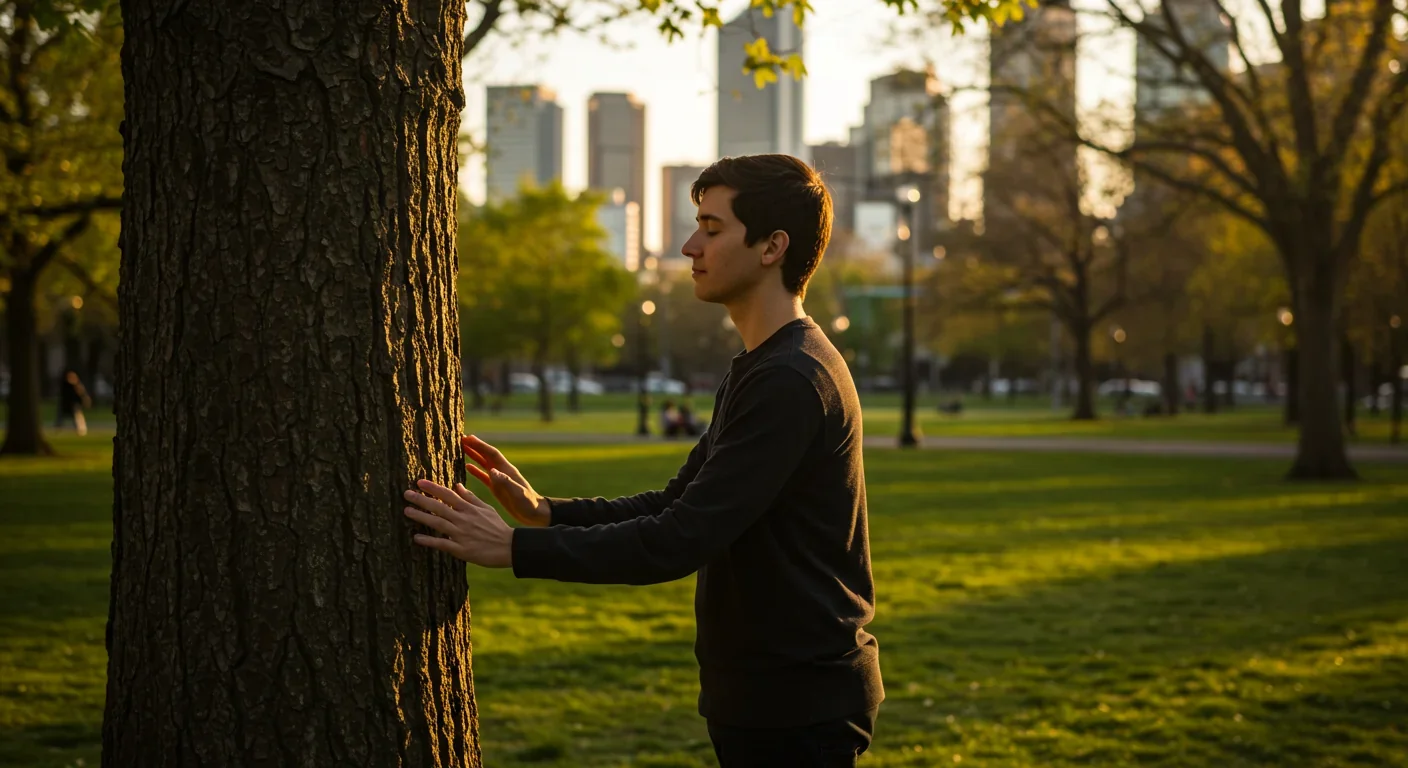
Nature-Based Therapy offers a third path that's gaining traction. Also called ecotherapy or green therapy, this approach incorporates direct nature contact into treatment. The evidence base is robust: interactions with nature lower stress, reduce ruminations, and lessen anxiety.
Studies show that nature engagement fosters creativity, improves cognitive function, restores attention fatigue, and can influence pro-social and pro-environmental behaviors. For people experiencing climate anxiety, spending structured time in the natural world they're worried about can paradoxically reduce distress while strengthening environmental commitment.

Forest therapy programs, which involve guided immersive experiences in woodland settings, have demonstrated particular promise. A 2024 study of veterans found that structured forest therapy enhanced mental health outcomes and fostered ecological awareness simultaneously - addressing both the symptom and strengthening the relationship with nature that often underlies climate concern.
Here's where therapy for climate anxiety diverges most dramatically from traditional anxiety treatment: isolation often makes climate anxiety worse, while collective action can alleviate it.
Research consistently shows that climate change awareness can serve as a resilience catalyst when coupled with community engagement and social support. The same factor - awareness - that increases risk can also become a protective resource depending on context.
Mental health professionals are increasingly recommending local environmental volunteering and community organizing as part of treatment. This isn't just distraction therapy. It addresses the core psychological wound of climate anxiety: helplessness.
When clients join local environmental organizations, participate in restoration projects, or engage in climate activism, they shift from passive worry to active agency. That psychological pivot - from victim to participant - can be transformative.
Studies of climate activists show that while they experience climate distress, they also report higher purpose, stronger community bonds, and greater life satisfaction than equally concerned peers who don't act on their values. The research suggests that moderate climate anxiety paired with meaningful action may actually be psychologically healthier than either apathy or overwhelming despair.
Therapists working with climate-anxious clients consistently recommend several evidence-based strategies that don't require professional intervention:
Limit News Consumption Mindfully. Too much negative climate news can worsen eco-anxiety. Setting limits on news consumption while being mindful of its emotional impact helps manage worry while staying informed. This doesn't mean ignorance - it means intentional engagement rather than doom-scrolling.
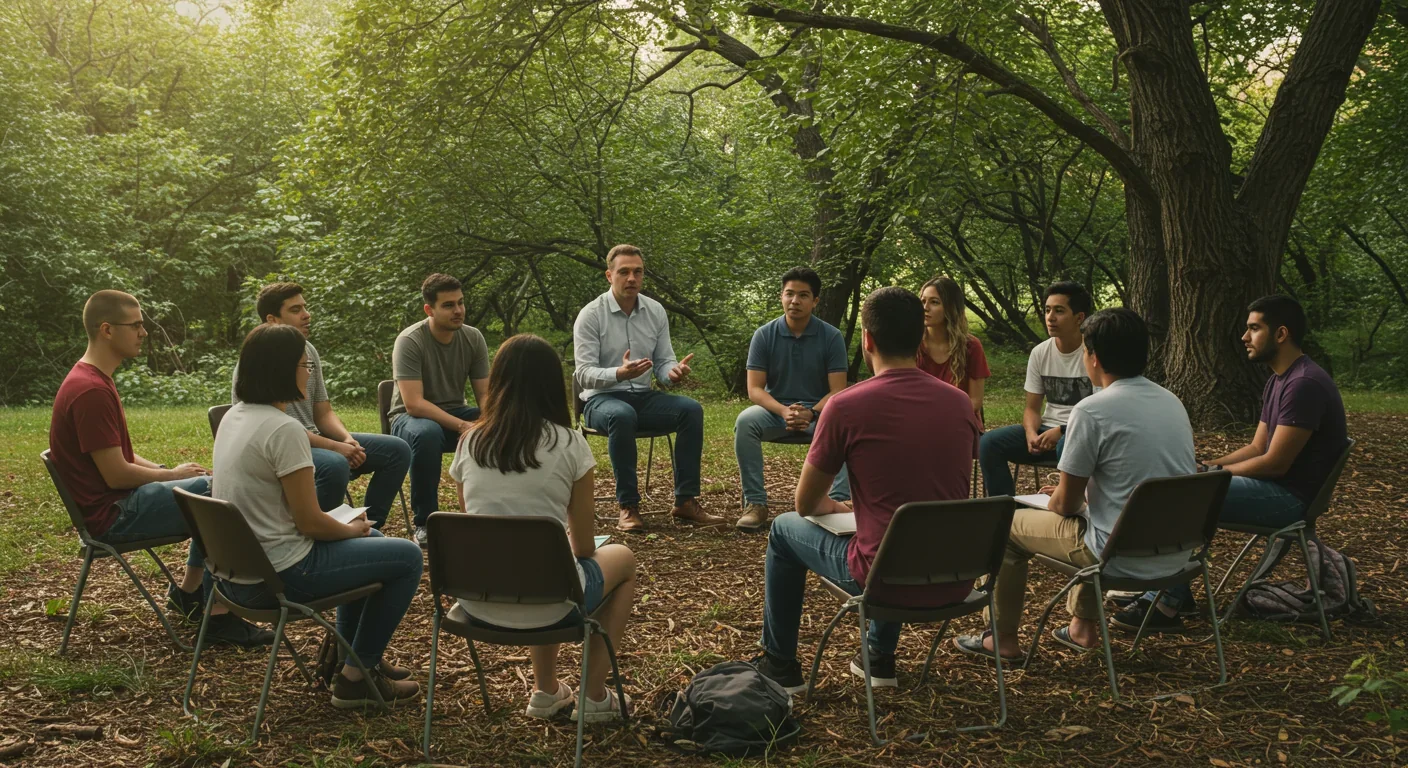
Engage in Local Action. Find one concrete environmental action you can take regularly. Whether it's a community garden, beach cleanup, or local climate advocacy group, research shows that taking action builds resilience and shifts the internal narrative from helpless to empowered.
Spend Time in Nature. Regular nature contact isn't just pleasant - it's therapeutic. Even 20 minutes in a park can reduce stress and improve mood. For those with access, longer immersive experiences in natural settings provide even stronger benefits.
Practice Psychological Flexibility. Work on holding your climate concerns alongside other aspects of life. You can worry about the planet and also enjoy dinner with friends. You can feel grief about species loss and also experience joy in your daily life. These aren't contradictions - they're the complex reality of being an aware human in a troubled world.
Connect with Others. Climate anxiety thrives in isolation. Finding communities of like-minded people - whether in therapy groups, environmental organizations, or online communities - provides both emotional support and practical pathways for action.
Distinguish Between Your Circle of Concern and Circle of Control. Stephen Covey's framework is particularly relevant for climate anxiety. You can't control global emissions, but you can control your household's energy use. You can't stop deforestation alone, but you can support reforestation efforts. Focus energy on what's within your sphere of influence.
Mental health training programs are beginning to integrate climate psychology into their curricula. Organizations like the Climate Psychology Alliance now offer workshops and certification programs for therapists seeking to specialize in climate-related distress.
This professionalization matters because climate anxiety requires nuance. Unlike treating phobias where the goal is often to demonstrate that the fear is disproportionate to actual danger, climate anxiety is rooted in a genuine threat. The therapeutic goal isn't to convince clients they're wrong to worry - it's to help them metabolize their concern into something livable.
Some therapists are also exploring concepts like "solastalgia" - a term coined by philosopher Glenn Albrecht to describe the distress caused by unwanted environmental change in one's home territory. Indigenous communities particularly experience this as they witness ancestral lands transformed by climate impacts.
Addressing solastalgia requires different therapeutic approaches than generic anxiety, incorporating elements of grief therapy, cultural trauma work, and place-based healing. It acknowledges that what's being lost isn't abstract - it's the specific creek you played in as a child, the bird species that no longer visits your region, the seasonal rhythms that no longer hold.
Most climate anxiety exists on a spectrum from healthy concern to debilitating distress. Mental health professionals emphasize that feeling worried about climate change is a rational response to a real threat. It only becomes problematic when it significantly impairs functioning.
Red flags include: inability to engage in normal activities, persistent intrusive thoughts that prevent sleep or concentration, physical symptoms like panic attacks triggered by climate news, and withdrawal from all climate information (avoidance).
If climate anxiety reaches these levels, professional help becomes essential. A 2023 study found that self-efficacy and emotional stability play crucial roles in moderating the relationship between climate awareness and psychological distress. Therapy can help build these protective factors.
Here's the complicated truth about climate anxiety: we probably need some of it. Complete indifference to climate change hasn't served humanity well. The question isn't whether to feel concern - it's how to channel that concern productively.
Research on climate activists reveals that many maintain what might be called "functional climate distress." They feel the urgency, they understand the stakes, but they've found ways to act on their values without being consumed by despair. That balance - staying engaged without being paralyzed - is what therapy for climate anxiety aims to achieve.
Mental health professionals working in this space often describe their goal not as eliminating climate anxiety but as transforming it. Raw anxiety becomes informed concern. Helpless despair becomes purposeful action. Isolating fear becomes community solidarity.
As climate impacts intensify, mental health systems are preparing for increased demand. A 2024 survey found that 94 percent of Gen Z youth report experiencing regular mental health challenges, with climate anxiety frequently cited as a contributing factor.
Healthcare systems are responding. Some health insurance plans now cover nature therapy prescriptions. Mental health apps are incorporating climate anxiety modules. Graduate programs in psychology are adding climate change modules to their standard curricula.
But the ultimate treatment for climate anxiety isn't just individual therapy - it's collective action to address the underlying crisis. As one therapist put it: "I can help my clients manage their anxiety about climate change, but the most therapeutic thing would be for society to actually respond to the threat."
Maya, the 19-year-old who couldn't sleep after seeing wildfire images, eventually found her way to a therapist trained in ACT. Together, they worked on accepting her climate grief while identifying her core environmental values. Six months later, Maya joined a campus climate action group and started studying environmental policy.
She still feels anxious sometimes when she sees climate news. The difference is that the anxiety no longer paralyzes her. It motivates her. She's learned to hold her concern for the planet alongside her capacity for joy, her plans for the future, and her belief that action matters.
That transformation - from panic to purpose - is what effective therapy for climate anxiety can achieve. It doesn't erase the threat. It doesn't pretend everything will be fine. But it helps people find a way to live in this moment of planetary crisis with both eyes open, neither frozen by fear nor dulled by denial.
The therapists working on the front lines of climate anxiety understand something crucial: this generation's fear for the planet isn't a disorder to be cured. It's an appropriate response to be channeled. The goal isn't to feel less - it's to act more effectively despite the feelings.
In a warming world, perhaps that's the most important skill any of us can learn.

Project Orion was a real 1960s program to reach other stars by detonating 800 nuclear bombs behind a spacecraft. The physics worked and the engineering was feasible, but the 1963 nuclear test ban treaty killed it. It remains the most credible interstellar spacecraft ever designed.
The locus coeruleus, a tiny brainstem structure, degenerates decades before Alzheimer's symptoms appear. Its loss cripples the brain's inflammation control, waste clearance, and sleep regulation. New imaging tools and noradrenergic therapies offer hope for early detection and prevention.
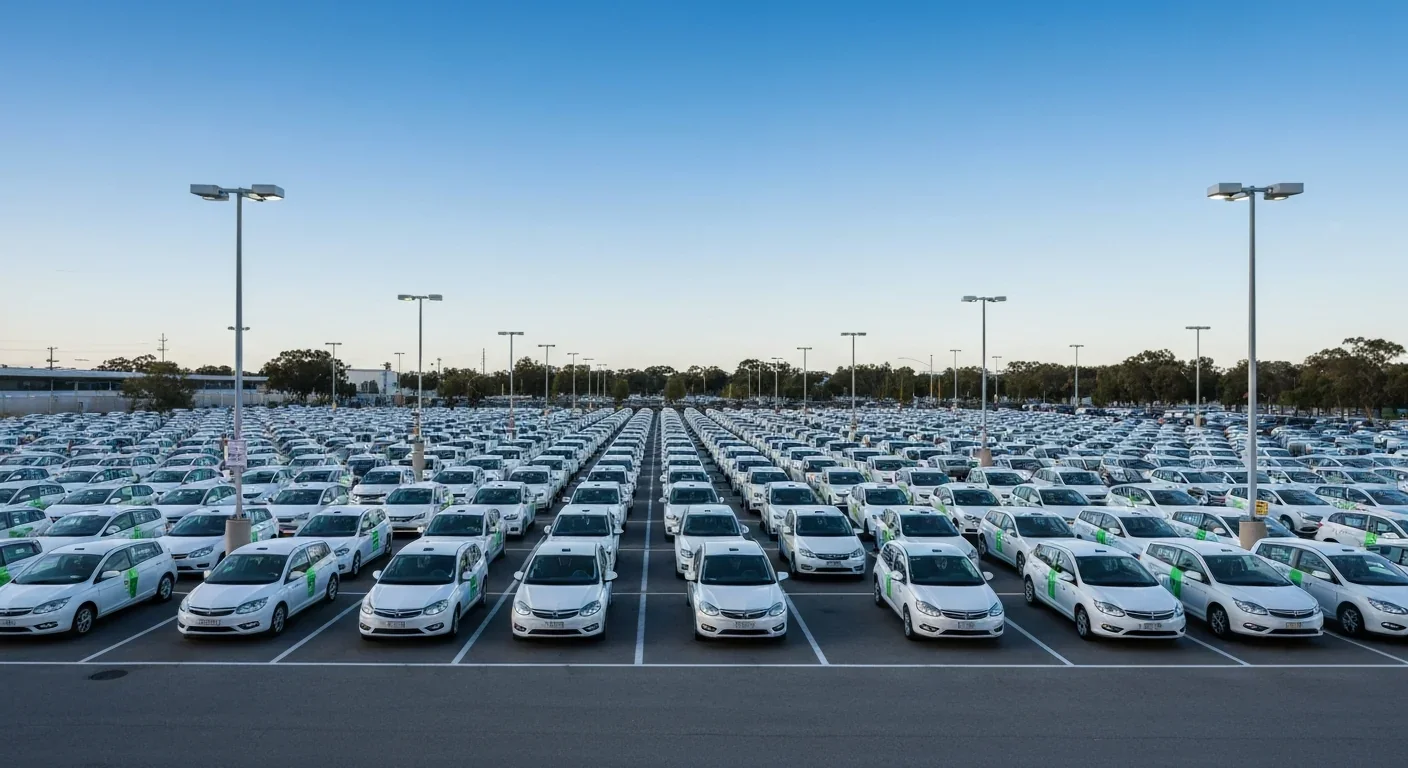
Research shows the sharing economy often increases total resource consumption through the Jevons paradox and rebound effects. Ride-sharing adds billions of vehicle miles, co-working spaces use more energy per worker, and diffused responsibility erodes conservation behavior. Breaking the paradox requires congestion pricing, accountability design, and matching sharing models to appropriate resource types.

Psychological reactance theory explains why banning or restricting things makes people want them more. From Prohibition to the Streisand effect to scarcity marketing, research shows that threatening people's freedom reliably backfires, and autonomy-supportive communication is far more effective.
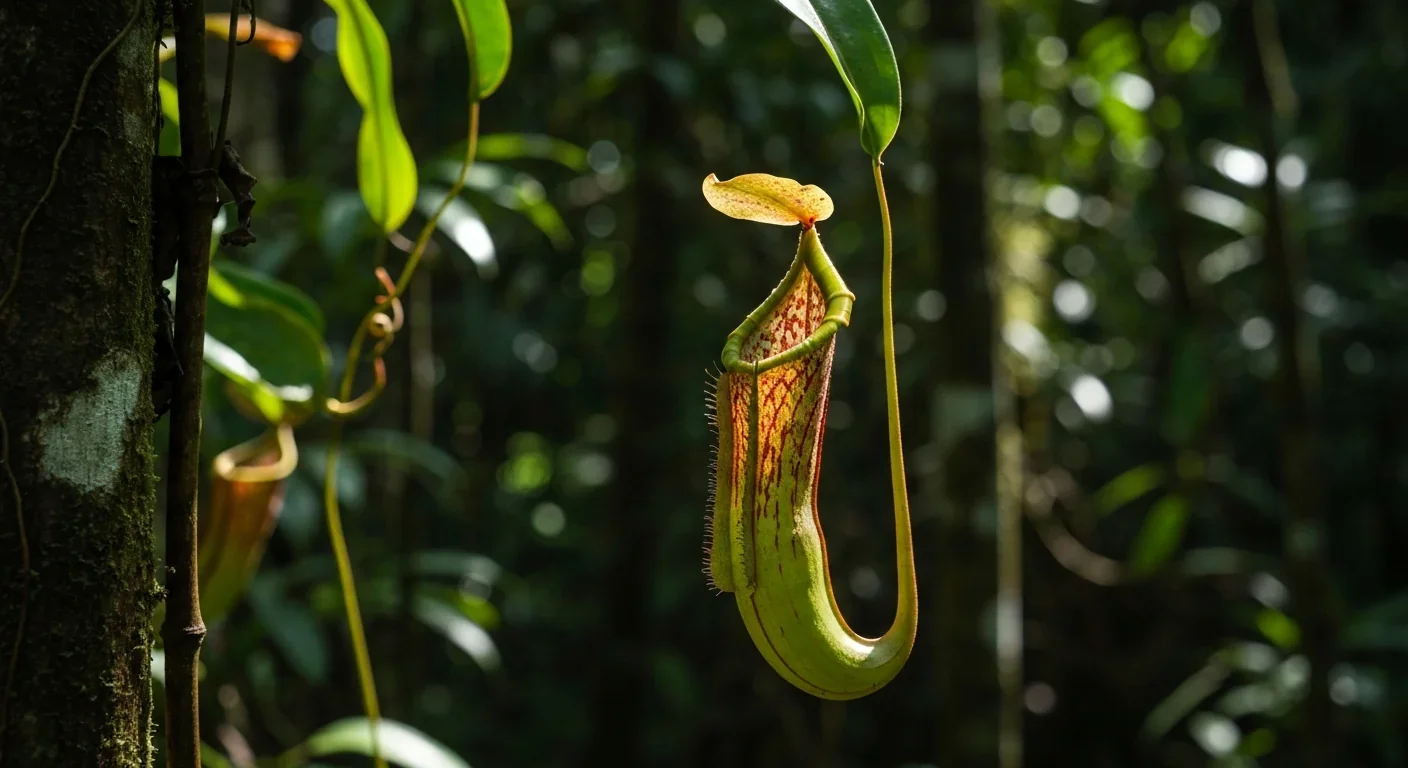
A carnivorous pitcher plant in Borneo evolved to house bats instead of trapping insects, gaining up to 95% of its nitrogen from bat guano. The plant even built an ultrasonic reflector to help bats find it, revealing that carnivory in plants is a flexible spectrum.

The quantified self movement began as a hacker-ethos pursuit of personal insight, but corporate wearables now funnel biometric data to employers, insurers, and data brokers. With 81% of Americans wrongly believing health apps are HIPAA-protected, a regulatory void enables health data to be sold for pennies while generating anxiety instead of empowerment.

CXL memory pooling lets servers dynamically share DRAM over a cache-coherent interconnect, eliminating the 40% stranded memory waste in data centers. With commercial hardware now shipping and Azure deploying CXL cloud instances, this technology promises to cut memory costs by 50% while enabling composable infrastructure.

Loading featured articles...