Alzheimer's Starts in a Spot You've Never Heard Of

Alzheimer's Starts in a Spot You've Never Heard Of

Your 'Motor Brain' Actually Controls Emotions

The Bacterial Sugar Behind Crohn's Disease Flares

How Gut Bacterium Bt Unlocks Fiber's Hidden Nutrition

Metformin Anti-Aging: How a Diabetes Drug May Slow Aging

Precision Vagus Nerve Stimulation: Organ-Targeted
TL;DR: Trees release airborne compounds called phytoncides that measurably reduce stress hormones, inflammation, and boost immune function. Just 15 minutes in the forest triggers biochemical changes that last for days.
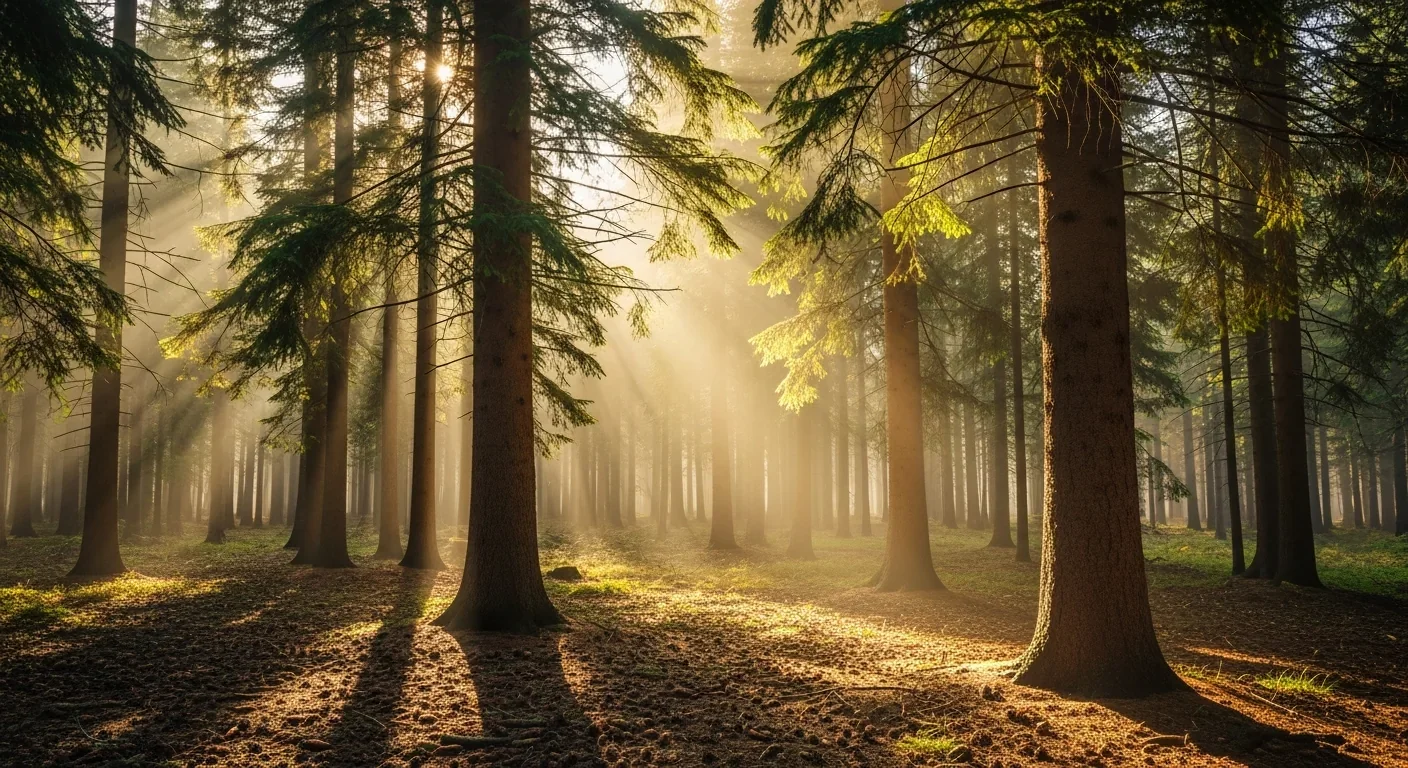
By 2030, forest bathing could be as routine as daily vitamins. Scientists are discovering that spending time among trees isn't just relaxing because you've escaped the office - it's because you're literally breathing medicine. The aromatic compounds wafting from pine needles and cedar bark enter your lungs, cross into your bloodstream, and flip biological switches that dampen stress hormones, cool inflammation, and strengthen your immune defenses. Welcome to the molecular revolution happening in your nearest woodland.
In the 1980s, Japanese researchers noticed something peculiar: people who walked through forests reported feeling better, and their blood told the same story. The culprits were phytoncides - airborne essential oils that trees release as chemical defenses against insects and bacteria. Conifers like pine, cypress, and cedar pump out especially high concentrations, creating invisible clouds of α-pinene, β-pinene, limonene, and other volatile organic compounds.
When you inhale these molecules during a forest walk, roughly 60% get absorbed through your lungs and enter your circulation within minutes. Once inside, they don't just sit idle. α-Pinene, one of the most studied phytoncides, acts on multiple biological systems simultaneously. It reduces inflammation by modulating prostaglandin pathways, enhances memory by inhibiting acetylcholinesterase, and triggers calming effects by binding to the same brain receptors targeted by anti-anxiety medications.
You're not just enjoying nature - you're absorbing a complex pharmaceutical cocktail that evolution spent millions of years refining.
The implications are staggering. Phytoncides represent a natural therapeutic intervention that works through multiple molecular pathways simultaneously, offering benefits that span immune function, stress reduction, and cognitive enhancement.
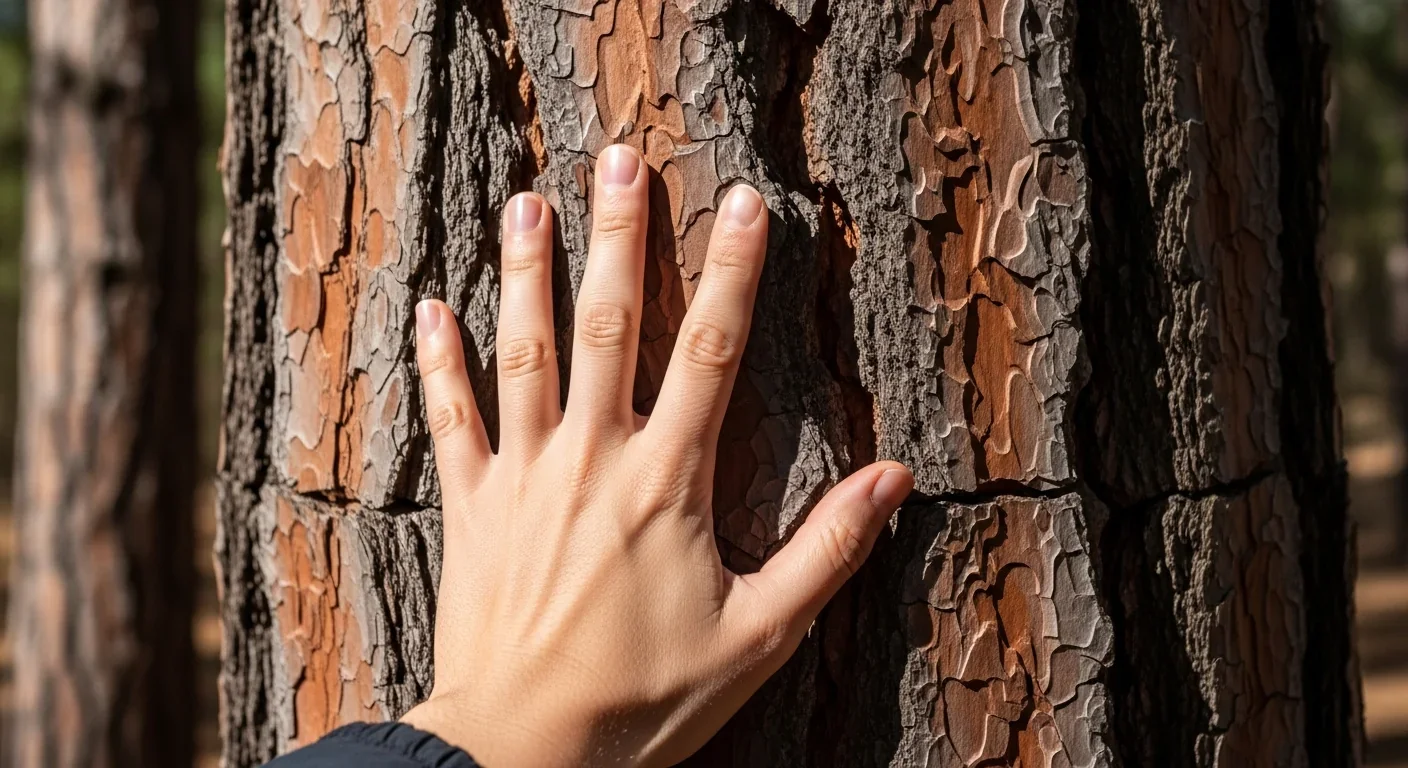
Forest bathing, or shinrin-yoku, emerged as a formal health practice in 1982 when Japan's Ministry of Agriculture, Forestry, and Fisheries promoted it to combat rising stress levels in urban populations. The practice is simple: walk slowly through a forest, breathe deeply, engage all five senses. No fitness goals, no destination. Just connecting with nature through sight, hearing, taste, smell, and touch.
Today, shinrin-yoku has become a clinical therapy that doctors can prescribe in Japan. Researchers worldwide have followed suit, measuring exactly what happens when people trade concrete for canopy.
The findings consistently show measurable physiological shifts. Studies published in the International Journal of Environmental Research and Public Health demonstrate that even 15 minutes of woodland walking reduces anxiety and stress markers. Longer sessions - two to six hours - produce more dramatic results, but the crucial point is this: the benefits aren't psychological placebos. They're biochemical realities.
Cortisol is your body's primary stress hormone. When you're stuck in traffic or drowning in emails, your adrenal glands flood your system with it, preparing you for fight-or-flight. Chronically elevated cortisol wreaks havoc - disrupting sleep, weakening immunity, promoting weight gain, and accelerating aging.
Forest bathing hits the brakes. Research by Dr. Qing Li, a leading expert in forest medicine, shows that walking among trees reduces both cortisol and adrenaline levels. The mechanism appears to work through the autonomic nervous system - forest exposure dials down sympathetic activity (the stress accelerator) while ramping up parasympathetic response (the calm restorer).
"Forest bathing is about calming down your nervous system and reducing your heart rate and blood pressure."
- Dr. Gary Evans, Environmental Psychologist
What makes this particularly fascinating is that phytoncides seem to be key mediators. In one ingenious 2009 experiment, Li's team pumped concentrated Japanese cypress essential oils into hotel rooms using diffusers. Guests who slept in those rooms experienced about 40% to 50% of the health benefits seen in actual forest bathing sessions. No trees, no trails - just the airborne compounds.
This suggests you don't need wilderness. You need chemistry.
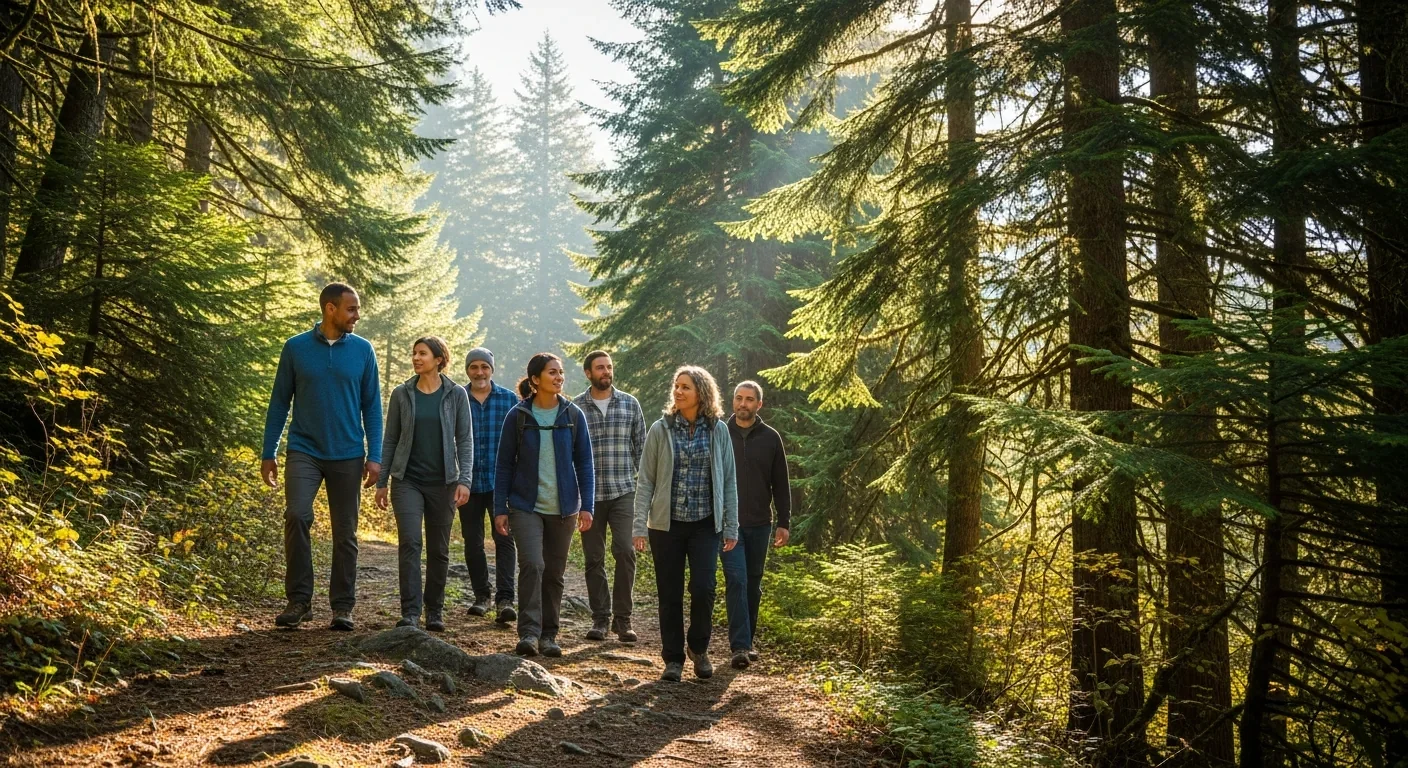
Chronic inflammation is the silent driver behind cardiovascular disease, diabetes, autoimmune disorders, and even depression. Your body uses inflammatory markers like C-reactive protein (CRP), interleukin-6 (IL-6), and tumor necrosis factor-alpha (TNF-α) as alarm signals. In healthy people, these rise during infections and fall when the threat passes. But modern life - poor diet, sedentary behavior, chronic stress - keeps them elevated.
Enter the forest. A randomized crossover trial of 30 men at risk for COPD found that a single day trip to a Japanese cypress forest significantly decreased blood levels of CRP, IL-6, α1-antitrypsin, and fibrinogen compared to a city control visit. The subjects also showed improved blood oxygen saturation and reduced respiratory symptoms.
Another study focusing on older adults with hypertension found that a three-day forest bathing intervention lowered high-sensitivity CRP levels significantly more than an identical urban program. Blood pressure dropped, heart rate variability improved, and participants reported better sleep and mood.
Forest exposure produces measurable reductions in systemic inflammation that persist for days after the experience ends.
The phytoncide-inflammation link operates through multiple pathways. α-Pinene works via prostaglandin E1 signaling, while other terpenes modulate cytokine production. The result? A measurable cooling of systemic inflammation that persists for days after exposure ends.
Perhaps the most remarkable discovery involves natural killer (NK) cells - white blood cells that patrol your body hunting for virus-infected cells and tumors. Higher NK cell activity correlates with better cancer surveillance and infection resistance.
Dr. Li's research revealed that participants who walked in forests for two hours in the morning and two hours in the afternoon experienced increases in anti-cancer proteins and NK cells that lasted at least seven days afterward. One forest weekend could fortify your immune defenses for an entire week.
The mechanism traces back to phytoncides. When you inhale α-pinene, β-pinene, and limonene, they appear to stimulate the production of NK cells and enhance their tumor-killing capacity. Studies using concentrated essential oils confirm that the compounds themselves - not just the walk - drive the immune enhancement.
This raises a tantalizing question: Could regular forest exposure reduce cancer risk or improve outcomes in patients undergoing treatment? Early animal studies suggest yes, but human trials are ongoing.

Not all forests are created equal when it comes to phytoncide therapy. Pine, cypress, and cedar trees produce the highest concentrations of therapeutic volatile compounds. Evergreen conifers dominate because they maintain their needles year-round, continuously emitting terpenes as part of their defense chemistry.
Deciduous forests still provide benefits - any green space beats pavement - but if you're optimizing for phytoncide exposure, head for the pines. Research comparing UK ancient woodland to public gardens found that forest air contained more than 50 distinct volatile organic compounds at higher concentrations than garden environments.
Seasonal timing matters too. Phytoncide concentrations peak in summer months and early morning hours, when trees are most metabolically active. A June dawn walk through a pine forest delivers maximum therapeutic dose.
"Native evergreens are both aromatic and release a high concentration of phytoncides, airborne essential oils that provide a natural immunity boost. The health benefits of this phytoncide 'shower' can last for weeks."
- National Geographic, Forest Bathing Guide
But geography shouldn't be a barrier. Studies show that urban parks improve cardiovascular and emotional markers, even if the effects are smaller than deep wilderness. A 2022 comparison found that forest parks outperformed urban parks for cardiovascular function, but both beat staying indoors.
One of the most practical questions researchers have tackled is this: how long do you need to spend in the woods to get real benefits?
The answer is surprisingly modest. A 2019 study showed that just 15 minutes of walking through trees can measurably relieve stress and anxiety. However, the dose-response curve suggests more is better. Two-hour sessions appear optimal for triggering immune-regulating effects, while four to six hours produce the most dramatic shifts in NK cell activity and inflammation markers.
Dr. Qing Li recommends aiming for a two-hour forest bath once a month, supplemented by shorter 20-30 minute woodland walks weekly. The goal isn't cardiovascular exercise - it's sensory immersion. Walk slowly, breathe deeply, touch bark, listen to birdsong, smell pine resin. The multisensory engagement amplifies the biochemical effects.
For those without easy forest access, essential oil diffusers offer a partial workaround. While they deliver only 40-50% of the benefits, that's still significant. Concentrated α-pinene and β-pinene oils from Japanese cypress, Scots pine, or Douglas fir can transform a bedroom into a phytoncide chamber.
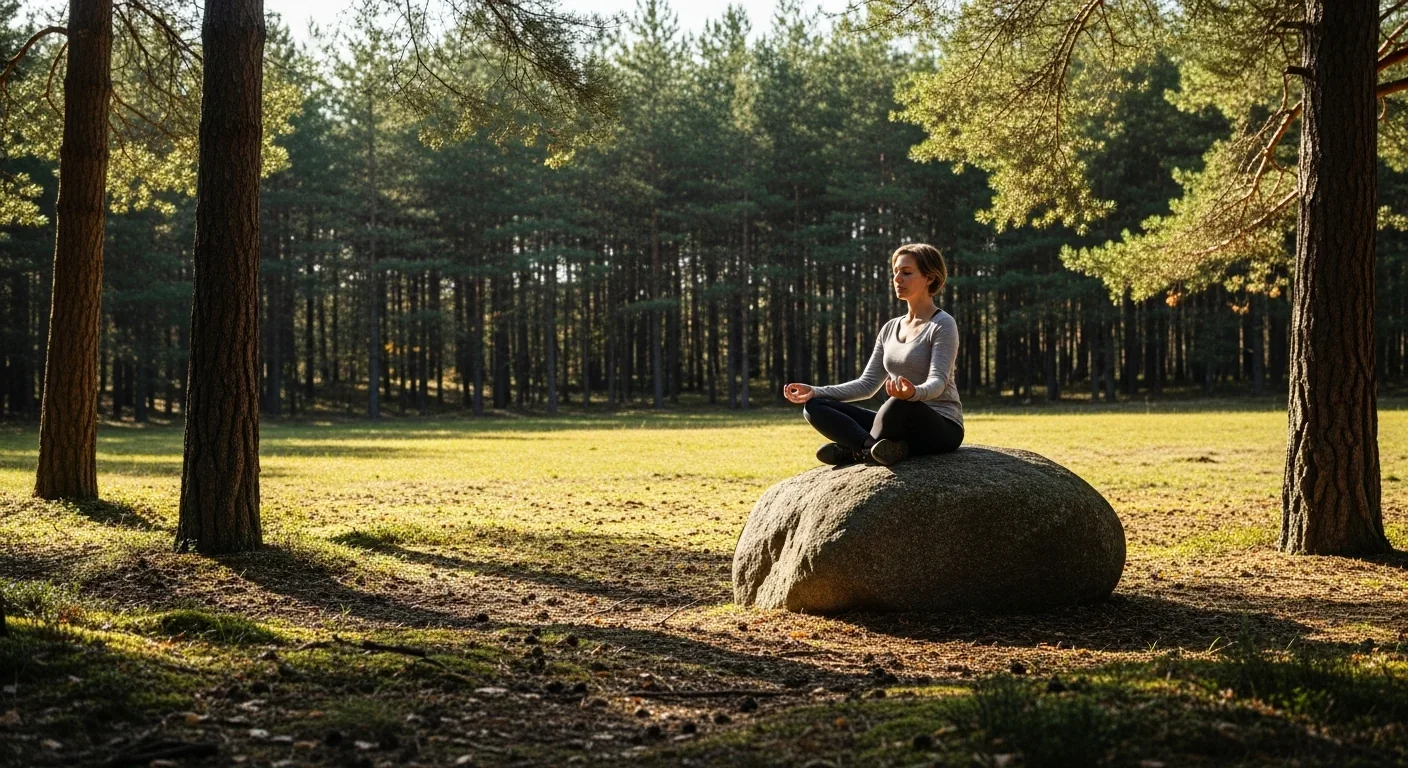
Let's zoom into the molecular choreography that makes forest therapy work. When you inhale α-pinene, the molecule travels through your nasal passages and triggers olfactory receptors. These send signals to your limbic system - the emotional control center of your brain - which interfaces with the hypothalamic-pituitary-adrenal (HPA) axis, the command center for stress responses.
Simultaneously, α-pinene crosses the blood-brain barrier and acts as a positive modulator of GABA-A receptors at the same binding sites targeted by benzodiazepines like Valium. This explains the immediate calming sensation many people report. You're essentially getting a gentle, natural anxiolytic delivered by wind currents.
Meanwhile, in your peripheral tissues, terpenes reduce inflammatory signaling. They decrease nuclear factor kappa B (NF-κB) activation, a master switch for inflammatory gene expression. This downstream cascade lowers production of IL-6, TNF-α, and other pro-inflammatory cytokines that drive chronic disease.
α-Pinene achieves approximately 60% pulmonary uptake in humans, demonstrating efficient systemic delivery following inhalation.
The immune enhancement operates through a different pathway. Phytoncides increase expression of perforin, granzymes, and granulysin - proteins that NK cells use to destroy abnormal cells. They also boost levels of anti-cancer cytokines like interferon-gamma. The result is a more vigilant, aggressive immune surveillance system.
Could phytoncides compete with conventional drugs for managing inflammation and stress? The honest answer is: not directly, but they're complementary.
Anti-inflammatory medications like NSAIDs (ibuprofen, naproxen) work faster and more powerfully for acute conditions. Corticosteroids like prednisone shut down inflammation aggressively. But both come with side effects - stomach ulcers, cardiovascular risks, immune suppression - that limit long-term use.
Forest therapy offers a gentler, broader intervention. The inflammation reduction is modest but sustained, without adverse effects. For people with subclinical inflammation - the kind that slowly damages arteries and joints over decades - regular phytoncide exposure could serve as preventive medicine.
Similarly, anti-anxiety medications like SSRIs and benzodiazepines have their place, but they alter brain chemistry systemically and often require weeks to work or cause dependency. Forest bathing provides acute stress relief through multiple mechanisms - olfactory signaling, GABA modulation, cortisol reduction - with zero addiction risk.
The smart approach isn't either-or. It's integrating evidence-based natural interventions with conventional medicine when needed.
While Japan pioneered the formalization of shinrin-yoku, other cultures have long recognized nature's healing power. In Germany, "klimatherapie" (climate therapy) prescribes forest walks as treatment for respiratory and cardiovascular conditions. South Korean research programs have demonstrated significant stress reductions in participants undergoing weekly forest therapy.
The practice is spreading worldwide. In the United States, the Association of Nature and Forest Therapy has trained hundreds of guides who lead sessions in places like New York's Adirondack Park and California's redwood groves. New Zealand, Kenya, Costa Rica, and Hawaii now offer structured forest bathing experiences, some targeting tourists and others serving local mental health programs.
Interestingly, the UK's first peer-reviewed forest bathing study found that 57% of participants showed increased heart rate variability - an indicator of improved autonomic balance and stress resilience. The research is validating what indigenous and traditional societies have known intuitively: forests heal.
"It is simply being in nature, connecting with it through our sense of sight, hearing, taste, smell and touch."
- Dr. Qing Li, Forest Medicine Expert
But access remains unequal. Urban populations, especially in underserved neighborhoods, often lack nearby green space. That's where public health policy could intervene - protecting urban forests, creating green corridors, planting more conifers in city parks. If phytoncides are medicine, green space becomes healthcare infrastructure.
Looking ahead, several exciting developments are on the horizon. Some healthcare systems are beginning to integrate "green prescriptions" where doctors recommend specific amounts of nature exposure as part of treatment plans for anxiety, hypertension, and chronic inflammation. Clinical trials are underway to test whether regular forest bathing can slow disease progression in conditions like COPD and heart disease.
On the pharmaceutical frontier, researchers are isolating and synthesizing phytoncides to create targeted therapies. α-Pinene is already being studied as a biosynthetic precursor for cannabinoid receptor ligands that could treat pain and inflammation. Concentrated terpene formulations might one day be prescribed alongside traditional medications.
Technology is also entering the picture. Wearable sensors can now track heart rate variability, cortisol proxies through sweat, and inflammatory markers via continuous glucose monitors. Imagine an app that tells you exactly when your body needs a forest fix, based on real-time biomarkers.
But the core insight remains elegantly simple: evolution shaped us in forests. Our physiology expects certain chemical signals from the environment. When we spend all our time indoors or in cities, we're essentially running on empty. Phytoncides are the missing nutrient.
You don't need a research grant or a medical degree to benefit from phytoncides. Here's how to get started:
Find your forest. Look for woods with high conifer density - pines, firs, cedars, spruces. National forests, state parks, and even urban greenways work. Use apps like AllTrails to locate nearby options.
Schedule regular sessions. Aim for one two-hour forest bath per month, supplemented by weekly 20-30 minute walks. Early morning in late spring through summer offers peak phytoncide levels.
Engage all senses. Walk slowly. Touch tree bark. Smell the air. Listen to rustling leaves and birdsong. Mindful breathing amplifies olfactory exposure.
Consider essential oils. If forests are inaccessible, diffuse α-pinene-rich oils from Scots pine, Japanese cypress, or Douglas fir in your bedroom or office. While less effective than actual forests, they still deliver measurable benefits.
Track your response. Notice changes in sleep quality, mood, energy, and stress levels. Some people are more responsive to phytoncides than others; genetics likely plays a role.
Advocate for green space. Support urban forestry initiatives, park funding, and policies that protect natural areas. If phytoncides are public health assets, access to them should be equitable.
The research is clear: trees aren't just scenery. They're pharmacies. Every breath you take in a forest is a dose of molecules refined by evolution to calm your nervous system, cool your inflammation, and strengthen your immune defenses. Modern medicine is only beginning to understand what our ancestors knew instinctively - that healing grows on branches and drifts on the wind. The prescription is simple: get outside, breathe deeply, and let the forest work its molecular magic.

Project Orion was a real 1960s program to reach other stars by detonating 800 nuclear bombs behind a spacecraft. The physics worked and the engineering was feasible, but the 1963 nuclear test ban treaty killed it. It remains the most credible interstellar spacecraft ever designed.
The locus coeruleus, a tiny brainstem structure, degenerates decades before Alzheimer's symptoms appear. Its loss cripples the brain's inflammation control, waste clearance, and sleep regulation. New imaging tools and noradrenergic therapies offer hope for early detection and prevention.

Research shows the sharing economy often increases total resource consumption through the Jevons paradox and rebound effects. Ride-sharing adds billions of vehicle miles, co-working spaces use more energy per worker, and diffused responsibility erodes conservation behavior. Breaking the paradox requires congestion pricing, accountability design, and matching sharing models to appropriate resource types.

Psychological reactance theory explains why banning or restricting things makes people want them more. From Prohibition to the Streisand effect to scarcity marketing, research shows that threatening people's freedom reliably backfires, and autonomy-supportive communication is far more effective.

A carnivorous pitcher plant in Borneo evolved to house bats instead of trapping insects, gaining up to 95% of its nitrogen from bat guano. The plant even built an ultrasonic reflector to help bats find it, revealing that carnivory in plants is a flexible spectrum.

The quantified self movement began as a hacker-ethos pursuit of personal insight, but corporate wearables now funnel biometric data to employers, insurers, and data brokers. With 81% of Americans wrongly believing health apps are HIPAA-protected, a regulatory void enables health data to be sold for pennies while generating anxiety instead of empowerment.

CXL memory pooling lets servers dynamically share DRAM over a cache-coherent interconnect, eliminating the 40% stranded memory waste in data centers. With commercial hardware now shipping and Azure deploying CXL cloud instances, this technology promises to cut memory costs by 50% while enabling composable infrastructure.

Loading featured articles...