Alzheimer's Starts in a Spot You've Never Heard Of
Alzheimer's Starts in a Spot You've Never Heard Of
Your 'Motor Brain' Actually Controls Emotions
The Bacterial Sugar Behind Crohn's Disease Flares
How Gut Bacterium Bt Unlocks Fiber's Hidden Nutrition
Metformin Anti-Aging: How a Diabetes Drug May Slow Aging
Precision Vagus Nerve Stimulation: Organ-Targeted
TL;DR: Triclosan, found in many antibacterial products, is reactivated by gut bacteria and triggers inflammation, contributes to antibiotic resistance, and disrupts hormonal systems - but plain soap and water work just as effectively without the harm.
Every time you wash your hands with antibacterial soap, you might be doing more harm than good. A 2022 study published in Nature Communications revealed a disturbing mechanism: triclosan, the active ingredient in many antibacterial products, gets reactivated inside your intestines by your own gut bacteria, triggering inflammation and potentially contributing to inflammatory bowel disease.
This isn't just about one chemical. It's about a fundamental misunderstanding of how we interact with the microbial world living inside us. For decades, we've been sold on the idea that killing more bacteria equals better health. Turns out, that logic breaks down when you realize your gut contains trillions of beneficial bacteria that keep you alive.
Triclosan infiltrated American life so completely that by the time the CDC measured it in 2,517 people, they found it in 75% of urine samples. That's three out of every four Americans walking around with this antimicrobial agent circulating in their bodies.
The FDA finally banned triclosan from hand soaps in 2016, but here's the catch: it's still legal in toothpaste, hand sanitizers, cosmetics, athletic wear, cutting boards, toys, and even mattresses and furniture. Roughly 80% of triclosan usage remains concentrated in personal care products, which means most people still encounter it daily without even checking labels.
Your body absorbs triclosan rapidly through skin and mucous membranes. Within one to four hours after use, it reaches your bloodstream. From there, it makes its way to your gut, where the real damage begins.
Researchers at UNC-Chapel Hill discovered the molecular trigger that transforms triclosan from an external antibacterial agent into an internal threat. The culprit? An enzyme called beta-glucuronidase, produced by certain gut bacteria.
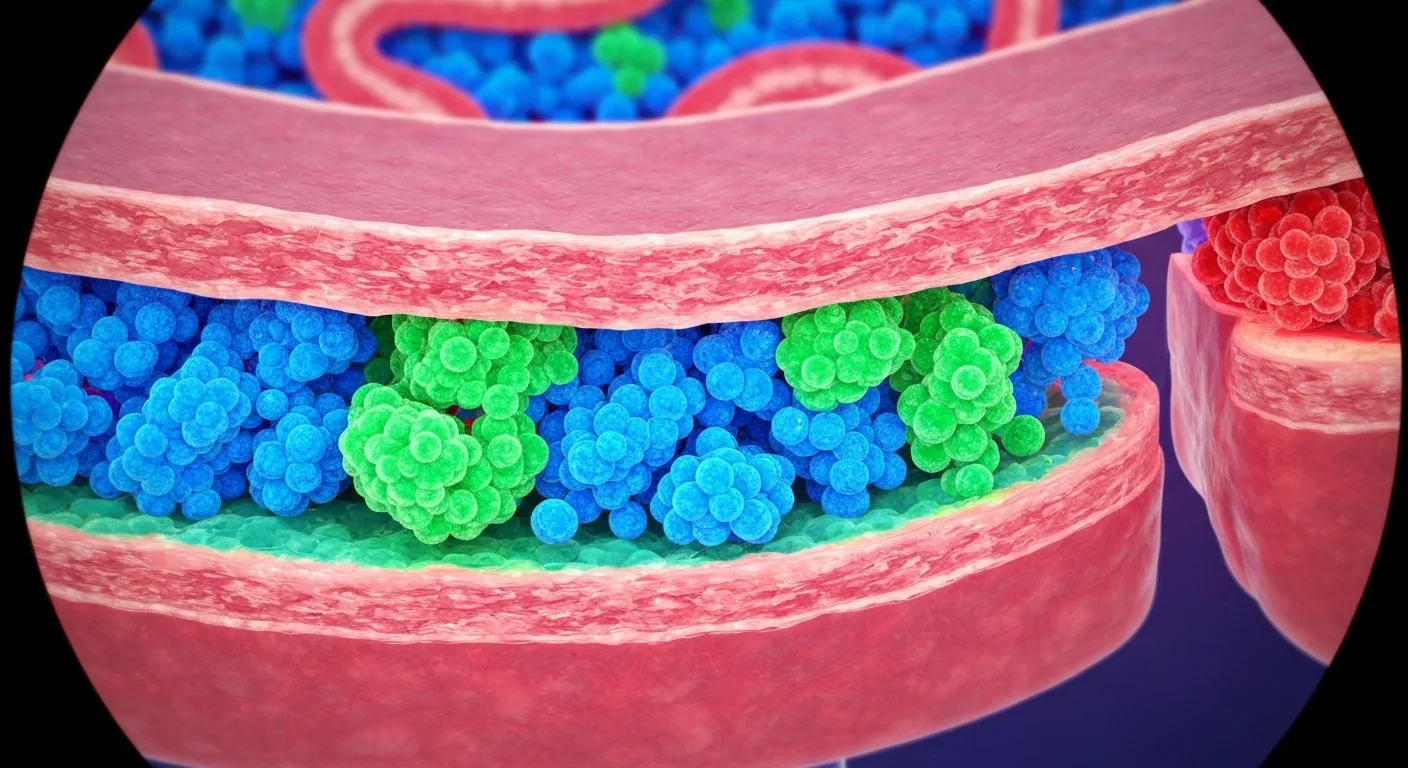
When triclosan reaches your intestines, specific gut bacteria strip off protective tags your body added, reactivating the chemical right where your microbiome lives - triggering inflammation and potential disease.
Here's the sequence: When triclosan enters your intestines, your body tries to neutralize it through a process called glucuronidation, essentially tagging it for removal. But specific gut bacteria possess beta-glucuronidase enzymes that strip off these protective tags, reactivating triclosan right where your microbiome lives.
The reactivated triclosan doesn't discriminate. It attacks beneficial bacteria and harmful ones alike, disrupting the delicate ecosystem that regulates your immune system, produces essential vitamins, and protects against pathogens.
In mouse studies, this reactivation directly caused colitis, an inflammatory condition characterized by severe intestinal inflammation. When researchers administered a beta-glucuronidase inhibitor to block the enzyme, the mice showed no colon damage or colitis symptoms, even with triclosan exposure.
"By identifying the culprit bacteria, new approaches could be developed for the diagnoses, prevention and treatment of inflammatory bowel diseases."
- Matthew Redinbo, UNC-Chapel Hill Professor
The antibiotic resistance crisis just got more personal. Triclosan doesn't just disrupt your microbiome - it trains bacteria to resist clinical antibiotics through a mechanism called cross-resistance.
Scientists at the University of Birmingham and Norwich Research Park made an unexpected discovery: bacteria that mutated to resist quinolone antibiotics simultaneously became more resistant to triclosan. The mutation altered how bacteria package their DNA and activated various self-defense mechanisms, creating a two-for-one resistance package.
"We think that bacteria are tricked into thinking they are always under attack and are then primed to deal with other threats including triclosan," explained Dr. Mark Webber. This means every time you use triclosan-containing products, you might be training the bacteria in your gut and on your skin to survive both antimicrobial agents and medical antibiotics.
The implications ripple beyond individual health. When antibiotic-resistant bacteria develop in millions of human guts simultaneously, they enter wastewater systems, spread to agricultural lands through biosolids, and persist in aquatic environments where triclosan accumulates at environmentally relevant concentrations.
Triclosan's reach extends far beyond intestinal inflammation. It's classified as an endocrine-disrupting chemical, meaning it interferes with your hormonal systems in ways that cascade through your entire body.
Animal studies have shown that exposure to high amounts decreases thyroid hormone levels, potentially affecting metabolism, energy regulation, and brain development. While human studies remain limited, the pattern is concerning enough that researchers continue investigating links between triclosan exposure and thyroid dysfunction.
The allergy connection adds another dimension. A longitudinal study following 347 mothers and their children from pregnancy through age 12 found that children with higher triclosan levels were more likely to develop allergic conditions, particularly eczema and hay fever. Young boys appeared especially vulnerable.
"The research showed a clear connection between this chemical and the allergic conditions we looked at. What that all means is antimicrobial chemical exposure during susceptible periods of life, childhood in this case, might increase the risk of allergic disease."
- Joseph Braun, Professor of Epidemiology, Brown University
The mechanism likely involves microbiome disruption during critical windows of immune system development. Your gut bacteria essentially train your immune system to distinguish between genuine threats and harmless substances. Disrupt that education during childhood, and you may end up with an immune system that overreacts to pollen, food proteins, or your own skin cells.
The FDA's 2016 ban on triclosan in hand soaps marked a turning point, but it left substantial gaps. The agency's final rule affected about 40% of all soaps sold, but explicitly excluded hand sanitizers, body washes, and wipes.
Why the incomplete ban? The FDA cited insufficient data from manufacturers about long-term health effects. After years of requesting safety studies, the agency determined that companies hadn't provided adequate evidence that antibacterial soaps were more effective than regular soap and water - or that they were safe for daily use.
Meanwhile, the EPA maintains oversight of triclosan as a registered pesticide in other product categories. In 2008, EPA conducted a human health risk assessment and found no dietary risks of concern at current exposure levels. But that assessment predates the recent mechanistic studies showing gut-specific toxicity.
Triclosan remains legal in toothpaste, cosmetics, athletic wear, cutting boards, toys, mattresses, and medical devices - despite the 2016 FDA ban on hand soaps.
This regulatory split between FDA and EPA creates confusion for consumers and manufacturers alike. The agencies have pledged to coordinate their approaches, but as of now, triclosan remains legal in toothpaste, cosmetics, textiles, and medical devices.
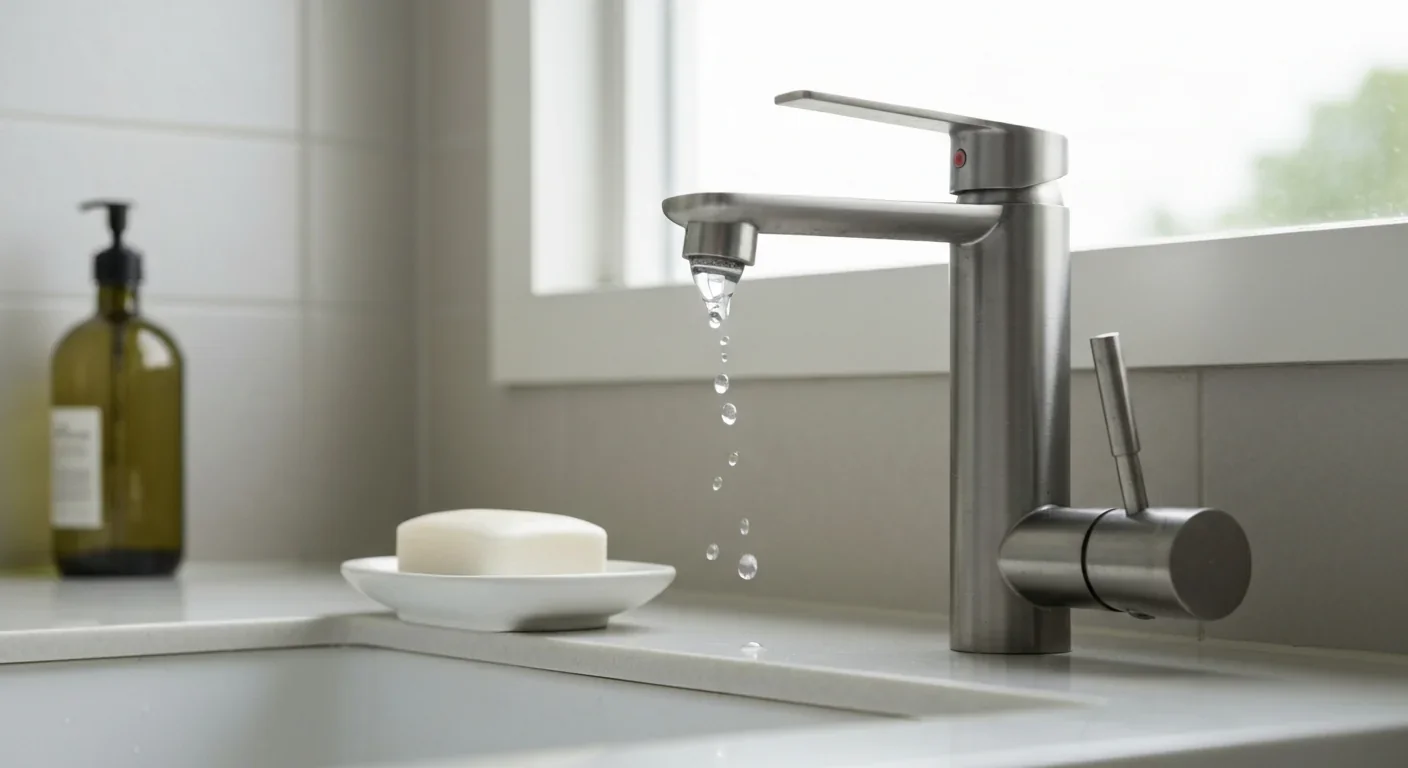
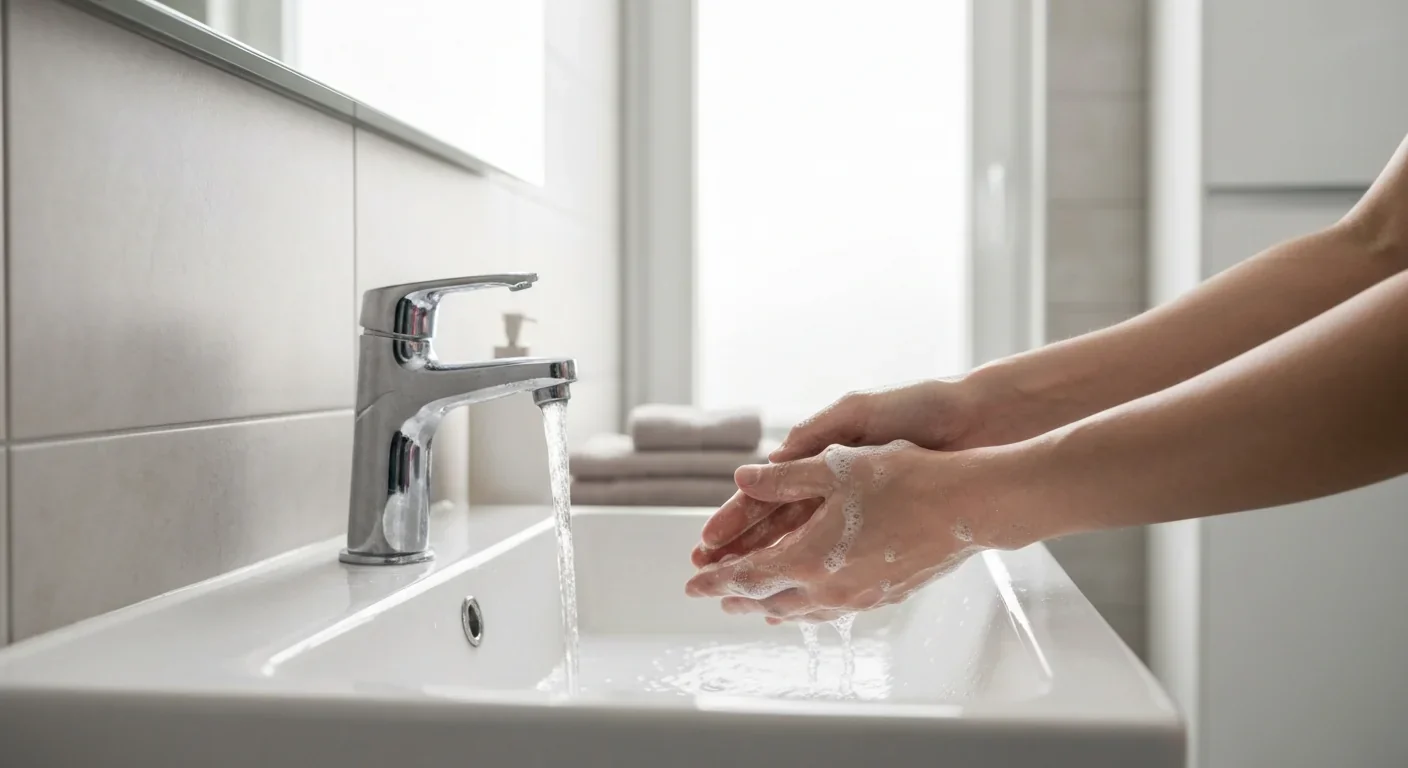
The CDC's recommendation is beautifully simple: use plain soap and water. No fancy antimicrobial agents needed.
Here's why plain soap works so well: soap molecules have a hydrophobic end that binds to oils and a hydrophilic end that binds to water. When you wash your hands, soap lifts dirt, oils, and microbes off your skin, and water rinses them away. You're physically removing germs rather than trying to kill them - and in the process, you're not disrupting your skin's protective bacterial barrier.
For hand sanitizer, choose alcohol-based products (at least 60% alcohol) when soap and water aren't available. Alcohol kills germs through a different mechanism than triclosan - by denaturing proteins and dissolving cell membranes - without the same risks of resistance development or gut disruption.
"Antibacterial soaps with triclosan kill good and bad bacteria alike. It can harm your skin barrier, and yes, your gut may feel it too."
- Dr. Saurabh Sethi, Gastroenterologist (Harvard and AIIMS)
Triclosan isn't always easy to spot on ingredient lists. Sometimes it appears under alternative names or chemical formulas. Look for these terms: triclosan, TCS, Irgasan DP300, Lexol 300, 5-chloro-2-(2,4-dichlorophenoxy)phenol.
Products most likely to contain triclosan include toothpaste marketed as antibacterial or plaque-fighting, athletic clothing and yoga mats with antimicrobial properties, cutting boards and food storage containers labeled antibacterial, toys, bedding, and upholstered furniture treated with antimicrobial agents, and some prescription and over-the-counter topical products.
Many manufacturers have voluntarily phased out triclosan following the FDA ban. Major companies like Unilever announced in 2017 that they would eliminate triclosan and triclocarban from their products, replacing them with natural and nature-inspired antibacterial ingredients.
But "antibacterial" and "antimicrobial" claims on products don't tell you what chemical is doing the work. When in doubt, contact the manufacturer directly or look for products explicitly labeled "triclosan-free."
The triclosan story illuminates a broader shift happening in microbiology and public health. We're moving from a "kill all bacteria" mentality toward understanding the microbiome as an organ system that requires care and maintenance.
Your gut contains roughly 100 trillion bacterial cells - outnumbering your human cells and containing more genetic material than your own genome. These bacteria produce vitamins, regulate immune responses, synthesize neurotransmitters, break down toxins, and prevent colonization by pathogens.
When you disrupt this ecosystem through antimicrobial exposure, the effects cascade. Reduced microbial diversity correlates with increased risk of inflammatory bowel disease, obesity, type 2 diabetes, cardiovascular disease, depression, and anxiety. The gut-brain axis - the bidirectional communication between your intestinal bacteria and your nervous system - means that microbiome disruption can even affect mood and cognition.
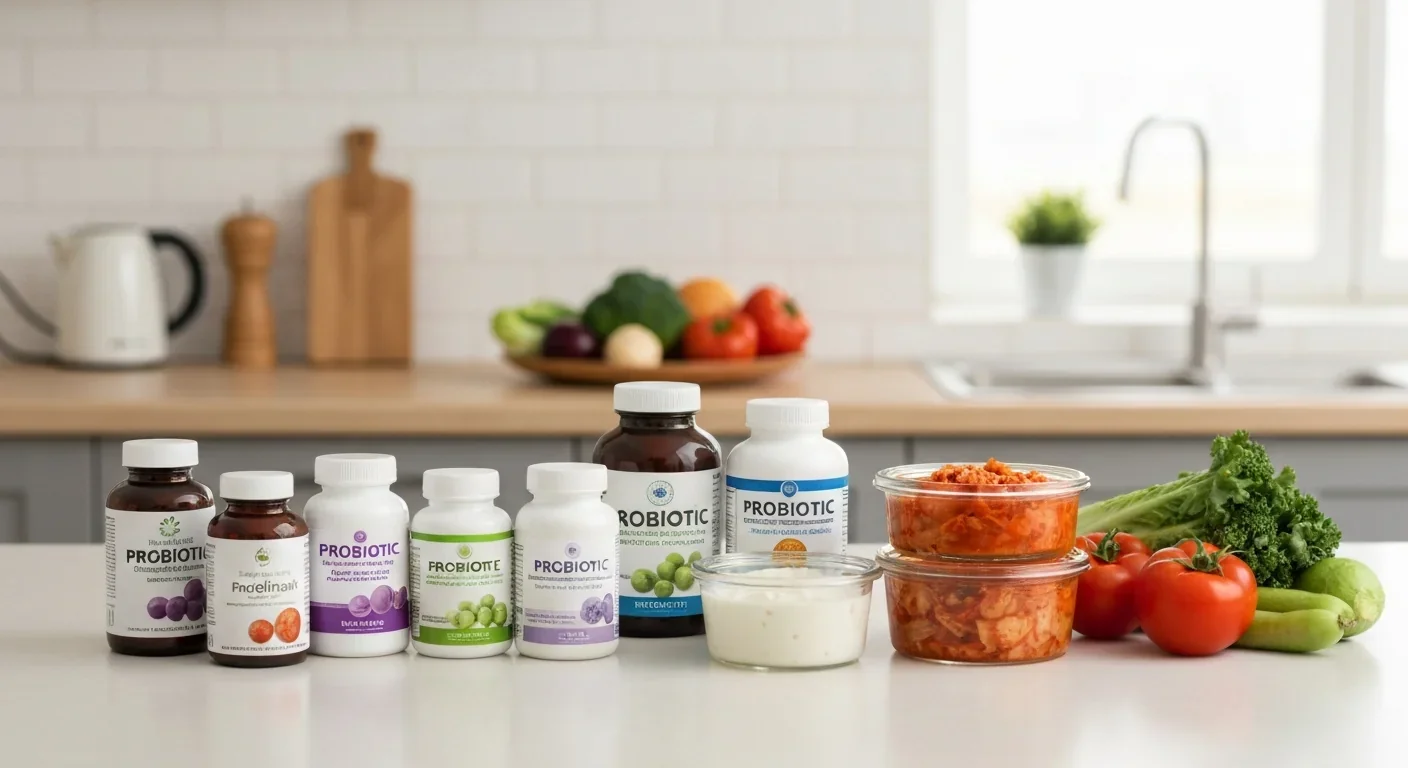
Triclosan isn't the only chemical threatening your microbiome. Artificial sweeteners, emulsifiers in processed foods, certain food dyes, and agricultural pesticides all show potential to alter gut bacterial communities. But triclosan represents a particularly ironic threat: a chemical we deliberately spread on our bodies in the name of health, inadvertently undermining the microscopic ecosystem keeping us alive.
Research into microbiome-targeted therapeutics offers hope for people already affected by triclosan-induced gut damage. The beta-glucuronidase inhibitors that protected mice from colitis in the UNC study could potentially be developed into treatments for inflammatory bowel disease triggered by environmental chemicals.
"The safety of triclosan and related compounds should be reconsidered given their potential for intestinal damage," the study authors concluded.
That reconsideration is already happening at multiple levels. Researchers continue investigating triclosan's health effects, regulators reassess policies, manufacturers reformulate products, and consumers increasingly demand transparency about chemical ingredients.
The transition away from triclosan parallels broader trends in medicine and public health. We're learning to work with our bodies' natural defenses rather than trying to sterilize ourselves. We're recognizing that microbial exposure in childhood helps train robust immune systems. We're understanding that the "hygiene hypothesis" - the idea that reduced microbial exposure contributes to rising allergy and autoimmune disease rates - has substantial evidence behind it.
Making triclosan-free choices doesn't require a complete lifestyle overhaul. Start with these evidence-based swaps:
For hand washing: Plain soap (bar or liquid) and water for 20 seconds removes germs effectively without antimicrobial agents. The CDC confirms this approach is just as effective as antibacterial soap for routine hand hygiene.
For toothpaste: Choose fluoride toothpaste without triclosan. Many brands now explicitly label themselves as triclosan-free. Fluoride remains the gold standard for preventing cavities - no antimicrobial agent required.
For hand sanitizer: Alcohol-based sanitizers (60-95% ethanol or isopropanol) kill germs quickly without contributing to antibiotic resistance or gut disruption.
For household products: Skip antimicrobial cutting boards, utensils, and textiles. Regular cleaning with soap and water or diluted bleach (for sanitizing) works just fine without persistent chemical exposure.
For body care: Read labels on body washes, deodorants, and cosmetics. Many companies now market their products as free from triclosan and other controversial chemicals.
The most powerful action might be the simplest: stop believing that "antibacterial" automatically means "better." Your skin and gut already host beneficial bacteria that protect you. Support them by avoiding unnecessary chemical disruption.
The science around triclosan continues evolving. Researchers are investigating whether triclosan exposure affects the gut-brain axis through mechanisms involving neurotransmitter-producing bacteria. Studies are examining whether early-life triclosan exposure predisposes children to metabolic disorders. Environmental scientists track how triclosan accumulates in aquatic ecosystems and reenters the food chain.
Each study adds nuance to our understanding of how this single chemical ripples through human health and environmental systems. The UNC-Chapel Hill researchers who identified the beta-glucuronidase mechanism noted that their findings could lead to new approaches for "the diagnoses, prevention and treatment of inflammatory bowel diseases."
We're witnessing a paradigm shift from "maximum antimicrobial action" toward "targeted, evidence-based hygiene." The future of infection prevention lies not in broad-spectrum chemicals that indiscriminately kill microbes, but in understanding which bacteria to preserve, which to remove, and how to maintain the delicate balance that keeps us healthy.
The antibacterial soap in your bathroom seemed like such a good idea. Kill germs, stay healthy, protect your family. But your gut tells a different story - one where indiscriminate killing creates more problems than it solves, where the chemicals meant to protect you instead train superbugs and trigger inflammation, where the microscopic allies living in your intestines need protection from the very products marketed as protective.
That bottle of plain soap suddenly looks a lot more sophisticated.

Project Orion was a real 1960s program to reach other stars by detonating 800 nuclear bombs behind a spacecraft. The physics worked and the engineering was feasible, but the 1963 nuclear test ban treaty killed it. It remains the most credible interstellar spacecraft ever designed.
The locus coeruleus, a tiny brainstem structure, degenerates decades before Alzheimer's symptoms appear. Its loss cripples the brain's inflammation control, waste clearance, and sleep regulation. New imaging tools and noradrenergic therapies offer hope for early detection and prevention.

Research shows the sharing economy often increases total resource consumption through the Jevons paradox and rebound effects. Ride-sharing adds billions of vehicle miles, co-working spaces use more energy per worker, and diffused responsibility erodes conservation behavior. Breaking the paradox requires congestion pricing, accountability design, and matching sharing models to appropriate resource types.
Psychological reactance theory explains why banning or restricting things makes people want them more. From Prohibition to the Streisand effect to scarcity marketing, research shows that threatening people's freedom reliably backfires, and autonomy-supportive communication is far more effective.
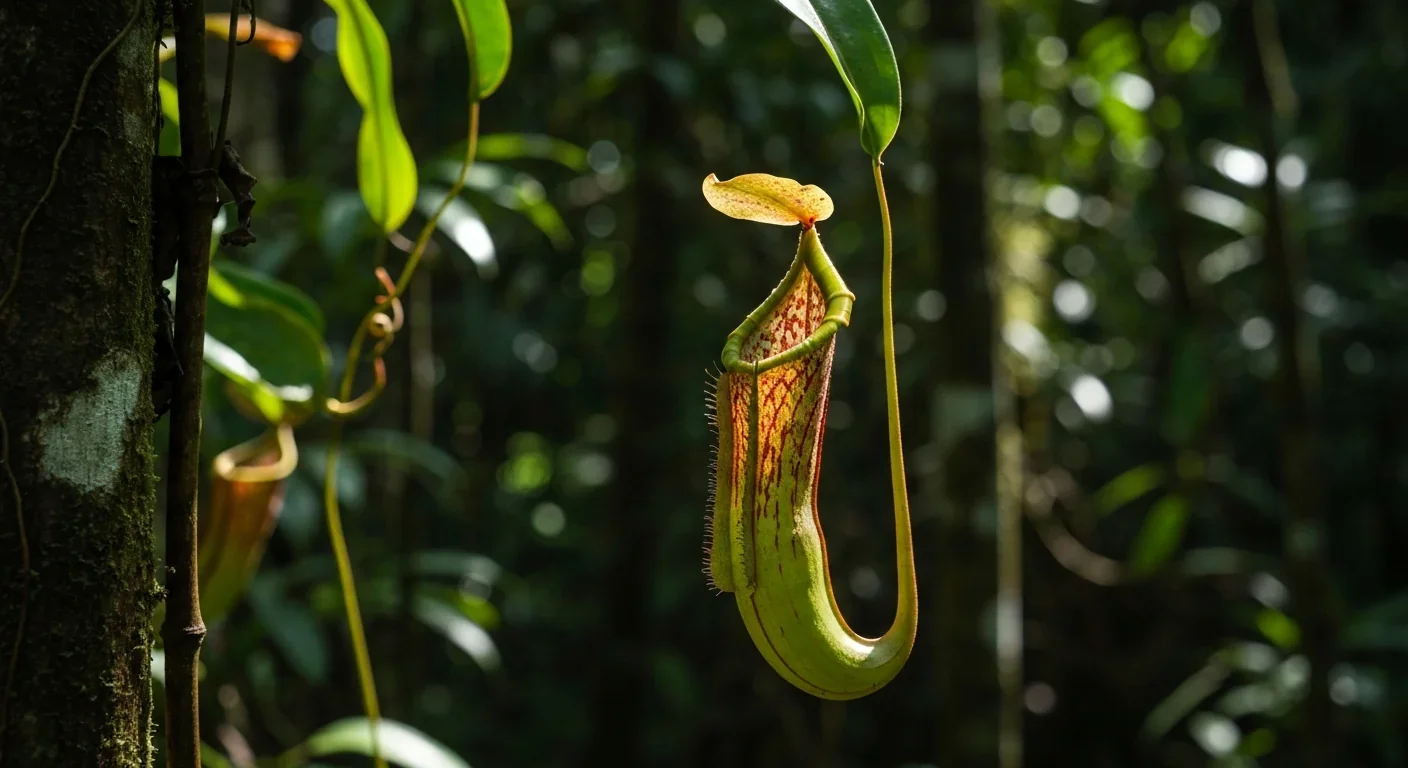
A carnivorous pitcher plant in Borneo evolved to house bats instead of trapping insects, gaining up to 95% of its nitrogen from bat guano. The plant even built an ultrasonic reflector to help bats find it, revealing that carnivory in plants is a flexible spectrum.
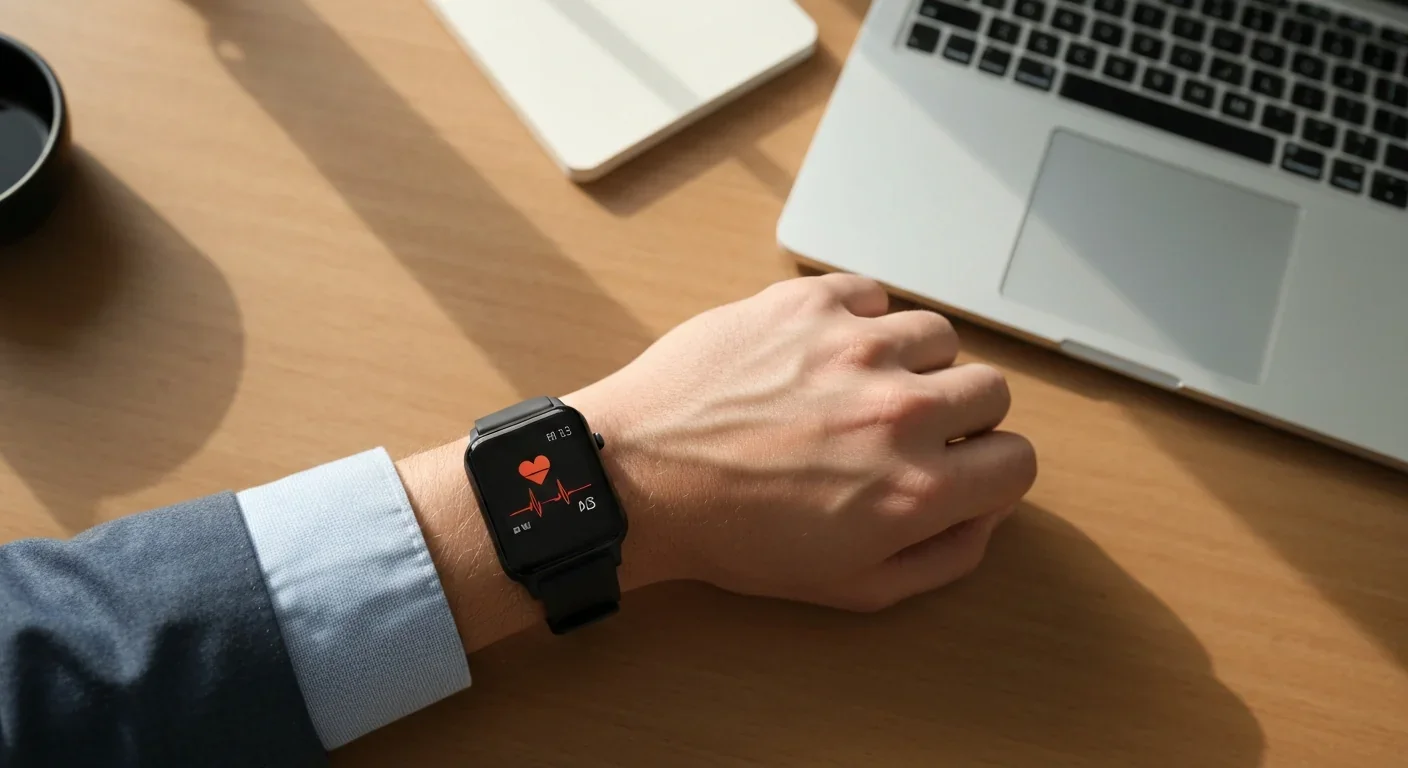
The quantified self movement began as a hacker-ethos pursuit of personal insight, but corporate wearables now funnel biometric data to employers, insurers, and data brokers. With 81% of Americans wrongly believing health apps are HIPAA-protected, a regulatory void enables health data to be sold for pennies while generating anxiety instead of empowerment.

CXL memory pooling lets servers dynamically share DRAM over a cache-coherent interconnect, eliminating the 40% stranded memory waste in data centers. With commercial hardware now shipping and Azure deploying CXL cloud instances, this technology promises to cut memory costs by 50% while enabling composable infrastructure.

Loading featured articles...