Alzheimer's Starts in a Spot You've Never Heard Of
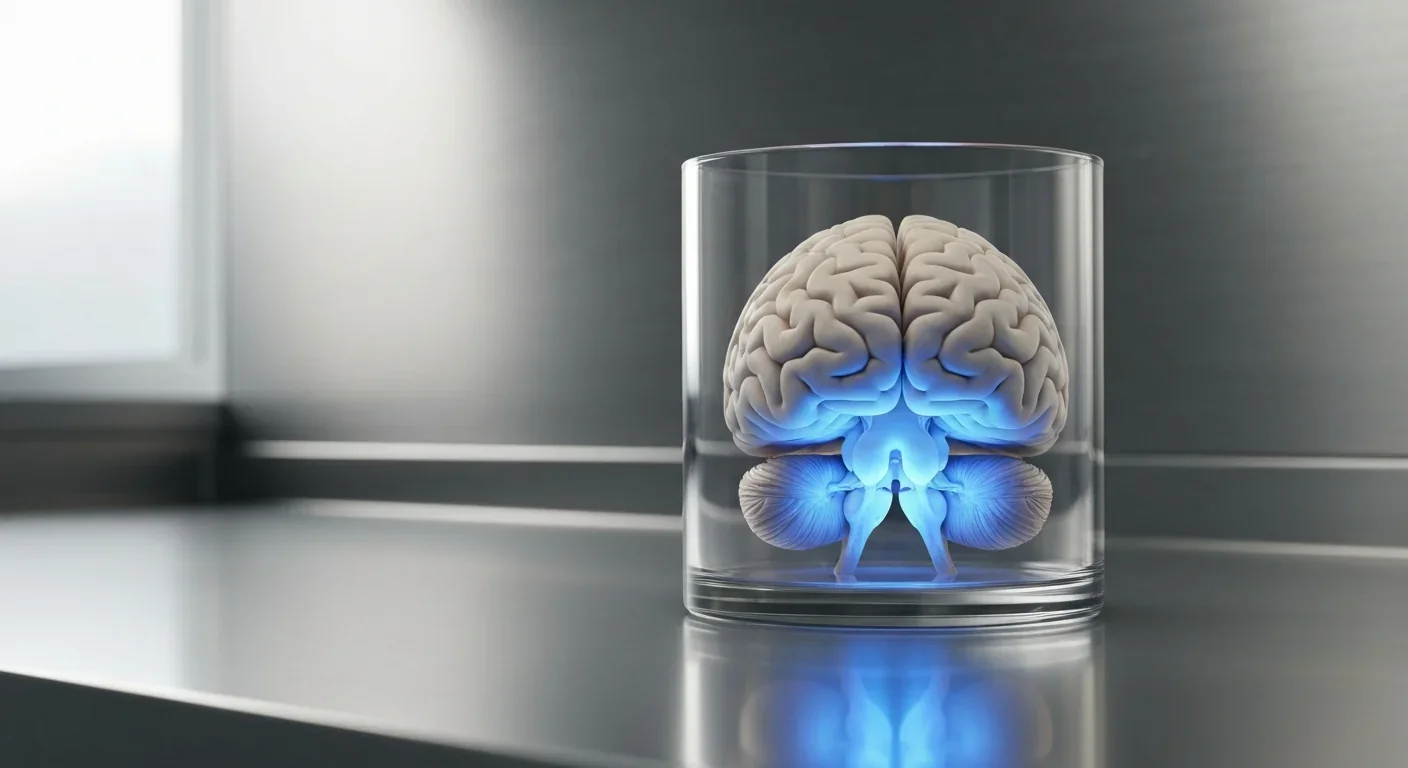
Alzheimer's Starts in a Spot You've Never Heard Of

Your 'Motor Brain' Actually Controls Emotions
The Bacterial Sugar Behind Crohn's Disease Flares

How Gut Bacterium Bt Unlocks Fiber's Hidden Nutrition
Metformin Anti-Aging: How a Diabetes Drug May Slow Aging

Precision Vagus Nerve Stimulation: Organ-Targeted
TL;DR: PET plastic bottles continuously leach hormone-disrupting chemicals like phthalates and antimony into beverages. These compounds interfere with human endocrine systems, particularly affecting pregnant people, children, and those trying to conceive. Practical alternatives like glass and stainless steel eliminate this exposure.
You've probably grabbed a plastic water bottle today. Maybe it's sitting next to you right now, promising convenience and hydration. But inside that clear PET container, a chemical conversation is happening that your body wasn't designed to handle. New research reveals that the very plastic meant to keep your drinks fresh is leaching compounds that interfere with your hormones in ways scientists are only beginning to understand.
This isn't about rare contamination events or manufacturing defects. Every single PET bottle releases chemicals into its contents, and those chemicals don't just pass harmlessly through your system. They dock onto hormone receptors throughout your body, mimicking signals that control everything from your metabolism to your reproductive health. The science is getting uncomfortable because it's getting specific.
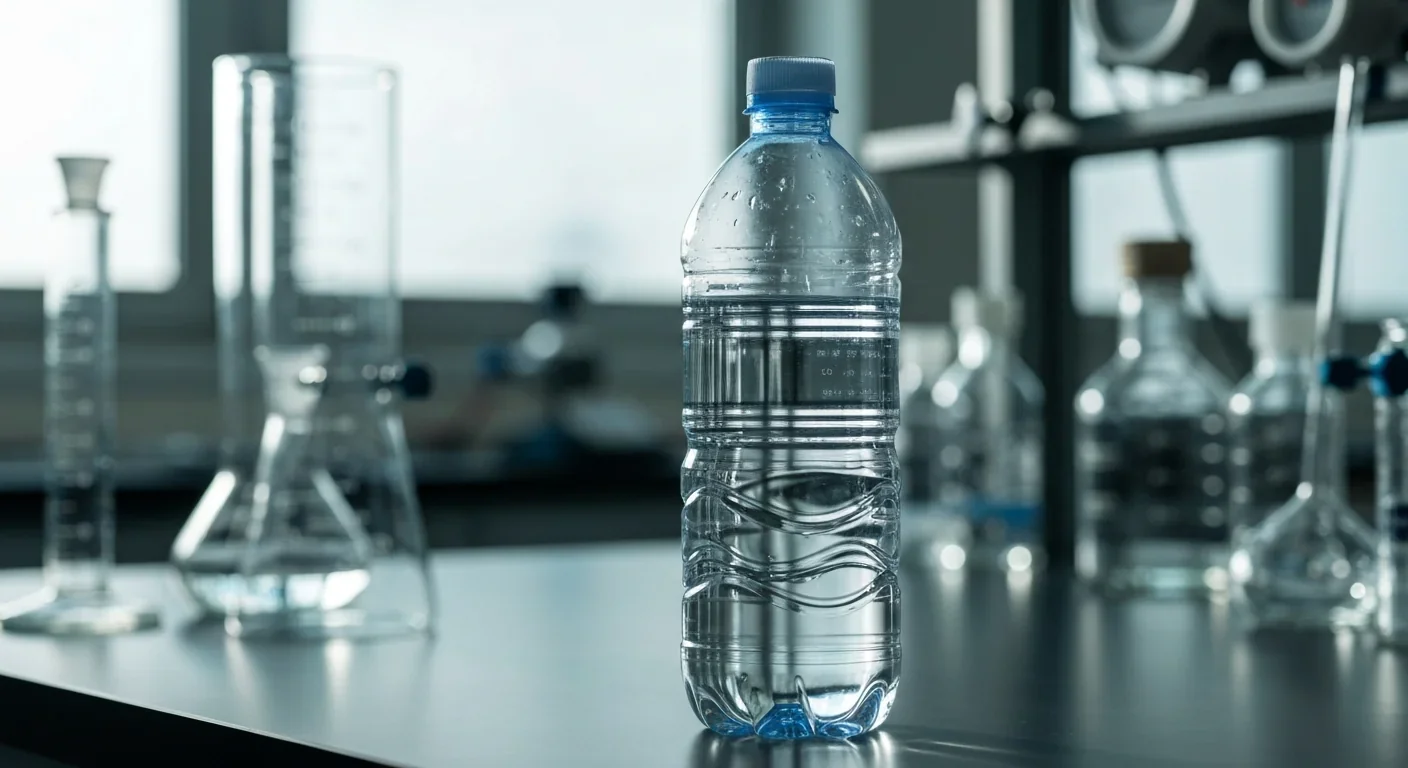
When researchers at UC Santa Cruz tested plastic bottles in 2025, they didn't just find chemical contamination. They watched those chemicals activate hormone receptors in real time, triggering biological responses identical to what happens in human cells. The plastics kept leaching active compounds for two full weeks after collection, suggesting anyone reusing bottles faces continuous exposure.
PET, or polyethylene terephthalate, breaks down into several problematic metabolites. Antimony trioxide, used as a catalyst during manufacturing, migrates into beverages throughout a product's shelf life. Phthalates, which make plastic flexible, follow a similar path. Then there's acetaldehyde, a compound that not only affects taste but acts as an endocrine disruptor at concentrations regularly found in bottled water.
Studies link exposure to DEHP, a common phthalate, to a 10% reduction in specific thyroid hormones when comparing the highest and lowest exposure groups - a significant impact on processes that control your heart rate, body temperature, metabolism, and brain development.
The dosage matters, but so does timing. Studies link exposure to DEHP, a common phthalate, to a 10% reduction in specific thyroid hormones when comparing the highest and lowest exposure groups. That might sound small until you consider how many regulatory processes thyroid hormones control: your heart rate, body temperature, metabolism, and brain development.
Heat accelerates everything. Leave a bottle in your car on a summer day, and chemical migration increases exponentially. Sunlight degrades the polymer chains, releasing more compounds. Even at room temperature, the leaching continues, just slower. Time and temperature aren't the only factors though. Acidic beverages like juice or soda pull more chemicals from the plastic than neutral water does.
Your endocrine system operates on precision. Hormones work at incredibly low concentrations, sometimes parts per trillion, delivering specific messages to specific receptors. When phthalates or BPA enter your bloodstream, they're molecular imposters. They fit into hormone receptors like keys in locks, but they turn the wrong mechanisms.
Phthalates particularly target sex hormone receptors. They can block testosterone from binding to its receptor or weakly activate estrogen receptors, creating confused signals throughout reproductive tissues. The Van Hassel study from 2025 demonstrated this by showing that fulmar hormone receptors responded to plastic leachate exactly like human receptors did, suggesting the mechanism is deeply conserved across species.
Antimony disrupts different pathways. Research indicates it interferes with thyroid hormone synthesis and metabolism. Since thyroid hormones regulate cellular energy production, disruption cascades through multiple body systems. Some studies show antimony may also affect insulin signaling, potentially contributing to metabolic dysfunction.
The timing of exposure determines the severity of effects. Fetuses and young people are especially vulnerable because their endocrine systems are actively organizing developmental processes. A 2024 international review confirmed that endocrine-disrupting chemicals from plastics pose health threats globally, with particular concern for reproductive development and metabolic programming.
"We've long known that plastic ingestion can cause physical harm to seabirds, but this study shows it may also have hidden biological effects."
- Liesbeth Van Hassel, UC Santa Cruz researcher
What makes this particularly insidious is the "cocktail effect." You're never exposed to just one chemical. The phthalates, antimony, acetaldehyde, and dozens of other compounds leaching from a single bottle can interact in ways that amplify their individual effects. Scientists call this synergistic toxicity, and current regulations don't account for it.
Pregnant people top the list. When phthalates cross the placenta, they reach a developing fetus during critical windows of hormone-dependent development. Studies have linked prenatal phthalate exposure to altered genital development in male infants, changes in thyroid hormone levels, and potential impacts on neurodevelopment.
Infants and young people remain highly susceptible because their bodies are still developing hormone-regulated systems. The doses that might minimally affect an adult can significantly impact a growing person's reproductive system, metabolism, or brain. Plus, relative to body weight, people consume more fluids, increasing their chemical exposure per kilogram.
People trying to conceive face specific concerns. Research connects phthalate exposure to reduced sperm quality, including lower sperm counts and decreased motility. In women, associations exist between phthalate levels and altered menstrual cycle characteristics, reduced fertility, and increased time to pregnancy. A 2025 study even found that polystyrene nanoplastics impair sperm metabolism and pre-implantation embryo development in mice.
People with existing thyroid conditions should pay attention. If you're already managing hypothyroidism or hyperthyroidism, additional endocrine disruption from plastic chemicals could complicate your condition. The research on DEHP and thyroid hormone reduction suggests that chronic exposure might require medication adjustments or make symptoms harder to control.

Athletes and fitness enthusiasts often consume large volumes of water from plastic bottles. Marathon runners, cyclists, and gym-goers might drink multiple liters daily from bottles that have been heated in cars or stored in hot facilities. Their higher consumption rates translate directly to higher chemical exposure.
Service workers in hot environments face combined risk factors. Kitchen staff, warehouse workers, construction crews, and others who work in heat often drink from plastic bottles that have been stored in warm conditions. They're getting higher chemical migration rates plus consuming more fluids to stay hydrated.
Here's something that might surprise you: in the United States, the FDA approves plastics for food contact based on testing that primarily looks for acute toxicity, not endocrine disruption. The approval process evaluates whether chemicals migrate at levels considered safe based on decades-old toxicology models.
Those models assume that "the dose makes the poison" in a straightforward linear fashion. But endocrine disruptors don't follow that rule. They can have effects at very low doses that don't appear at higher doses, a phenomenon called non-monotonic dose response. A chemical might do nothing at medium concentrations but disrupt hormone signaling at both very low and very high concentrations.
The FDA also doesn't require manufacturers to test for the combined effects of multiple chemicals leaching simultaneously. Each compound is evaluated individually, even though you'll never be exposed to just one. This means the real-world mixture you're drinking could be significantly more potent than regulatory tests predict.
European regulations take a somewhat more precautionary approach. The EU requires food contact materials testing that includes migration testing under various conditions. But even these standards struggle to address endocrine disruption comprehensively. Testing typically looks at total migration levels, not the specific biological activity of individual compounds.
The 1996 E-Screen study found estrogenic activity in water stored in PET bottles - nearly 30 years later, we still don't have comprehensive regulations addressing endocrine disruption despite dramatic advances in research.
The 1996 E-Screen study found estrogenic activity in water stored in PET bottles, showing that chemicals were leaching and activating estrogen receptors. Nearly 30 years later, we still don't have comprehensive regulations addressing this. The research has advanced dramatically, but policy hasn't kept pace.
International scientific bodies increasingly recognize the problem. The Endocrine Society, representing hormone research experts worldwide, has called for stricter regulation of endocrine-disrupting chemicals. The Pew Charitable Trusts reports that thousands of chemicals remain poorly tested for endocrine activity despite widespread human exposure.

When consumers demanded BPA-free products, manufacturers responded enthusiastically. Store shelves filled with bottles sporting "BPA-FREE" labels, implying safety. But those alternatives often contain equally concerning chemicals like BPS (bisphenol S) and BPF (bisphenol F).
These BPA substitutes were selected because they have similar chemical structures, which means they perform the same function in manufacturing. That structural similarity also means they interact with hormone receptors in similar ways. Studies have found that BPS and BPF can activate estrogen receptors and interfere with hormone signaling, sometimes even more potently than BPA itself.
The BPA-free label became brilliant marketing because it addressed consumer concern without actually solving the underlying problem. Companies could truthfully claim their products contained no BPA while using chemicals that hadn't been studied as extensively. Less research meant fewer alarming headlines, even if the actual risk remained similar.
Testing by independent researchers keeps revealing problems with replacement chemicals. A 2022 study found that reusable plastic bottles release hundreds of chemicals, many of which remain unidentified. When scientists ran these chemical cocktails through biological assays, they found significant toxicity, but they couldn't even name all the compounds responsible.
This pattern repeats throughout the plastics industry. When one chemical becomes controversial, manufacturers switch to structural analogs that perform the same function but haven't accumulated the same body of damning research yet. It's regulatory whack-a-mole, where each "solution" just shifts the problem to a different compound.
The environmental benefits of recycling PET bottles come with an unexpected tradeoff: recycled plastic contains more contamination than virgin plastic. When bottles go through the recycling stream, they pick up chemicals from other products, contaminated batches, and degradation byproducts.
A 2025 analysis published in Environmental Science: Processes & Impacts compared virgin and recycled PET. The researchers found that six organophosphate esters appeared more frequently in recycled bottles, indicating that recycling itself becomes a contamination pathway. These chemicals often come from flame retardants in electronics or plasticizers in other plastic products.
"The recycling process can't remove all contaminants. Chemical contaminants that are soluble in the plastic matrix get carried through into new products."
- Environmental Science: Processes & Impacts, 2025
The recycling process can't remove all contaminants. Plastics are sorted by type, melted down, and reformed, but chemical contaminants that are soluble in the plastic matrix get carried through into new products. You might be drinking water from a bottle that now contains trace amounts of flame retardants from a recycled computer case or cable insulation.
Greenpeace's 2025 report on toxic hazards in recycled plastic highlighted how circular economy solutions don't necessarily create safer products. The report documented numerous cases where recycled plastic contains contaminants that wouldn't be allowed in virgin materials intended for food contact.
This creates a genuine dilemma for environmentally conscious consumers. Using recycled content reduces petroleum consumption and carbon emissions. But it might increase your exposure to endocrine-disrupting chemicals. Current regulations don't require additional testing for recycled plastic beyond what's required for virgin material, even though the contamination profile differs significantly.
The Food Packaging Forum has documented strategies to address these contamination issues, including improved sorting technology, decontamination processes, and closed-loop recycling systems. But implementation remains limited, and most recycled PET currently used in bottles hasn't gone through advanced purification.
PET bottles are just one exposure source in a plastic-saturated world. That polyester shirt you're wearing? It contains similar chemicals that can leach during wear, especially when combined with sweat and heat. Your cutting board releases microplastics with every knife stroke, and those tiny particles carry the same endocrine-disrupting compounds.

Research using advanced chromatography methods has tracked how chemicals migrate in reusable plastic bottles over time. Scientists found that washing and refilling bottles actually increases chemical leaching as the plastic surface degrades. Every cycle of use releases more compounds.
A comprehensive 2024 review examined microplastics' and nanoplastics' impact on the endocrine, nervous, and immune systems. The researchers found evidence linking plastic particle exposure to inflammation, immune dysfunction, and neurological changes, in addition to hormone disruption. The particles themselves, separate from the chemicals they contain, appear to trigger biological responses.
Microplastics and nanoplastics now appear in human tissues that should be sterile. Researchers have found them in placentas, bloodstreams, lungs, and even brain tissue. Every person tested has detectable levels of plastic-derived chemicals in their urine and blood. We've become inadvertent experiments in chronic low-dose exposure to thousands of synthetic compounds.
The MENA region review documented how microplastics contaminate food and drugs, creating exposure pathways beyond just beverage containers. Packaged foods, bottled medications, and even tap water filtered through plastic systems all contribute to your total plastic chemical load.
Switch to glass or stainless steel bottles for regular use. Yes, they're heavier and more expensive upfront, but they eliminate the continuous chemical exposure from plastic. Glass doesn't leach anything into your drinks, and it's infinitely recyclable without quality loss.
If you must use plastic bottles, never reuse them. Single-use bottles are designed for one use because manufacturers know that washing and refilling accelerates chemical leaching. Each time you refill that disposable bottle, you're increasing your exposure.
Avoid heat at all costs. Don't leave plastic bottles in hot cars, direct sunlight, or anywhere warm. Don't freeze them either - freezing and thawing cycles damage the plastic structure, increasing chemical migration. Store them in cool, dark places and consume them quickly after purchase.
Read recycling codes, but know their limits. PET bottles are marked with a #1 inside the recycling triangle. They're among the safer plastics for single use, but that doesn't mean they're completely safe. Plastics marked #3 (PVC) and #7 (other) often contain higher levels of concerning additives.
Every substitution matters: Replace plastic food containers with glass or stainless steel. Use wax-coated paper or cloth bags instead of plastic. Buy foods packaged in glass jars when possible. Every choice reduces your cumulative chemical exposure.
Choose alternative food storage too. Replace plastic food containers with glass or stainless steel. Use wax-coated paper or cloth bags instead of plastic bags. Buy foods packaged in glass jars rather than plastic containers when possible. Every substitution reduces your cumulative exposure.
Support policy changes that actually address the problem. Current regulations aren't protecting you adequately. Contact representatives about strengthening requirements for endocrine disruptor testing before chemicals are approved for food contact. Support bottle bills and other policies that reduce single-use plastic consumption.
Be strategic about when plastic exposure matters most. If you're pregnant, trying to conceive, or have young people, prioritizing plastic reduction makes the biggest difference. These life stages represent critical windows when hormone signaling guides irreversible developmental processes.
Filter your water at home with a quality system, then carry it in a reusable glass or metal bottle. This eliminates both the plastic bottle chemicals and the microplastics often found in bottled water. Reverse osmosis or activated carbon filters can remove many contaminants, and the water stored in non-plastic containers stays cleaner.
Researchers are just beginning to understand the full scope of how chronic low-dose exposure to multiple endocrine disruptors affects human health over decades. The chemicals we're studying today might turn out to be the least concerning ones. Hundreds of chemical compounds in reusable plastic bottles remain unidentified, let alone tested for biological activity.
Nanoplastics present an entirely new frontier of concern. These particles are small enough to cross cell membranes and potentially even the blood-brain barrier. Early studies suggest they accumulate in tissues, but we don't yet know the long-term consequences of having plastic particles embedded in vital organs.
The generational effects worry scientists most. Some endocrine disruptors can cause epigenetic changes that get passed to offspring without altering DNA sequences. This means your plastic exposure today might affect not just your health, but potentially your future generations' health too.
As analytical chemistry advances, researchers keep finding more concerning chemicals in plastics. The 2022 study that identified hundreds of chemicals in reusable bottles used cutting-edge mass spectrometry techniques that weren't available a decade ago. Future analytical improvements will undoubtedly reveal even more compounds we're currently blind to.
The global plastics treaty negotiations represent a critical moment for addressing these issues systematically. Countries are debating whether to restrict certain plastic additives, require full disclosure of chemical formulations, and implement comprehensive testing requirements. The outcomes of these negotiations will shape plastic safety standards for decades.
You can't eliminate plastic exposure entirely - it's too ubiquitous in modern life. But you can significantly reduce it through strategic choices that focus on the highest-exposure scenarios. Every plastic bottle you don't use, especially in heat or for acidic beverages, reduces your hormone-disrupting chemical load.
The convenience of plastic comes with a biological cost that we're still calculating. The endocrine disruption isn't hypothetical or rare; it's happening in every person who regularly drinks from plastic bottles, and it's measurable in their blood and urine. The question isn't whether plastic chemicals affect your hormones but how much and what you're willing to do about it.
The next time you reach for a plastic water bottle, remember that you're not just choosing a container. You're choosing to expose yourself to a complex mixture of hormone-disrupting chemicals that your body will process, store, and respond to in ways that science is only beginning to map. That clear, convenient plastic isn't as inert as it looks.
The research keeps getting clearer: the substances leaching from PET bottles interact with human endocrine systems in significant ways. Whether those interactions cause noticeable health problems for you specifically depends on factors like your age, exposure level, genetic susceptibility, and what other endocrine disruptors you encounter. But the biological mechanisms are real, the chemicals are measurable, and the effects are increasingly well-documented.
Making different choices won't reverse decades of exposure, but it stops the accumulation. Your body continuously metabolizes and excretes many of these compounds; stop adding more, and your levels gradually decrease. Every glass bottle used instead of plastic, every steel container chosen over disposable packaging, represents a small step toward reducing the hormonal noise that modern plastic has introduced to human biology.

Project Orion was a real 1960s program to reach other stars by detonating 800 nuclear bombs behind a spacecraft. The physics worked and the engineering was feasible, but the 1963 nuclear test ban treaty killed it. It remains the most credible interstellar spacecraft ever designed.
The locus coeruleus, a tiny brainstem structure, degenerates decades before Alzheimer's symptoms appear. Its loss cripples the brain's inflammation control, waste clearance, and sleep regulation. New imaging tools and noradrenergic therapies offer hope for early detection and prevention.

Research shows the sharing economy often increases total resource consumption through the Jevons paradox and rebound effects. Ride-sharing adds billions of vehicle miles, co-working spaces use more energy per worker, and diffused responsibility erodes conservation behavior. Breaking the paradox requires congestion pricing, accountability design, and matching sharing models to appropriate resource types.

Psychological reactance theory explains why banning or restricting things makes people want them more. From Prohibition to the Streisand effect to scarcity marketing, research shows that threatening people's freedom reliably backfires, and autonomy-supportive communication is far more effective.

A carnivorous pitcher plant in Borneo evolved to house bats instead of trapping insects, gaining up to 95% of its nitrogen from bat guano. The plant even built an ultrasonic reflector to help bats find it, revealing that carnivory in plants is a flexible spectrum.

The quantified self movement began as a hacker-ethos pursuit of personal insight, but corporate wearables now funnel biometric data to employers, insurers, and data brokers. With 81% of Americans wrongly believing health apps are HIPAA-protected, a regulatory void enables health data to be sold for pennies while generating anxiety instead of empowerment.

CXL memory pooling lets servers dynamically share DRAM over a cache-coherent interconnect, eliminating the 40% stranded memory waste in data centers. With commercial hardware now shipping and Azure deploying CXL cloud instances, this technology promises to cut memory costs by 50% while enabling composable infrastructure.

Loading featured articles...