Alzheimer's Starts in a Spot You've Never Heard Of

Alzheimer's Starts in a Spot You've Never Heard Of
Your 'Motor Brain' Actually Controls Emotions

The Bacterial Sugar Behind Crohn's Disease Flares

How Gut Bacterium Bt Unlocks Fiber's Hidden Nutrition

Metformin Anti-Aging: How a Diabetes Drug May Slow Aging

Precision Vagus Nerve Stimulation: Organ-Targeted
TL;DR: Heart rate variability training teaches you to optimize cardiac rhythm patterns through breathing exercises, reducing anxiety by rebalancing your autonomic nervous system - offering a scientifically-backed, non-pharmaceutical intervention that's now accessible through consumer wearables.
What if the key to managing your anxiety isn't in your head, but in your chest? While millions reach for medication or therapy to quiet racing thoughts, a growing body of research suggests something unexpected: the erratic beating of your heart might be both the messenger and the solution to your anxiety. Scientists have discovered that by learning to control the subtle variations in your heartbeat - something most of us never notice - you can fundamentally rewire how your nervous system responds to stress.
This isn't meditation rebranded or another wellness fad. Heart rate variability (HRV) training is grounded in decades of cardiovascular and psychiatric research, and it's now accessible through devices you can wear on your wrist or chest. The science is straightforward: your heart doesn't beat like a metronome, and those tiny fluctuations between beats reveal whether your nervous system is stuck in fight-or-flight mode or flexibly adapting to your environment. Train yourself to optimize those patterns, and you might reduce anxiety as effectively as traditional treatments - without a prescription.
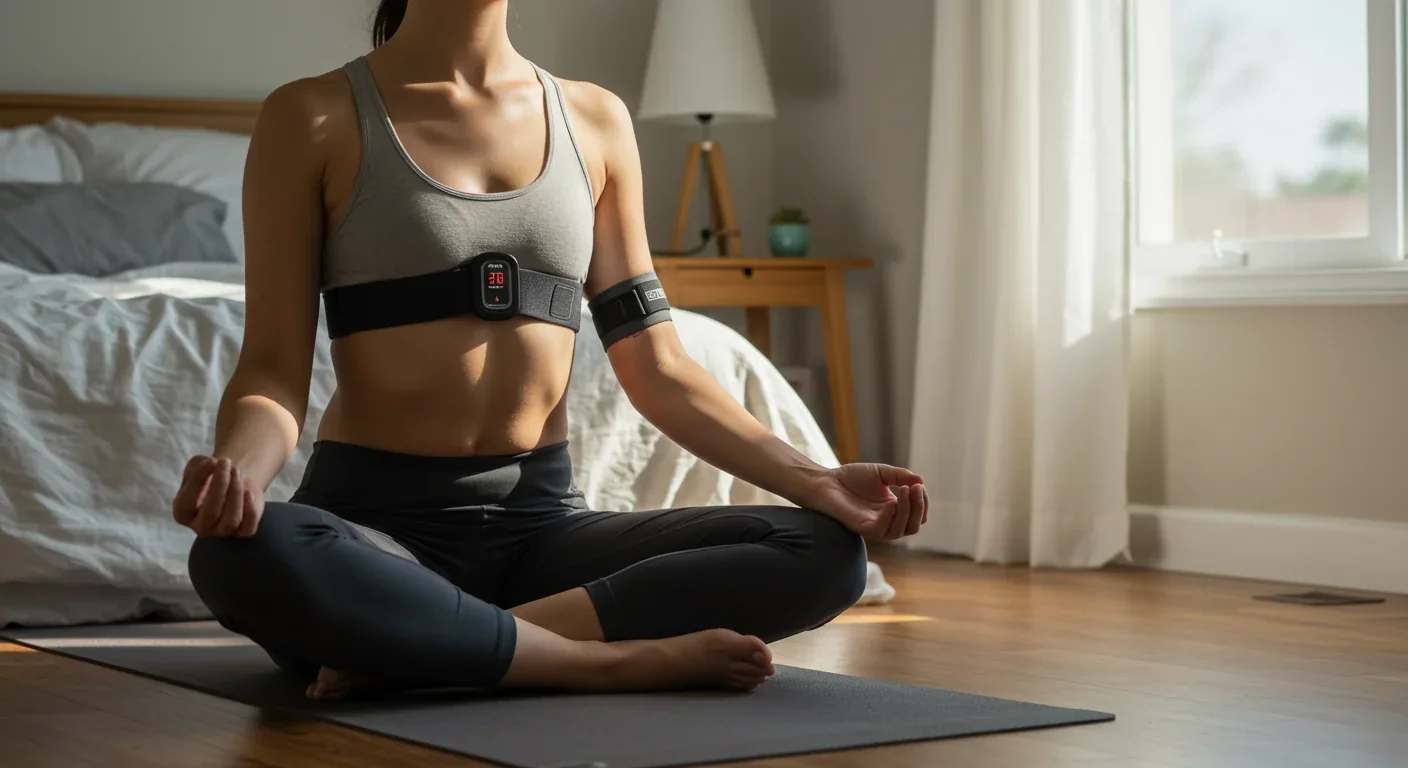
Your heart rate variability is exactly what it sounds like: the variation in time between successive heartbeats. If your heart beats at 60 bpm, you might assume that's one beat per second, perfectly spaced. But that's not how healthy hearts work. In reality, the interval between beats constantly shifts - maybe 0.9 seconds, then 1.1 seconds, then 0.95 seconds. These microscopic fluctuations, measured in milliseconds, are actually signs of a well-functioning nervous system.
HRV reflects the dynamic interplay between your sympathetic nervous system (the gas pedal that accelerates your heart during stress) and your parasympathetic system (the brake pedal that slows things down when you're calm). When you inhale, your sympathetic system kicks in slightly, speeding up your heart. When you exhale, your parasympathetic system - primarily through the vagus nerve - engages, slowing it down. This creates a natural rhythm, a kind of conversation between acceleration and deceleration.
People with high HRV can rapidly shift between these states, adapting fluidly to whatever life throws at them. Their nervous systems are nimble. But those with low HRV - common in people with chronic anxiety - show reduced variation, suggesting their systems are rigid, stuck in a perpetual state of alertness. Research consistently finds that reduced HRV and elevated resting heart rates are associated with depression and anxiety disorders.
Think of it this way: low HRV is like a car that can only drive at one speed, unable to downshift when the road gets rough or accelerate when needed. High HRV, by contrast, reflects a system that's responsive, resilient, and ready.
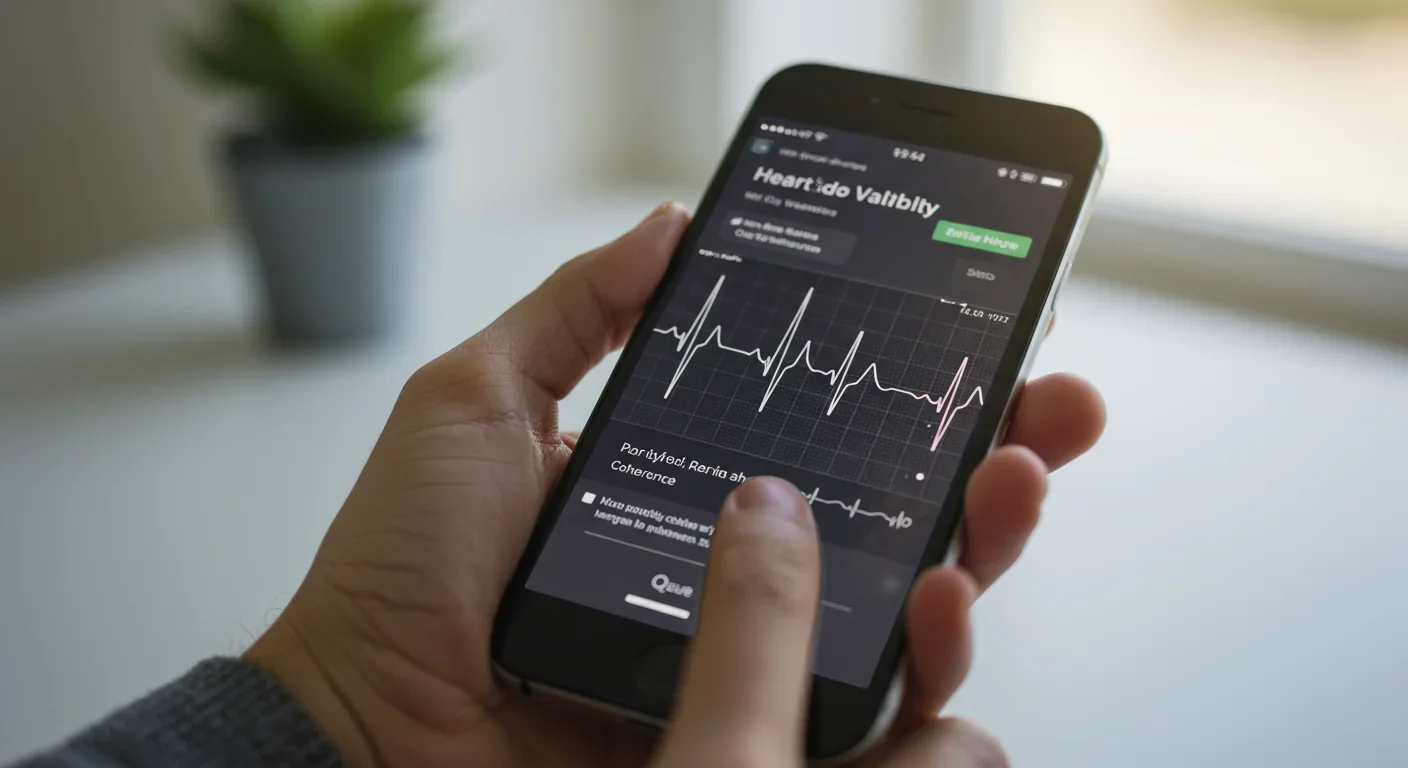
So what does "training" your HRV actually mean? The goal isn't simply to increase variability for its own sake - it's to achieve what researchers call cardiac coherence, a state where your heart rhythm becomes smooth and wave-like rather than chaotic.
At maximum HRV, your heart rate peaks at the top of each in-breath and drops to its lowest at the end of each out-breath. This synchronization between breathing and heart rhythm is cardiac coherence - the measurable target of HRV training.
When you breathe in a specific pattern - typically around six breaths per minute - your heart rate oscillates in sync with your breath. This creates a coherent sine wave pattern when plotted on a graph. Research from the HeartMath Institute shows that activating this state makes physiological systems function more efficiently, increases emotional stability, and improves cognitive function.
The mechanism is rooted in autonomic nervous system regulation. By synchronizing your breathing with your heart rhythm, you're essentially rebalancing the sympathetic and parasympathetic branches. This triggers a cascade of hormonal changes: reduced cortisol (the stress hormone), increased DHEA (which buffers stress), favorable effects on dopamine and serotonin, and a boost in oxytocin. Your body shifts from a state of vigilance to one of recovery and restoration.
The practical protocol is surprisingly simple. The most widely cited method is the "365 technique": practice for 5 minutes, 3 times a day, breathing at a rate of 6 breaths per minute. That typically means inhaling for 5 seconds and exhaling for 5 seconds. The benefits of each session last 4 to 5 hours, which is why spacing them throughout the day - morning, midday, and evening - provides continuous coverage.
Does this actually work for anxiety, or is it just relaxation theater? Clinical trials suggest it's the real deal.
A meta-analysis by Goessl and colleagues reviewed 24 studies and found that HRV biofeedback significantly reduces anxiety and stress across diverse populations. The effects weren't trivial - participants showed measurable improvements in autonomic balance, sleep quality, and emotional regulation. Another study found HRV biofeedback reduced depressive symptoms in individuals with major depressive disorder compared to control groups.

One particularly compelling study examined U.S. military veterans with PTSD. Researchers found that baseline HRV predicted which treatment would work best: veterans with lower HRV responded better to a breath-focused intervention (Sudarshan Kriya yoga), while those with higher baseline HRV did better with cognitive processing therapy. In other words, HRV didn't just measure anxiety - it helped clinicians choose the right intervention.
HRV training has been tested in real-world settings too. A systematic review of workplace biofeedback interventions found that 8 out of 9 studies reported positive outcomes, with breathing-based HRV training reducing stress, anxiety, and depressive symptoms. Mobile and app-directed interventions appeared especially promising for improving resilience and facilitating recovery after stress.
The evidence base isn't limited to severe mental illness. Studies have found benefits for people with generalized anxiety disorder, OCD, performance anxiety, and even everyday stress. The common thread? All these conditions involve dysregulated autonomic nervous system activity, which HRV training directly targets.
"If stress can do so much harm, it only half surprises me that its inner control can do so much good."
- Dr. David Servan-Schreiber
If you decide to try HRV training, what does the process look like? Clinical HRV biofeedback typically begins with a baseline assessment. A clinician measures your resting HRV to understand your starting point, then guides you through resonance frequency training - finding the breathing rate (usually around 6 breaths per minute) that maximizes your HRV.
During a session, you're connected to a device that monitors your heart rhythm in real time. As you breathe at your resonance frequency, you watch your HRV metrics on a screen. The visual feedback is crucial - it teaches you to recognize what cardiac coherence feels like internally. Over time, you learn to activate that state without needing to watch the screen.
Clinicians typically recommend 8 to 12 sessions for measurable and lasting improvements. Sessions are often paired with home practice plans, where you're expected to practice the breathing techniques daily. Think of it like physical therapy for your autonomic nervous system: the in-office sessions teach you the technique, but the real gains come from consistent practice.
The beauty of HRV training is that it can be performed anywhere, requires no special equipment beyond a monitoring device, and has no contraindications. It's safe for children, adolescents, adults, and the elderly, even those with physical or cognitive difficulties.
The shift from clinical labs to consumer wearables has democratized HRV training. A decade ago, measuring HRV required expensive equipment and a trip to a research facility. Today, dozens of devices and apps can track your HRV from your wrist, finger, or chest.
But not all devices are created equal. A study published in Frontiers in Sports and Active Living tested the accuracy of popular consumer HRV monitors against clinical-grade ECG equipment. The results were sobering: HRV4Training paired with an ECG chest strap had the lowest error rate (4.10%), followed by the Oura Ring (6.84%). But camera-based apps that measure HRV through your phone's camera? They had error rates exceeding 112%, making them essentially useless.
The takeaway: if you're serious about HRV training, invest in a device with a chest strap or optical sensor that's been independently validated. Wrist-worn devices like the Oura Ring offer convenience, but chest straps provide superior accuracy.
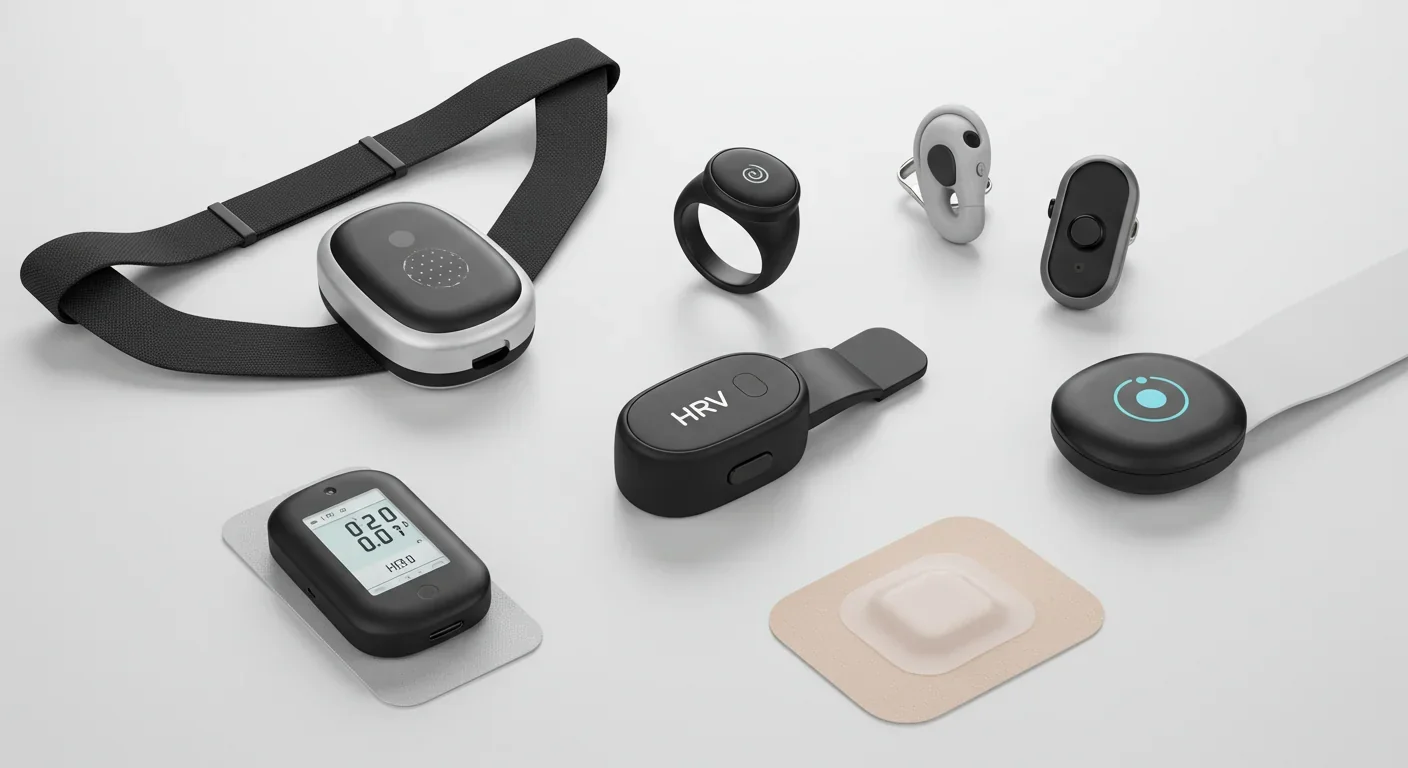
Here's a snapshot of what's available:
HeartMath Inner Balance ($160): Clips to your earlobe and pairs with an app that guides you through coherence-building exercises. HeartMath's research has found a 25% improvement in cognitive performance and 40-50% reductions in stress and anxiety with regular use.
Lief ($49-$99/month): An adhesive patch you wear on your chest that vibrates when your HRV drops below your target, prompting you to adjust your breathing. It's like having a personal biofeedback coach that nudges you throughout the day.
EliteHRV (free or $8/month): A popular app that pairs with compatible chest straps or the camera on your phone. The app tracks your HRV trends over time and offers guided breathing exercises.
Oura Ring ($399): A sleek ring that tracks HRV during sleep, providing insights into your recovery and stress levels. It won't give you real-time biofeedback during the day, but it's excellent for tracking long-term trends.
Pulsetto ($249-$300): Uses electrical stimulation to activate the vagus nerve directly, producing a relaxation response within minutes. This is a different approach than traditional HRV training - rather than teaching you to self-regulate, it stimulates your parasympathetic system externally.
The device you choose depends on your goals. If you want real-time feedback to train cardiac coherence, go with HeartMath or Lief. If you're more interested in tracking recovery and long-term trends, Oura or EliteHRV might suffice. Just avoid the free camera-based apps - they're not accurate enough for meaningful biofeedback.

So how does HRV biofeedback stack up against established treatments like medication or cognitive behavioral therapy (CBT)?
In terms of efficacy, HRV training appears comparable to CBT for reducing anxiety symptoms, though the evidence base for CBT is more extensive. Medication - particularly SSRIs - can be highly effective for severe anxiety, but comes with potential side effects, dependency concerns, and a lag time before benefits appear.
One major advantage of HRV training is patient empowerment. Unlike medication, where you're a passive recipient, HRV training teaches you a skill. You're learning to regulate your own nervous system, which can be incredibly empowering and confidence-building. That sense of agency matters, especially for people who feel helpless in the face of anxiety.
HRV training is increasingly being integrated with other modalities - CBT, mindfulness, yoga, even sound therapy - to create comprehensive treatment packages that address anxiety from multiple angles.
HRV training is also non-invasive, has no side effects, and can be practiced indefinitely. The downside? It requires consistent practice and self-discipline. If you're not willing to spend 15 minutes a day breathing in a specific pattern, it won't work. Some people thrive with that kind of structured self-care; others find it tedious.
Cost is another consideration. While apps and consumer devices have made HRV training more accessible, clinical biofeedback sessions can be expensive - often $100-$200 per session, and insurance coverage varies. If you go the DIY route with a consumer device, you'll spend $160-$400 upfront, which is less than ongoing therapy or medication costs, but still a barrier for some.
HRV training isn't a one-size-fits-all solution. The research suggests certain groups are more likely to benefit:
People with low baseline HRV: If your HRV is already quite low (a sign of chronic stress or autonomic dysfunction), you have more room to improve. Veterans with lower baseline HRV showed particularly strong responses to breath-focused interventions.
Athletes and high performers: Athletes already understand the value of physiological training and tend to be highly motivated. HRV training can optimize recovery, reduce performance anxiety, and improve stress resilience. That said, one meta-analysis found that elite athletes sometimes develop such strong parasympathetic resilience that HRV-stress associations become less detectable - their bodies are so adapted to stress that HRV alone doesn't capture it.
People seeking non-pharmaceutical options: If you're wary of medication side effects, pregnant, or simply prefer a self-directed approach, HRV training offers a credible alternative.
Those already practicing mindfulness or yoga: HRV training complements contemplative practices beautifully. If you're already doing breath work or meditation, adding HRV monitoring provides objective feedback on whether your practice is actually shifting your physiology.
Who might struggle? People who need immediate relief from severe anxiety may find HRV training too slow - it typically takes weeks of consistent practice to see meaningful changes. Those with certain cardiac conditions should consult a physician first, though there are no absolute contraindications to the breathing techniques themselves.
Despite the promising research, HRV training has limitations. Most studies have been relatively small, and we still don't have large-scale, long-term trials comparing HRV biofeedback head-to-head with medication or CBT. The mechanisms are well-established, but optimal protocols - exactly how long to train, how often, and for which specific anxiety disorders - remain somewhat unclear.
Device accuracy is another concern. As mentioned earlier, even the best consumer devices show measurable bias compared to clinical-grade ECG. This doesn't invalidate them - they're certainly good enough to track trends - but it means you shouldn't obsess over exact numbers.
There's also the question of adherence. HRV training works if you do it consistently, but motivation tends to wane over time. One workplace study noted that logistical barriers to accessing biofeedback initially increased stress for some participants. The lesson? Make it easy. Apps and wearables that integrate seamlessly into your daily routine are more likely to stick than elaborate protocols that feel like a chore.
Finally, while HRV training can be highly effective for anxiety, it's not a replacement for therapy or medication in cases of severe mental illness. Think of it as part of a toolkit, not a silver bullet.
We're living through an epidemic of anxiety, with prevalence rates climbing across nearly every demographic. Traditional treatments help millions, but they don't work for everyone, and many people want options beyond pharmaceuticals. HRV training offers something genuinely different: a way to directly intervene in the physiological machinery of anxiety.
The science is compelling. Decades of research have established that HRV reflects autonomic nervous system function, that low HRV is associated with anxiety disorders, and that training can improve both HRV and anxiety symptoms. The technology has evolved from lab equipment to consumer wearables, making it accessible to anyone willing to invest time and modest resources.
But the real power of HRV training might be psychological as much as physiological. Learning to consciously influence your autonomic nervous system - a system we're taught operates entirely outside conscious control - can fundamentally shift how you relate to anxiety. Instead of feeling hijacked by panic or dread, you have a tool, a skill, a way to intervene.
The future of anxiety treatment likely won't be a single intervention but a personalized combination: HRV training for one person, medication for another, CBT for a third, or all three together. The emerging field of precision psychiatry aims to match treatments to individual biology, and HRV is shaping up to be a key biomarker in that effort. Imagine a future where a quick HRV assessment helps your clinician predict which therapy will work best for you, saving months of trial and error.
For now, the tools are here. The evidence is growing. And millions of hearts are beating with just enough variability to suggest that change is possible - one breath at a time.

Project Orion was a real 1960s program to reach other stars by detonating 800 nuclear bombs behind a spacecraft. The physics worked and the engineering was feasible, but the 1963 nuclear test ban treaty killed it. It remains the most credible interstellar spacecraft ever designed.
The locus coeruleus, a tiny brainstem structure, degenerates decades before Alzheimer's symptoms appear. Its loss cripples the brain's inflammation control, waste clearance, and sleep regulation. New imaging tools and noradrenergic therapies offer hope for early detection and prevention.

Research shows the sharing economy often increases total resource consumption through the Jevons paradox and rebound effects. Ride-sharing adds billions of vehicle miles, co-working spaces use more energy per worker, and diffused responsibility erodes conservation behavior. Breaking the paradox requires congestion pricing, accountability design, and matching sharing models to appropriate resource types.

Psychological reactance theory explains why banning or restricting things makes people want them more. From Prohibition to the Streisand effect to scarcity marketing, research shows that threatening people's freedom reliably backfires, and autonomy-supportive communication is far more effective.

A carnivorous pitcher plant in Borneo evolved to house bats instead of trapping insects, gaining up to 95% of its nitrogen from bat guano. The plant even built an ultrasonic reflector to help bats find it, revealing that carnivory in plants is a flexible spectrum.
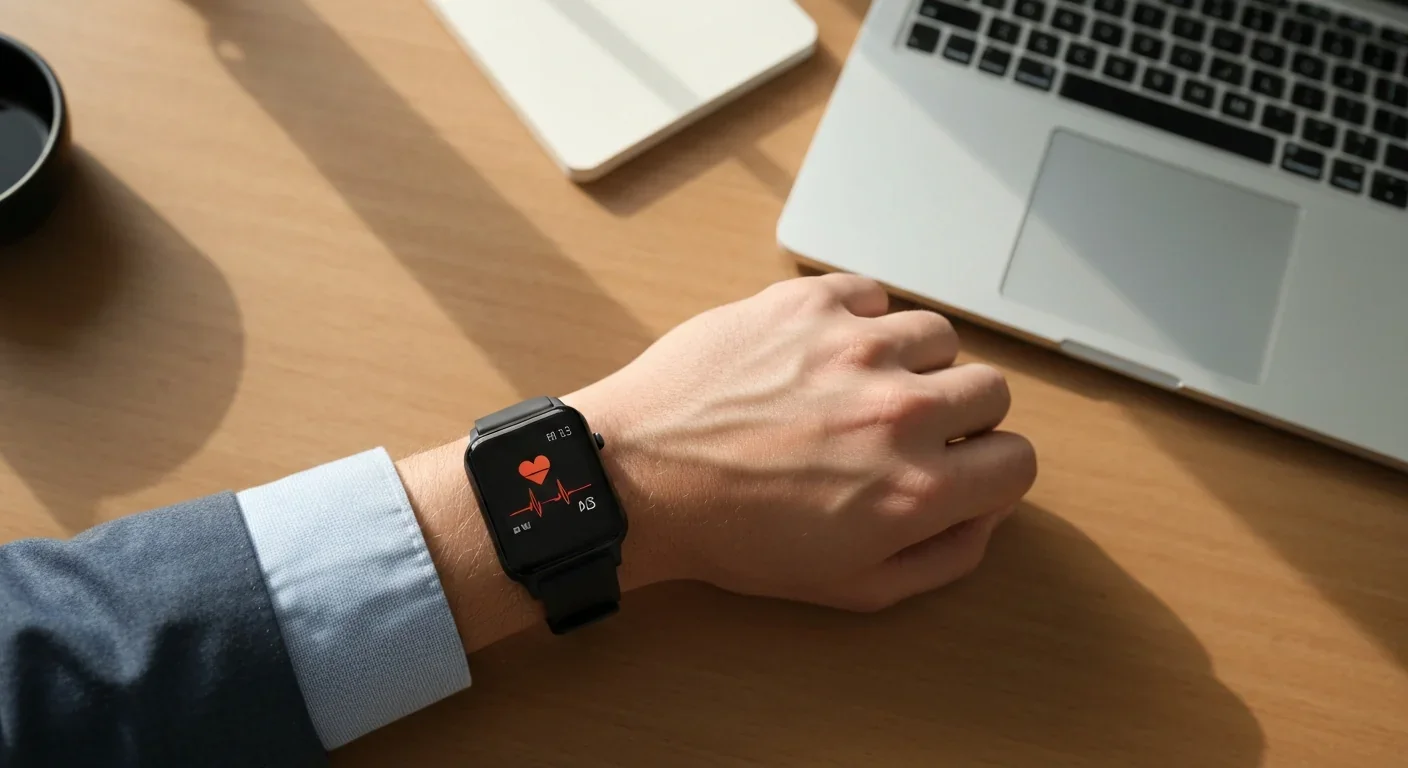
The quantified self movement began as a hacker-ethos pursuit of personal insight, but corporate wearables now funnel biometric data to employers, insurers, and data brokers. With 81% of Americans wrongly believing health apps are HIPAA-protected, a regulatory void enables health data to be sold for pennies while generating anxiety instead of empowerment.

CXL memory pooling lets servers dynamically share DRAM over a cache-coherent interconnect, eliminating the 40% stranded memory waste in data centers. With commercial hardware now shipping and Azure deploying CXL cloud instances, this technology promises to cut memory costs by 50% while enabling composable infrastructure.

Loading featured articles...