Alzheimer's Starts in a Spot You've Never Heard Of

Alzheimer's Starts in a Spot You've Never Heard Of

Your 'Motor Brain' Actually Controls Emotions
The Bacterial Sugar Behind Crohn's Disease Flares

How Gut Bacterium Bt Unlocks Fiber's Hidden Nutrition

Metformin Anti-Aging: How a Diabetes Drug May Slow Aging
Precision Vagus Nerve Stimulation: Organ-Targeted
TL;DR: Liquid biopsies detect circulating tumor DNA in blood years before symptoms appear, enabling early cancer detection across 50+ cancer types. While promising clinical trials show they can catch cancers traditional screening misses, challenges remain around cost, insurance coverage, false positives, and equitable access.
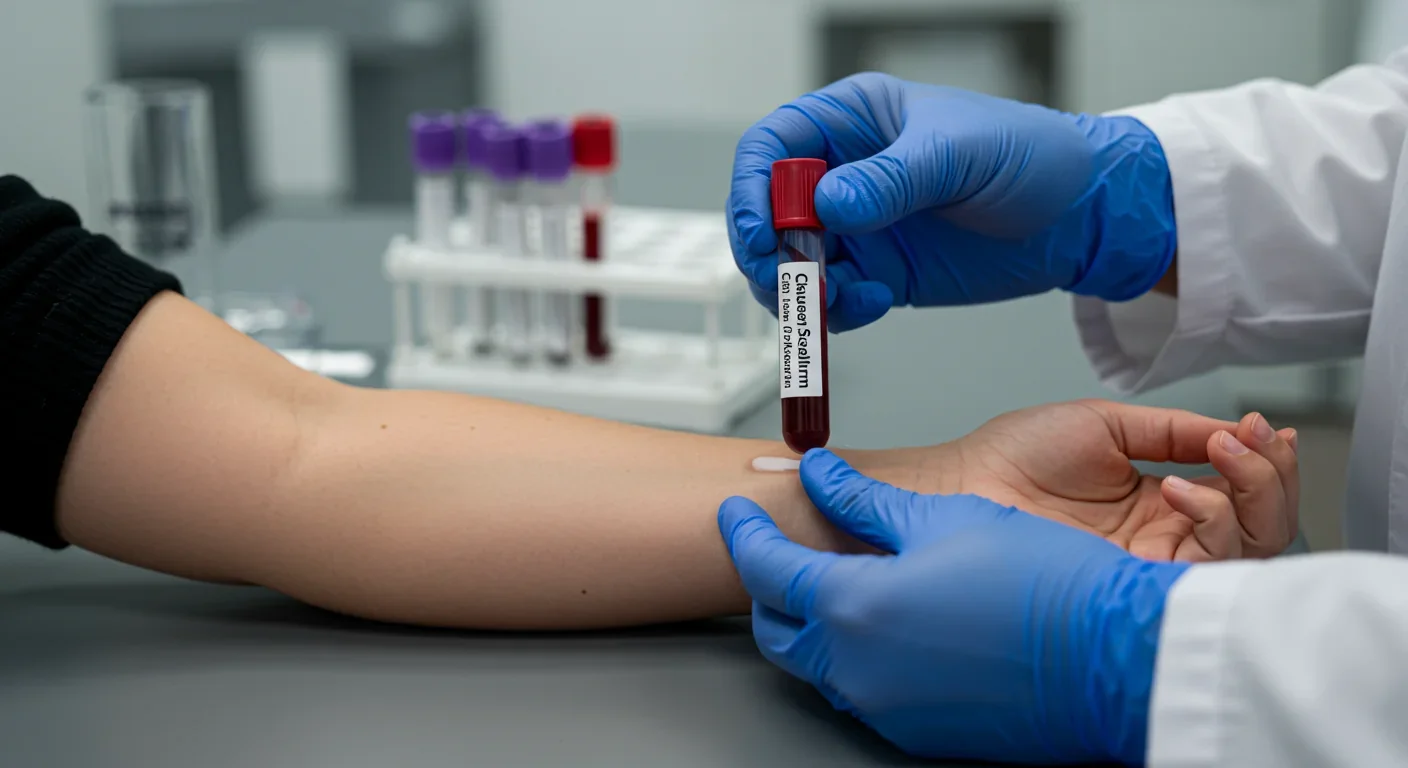
By 2030, your annual physical could include a single vial of blood that screens for over 50 types of cancer simultaneously, detecting tumors years before they'd show up on a scan or cause symptoms. This isn't speculative tech, it's already happening. Liquid biopsies are transforming how we think about cancer from a disease we fight after diagnosis to one we intercept before it takes hold.
The technology works by hunting for fragments of tumor DNA floating in your bloodstream. Every time cancer cells die, they release genetic material that circulates like messages in bottles. These fragments, called circulating tumor DNA (ctDNA), carry the same mutations as the original tumor. Find them early enough, and you've spotted cancer while it's still manageable, maybe even curable.
Traditional cancer detection has always been reactive. You notice a lump, experience unexplained weight loss, or a routine mammogram catches something suspicious. By then, the cancer has often been growing for years. Liquid biopsies flip this timeline.
The human body sheds about 30 to 40 billion cells daily through natural turnover. When those cells are cancerous, they dump their DNA into the bloodstream. A liquid biopsy isolates this cell-free DNA from a standard blood draw, then uses next-generation sequencing to identify cancer-specific mutations. The Galleri test, one of the most advanced platforms available, can screen for over 50 cancer types with a single sample.
Here's what makes this revolutionary: the test doesn't just detect cancer, it predicts where it originated. Through DNA methylation patterns (chemical tags on DNA that regulate gene activity), the technology can pinpoint the cancer signal's origin with 93.4% accuracy. If your blood shows lung cancer signatures, that's where doctors look first. No more exploratory surgeries or diagnostic odysseys.
Detection rates are conservative but meaningful. In adults aged 50 to 79, roughly 1% will receive a "cancer signal detected" result. That might sound low, but compare it to mammography, which has a similar false-positive rate, and you realize we're talking about a screening tool that supplements, not replaces, existing methods.
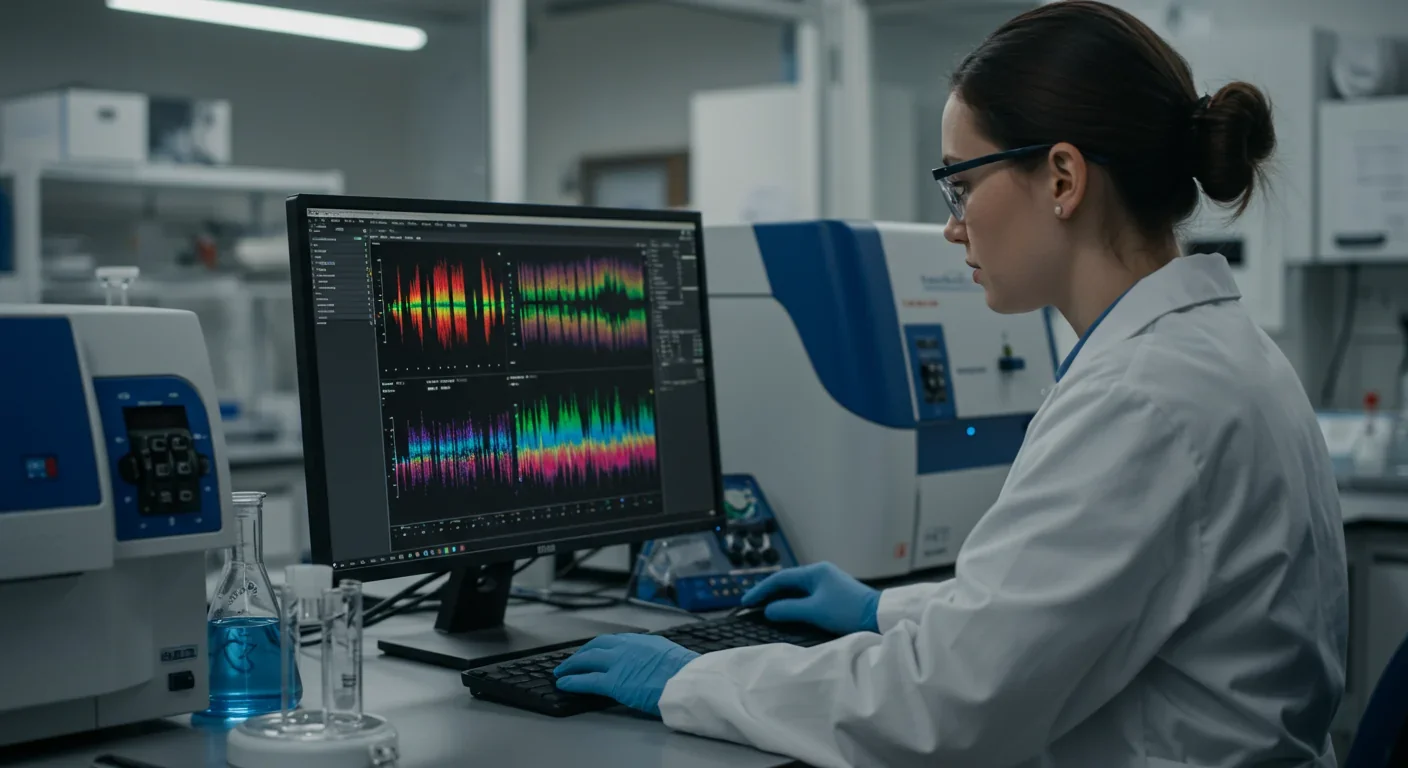
The technical challenge lies in sensitivity. Early-stage cancers shed minimal DNA, sometimes just a few fragments per milliliter of blood. To catch these signals, labs use ultra-precise techniques like digital PCR, which can detect single mutations among millions of normal DNA molecules. Newer platforms are incorporating artificial intelligence to analyze patterns human eyes might miss, improving accuracy with each iteration.
The journey from proof-of-concept to clinical reality has been remarkably swift. In January 2023, Guardant Health earned FDA approval for its Guardant360 CDx test, a companion diagnostic for advanced breast cancer patients with specific mutations. This wasn't just a scientific milestone, it was regulatory validation that liquid biopsies work.
Clinical trials have backed up the promise. The PATHFINDER study, involving over 6,600 participants, demonstrated that multi-cancer early detection tests could identify cancers that standard screening misses entirely. Participants with positive results underwent confirmatory imaging and biopsies; 38% of detected cancers had no prior screening recommendations. Translation: these tests found cancers that conventional guidelines would have overlooked.
Another trial, SYMPLIFY, tracked stage II colon cancer patients after surgery. Researchers found that ctDNA could detect minimal residual disease (leftover cancer cells) in patients whose CT scans appeared clear. Within months, those with detectable ctDNA experienced recurrence, while ctDNA-negative patients remained cancer-free. The blood test outperformed imaging by identifying threats invisibly small.
The breast cancer liquid biopsy market alone is projected to grow from $780 million in 2024 to $1.53 billion by 2029, a compound annual growth rate of 14.5%. That's not hype-driven speculation, that's venture capital, insurance companies, and healthcare systems betting real money on adoption.
Yet regulatory approval remains uneven. While some tests like Guardant360 have FDA clearance for specific use cases, broader screening tests like Galleri operate under laboratory-developed test regulations. They're not FDA-cleared for general screening, which complicates insurance coverage and physician recommendations. Most patients pay out of pocket, with tests ranging from $949 to several thousand dollars depending on the panel.
Mammograms, colonoscopies, PSA tests, we've built cancer screening around organ-specific tools that require separate appointments, specialized equipment, and often significant discomfort. Liquid biopsies consolidate that process into a single blood draw. The convenience factor alone could boost screening compliance, especially among populations that avoid invasive procedures.
But convenience doesn't mean replacement. Liquid biopsies excel at early detection and monitoring, but they can't match the diagnostic detail of tissue biopsies. When imaging finds a suspicious mass, you still need a tissue sample to confirm cancer type, stage, and treatment options. Think of liquid biopsies as the first line of defense, not the final word.
Sensitivity varies widely by cancer type. Pancreatic and ovarian cancers, which shed more ctDNA early on, show up more reliably than slow-growing prostate cancers. Tumor biology matters. A test might catch 80% of lung cancers at stage one but only 40% of early prostate cancers. That's why guidelines recommend using liquid biopsies alongside, not instead of, established screenings.
False positives pose another challenge. If 1,000 people get tested and 10 receive cancer signals, but only five actually have cancer, you've just sent five people through unnecessary anxiety, follow-up scans, and potentially invasive procedures. The psychological toll isn't trivial. Studies show that false-positive cancer screenings can cause lasting distress, even after resolution.
On the flip side, false negatives might be more dangerous. A negative result could lull someone into skipping recommended screenings, missing a cancer the blood test didn't catch. That's why Cleveland Clinic and other institutions emphasize that liquid biopsies supplement existing protocols, they don't replace them.
Cancer treatment is catastrophically expensive. The American Cancer Society estimates that cancer care costs the U.S. over $200 billion annually, split between direct medical expenses and lost productivity. Early detection, by contrast, is cheap. Treating stage one cancer costs a fraction of stage four intervention, both in dollars and human suffering.
Liquid biopsies could shift that equation dramatically. If routine screening catches cancers years earlier, we're talking about fewer late-stage diagnoses, fewer aggressive treatments, and better survival rates. A 2021 analysis suggested that multi-cancer early detection could prevent 20,000 to 30,000 late-stage diagnoses annually in the U.S. alone. That translates to billions in avoided treatment costs and tens of thousands of lives extended.
But there's a chicken-and-egg problem with insurance coverage. Payers want evidence that routine screening improves outcomes before they'll cover it. Researchers need large-scale, long-term studies to generate that evidence. Those studies require funding, which is harder to secure without insurance buy-in. Medicare is conducting a trial to assess whether liquid biopsy screening reduces cancer mortality, but results won't arrive until the late 2020s.
In the meantime, access is unequal. Wealthy patients can afford $1,000 annual tests. Lower-income populations, who often face higher cancer rates due to environmental and occupational exposures, get priced out. If liquid biopsies become standard care only for the affluent, we're deepening existing health disparities rather than closing them.
Employers are stepping into the gap. Some large companies now offer liquid biopsy screening as part of executive health programs or employee wellness benefits. It's a pragmatic calculation: catching cancer early keeps employees working and productive, and it's cheaper than covering stage four treatment. Cynical? Maybe. Effective? Probably.

Dr. Sarah Chen, an oncologist at a major cancer center, describes liquid biopsies as "the most promising screening tool I've seen in two decades." She recounts a patient, a 55-year-old with no symptoms and no family history, whose routine liquid biopsy flagged pancreatic cancer. Follow-up imaging confirmed a small tumor, operable and treatable. "Without that blood test," Chen says, "we'd have found it six months later, maybe a year. By then, surgery might not have been an option."
Patients echo that sentiment, though with caveats. Jane M., a 62-year-old who opted for Galleri screening, received a cancer signal detected result. The next three months were, in her words, "hell." Scans, biopsies, waiting. Eventually, doctors found early-stage ovarian cancer and removed it surgically. She's cancer-free now but admits the process was terrifying. "I'm grateful I caught it early," she says, "but I also wouldn't wish that anxiety on anyone."
The psychological dimension can't be ignored. Knowing you might have cancer, but not where or how serious, creates a unique kind of dread. Some patients report relief when the signal turns out to be a false positive, others struggle with lingering worry that something was missed.
Healthcare systems are wrestling with logistics. If 10 million Americans start getting annual liquid biopsies, and 1% show cancer signals, that's 100,000 people needing follow-up imaging, biopsies, and specialist consultations. Radiology departments and pathology labs already face backlogs. Adding a flood of new cases could strain infrastructure, delaying diagnoses for everyone.
On the provider side, training is critical. Primary care doctors need to understand when to order these tests, how to interpret results, and how to counsel patients through the process. That requires education programs, decision-support tools, and probably a few years of trial and error. Medicine doesn't turn on a dime.
In the U.S., liquid biopsies are marketed directly to consumers and offered through healthcare providers, a market-driven approach that prioritizes those who can pay. In the U.K., the National Health Service is running a pilot program to assess whether population-wide screening is cost-effective. If the NHS adopts liquid biopsies, it'll be based on rigorous health economics, not individual choice.
Japan has taken a different path, integrating liquid biopsies into cancer monitoring for high-risk patients rather than general screening. The focus is on people with hereditary cancer syndromes or those in remission, using ctDNA tests to catch recurrence early. It's a targeted strategy that maximizes impact while controlling costs.
Low- and middle-income countries face different challenges. The technology requires sophisticated labs, trained personnel, and robust supply chains, all of which are scarce in resource-limited settings. Even if liquid biopsies become cheap enough for widespread use, infrastructure gaps will delay adoption. Global health experts worry that this could widen the cancer survival gap between wealthy and poor nations.
Yet there's potential for leapfrogging. Just as mobile phones allowed developing countries to skip landline infrastructure, portable sequencing technologies could enable liquid biopsy deployment without building traditional lab networks. Nanopore sequencing devices, small enough to fit in a backpack, are already being tested for infectious disease surveillance. Adapting them for cancer detection isn't far-fetched.
International collaboration will determine how quickly this happens. Initiatives like the World Health Organization's cancer early detection program are pushing for affordable, scalable technologies. Partnerships between biotech companies and governments in countries like India and Kenya are piloting low-cost screening programs. If those succeed, we could see a global rollout within a decade.
Current tests are just the beginning. Researchers are developing multi-omics platforms that analyze not just DNA, but also RNA, proteins, and metabolites circulating in blood. This holistic approach could improve accuracy, catching cancers that shed little DNA but release other biomarkers.
Artificial intelligence is accelerating progress. Machine learning algorithms trained on millions of blood samples can identify patterns invisible to human analysis. As datasets grow, these systems get smarter, potentially detecting cancers earlier and with fewer false positives. Some labs are already using AI to predict treatment response based on ctDNA profiles, personalizing therapy before the first dose.
Minimal residual disease monitoring is another frontier. After surgery or chemotherapy, liquid biopsies can track whether treatment worked by measuring ctDNA levels. If levels drop to zero, the cancer's likely gone. If they persist or rise, doctors know to adjust strategy. This real-time feedback loop could replace the current watch-and-wait approach, where patients undergo scans every few months and hope for the best.
Regulatory frameworks are evolving. The FDA is developing guidelines specifically for multi-cancer early detection tests, recognizing that traditional approval pathways don't fit this new category. Expect clearer standards within the next few years, which should accelerate insurance coverage and clinical adoption.
Equity remains the biggest question mark. Will liquid biopsies become a routine part of preventive care for everyone, or a luxury for the worried wealthy? The answer depends on policy choices: public funding for research, insurance mandates, pricing regulations. Technology alone won't solve access barriers; political will and economic structures will.
Integration into routine care will happen gradually. Expect pilot programs in high-risk populations first (people with strong family histories, genetic predispositions, or occupational exposures), then expansion to broader age groups as evidence accumulates. Within a decade, your annual checkup could include a liquid biopsy as routinely as a cholesterol panel.
The ultimate vision is interception: identifying cancers so early that treatment becomes trivial. Imagine taking a pill to eliminate a cluster of 1,000 rogue cells before they form a tumor. That's not science fiction, it's the logical endpoint of earlier and earlier detection. Researchers are already testing vaccines and targeted therapies for pre-cancerous conditions identified through liquid biopsies.
For individuals, the calculus is personal. Would you want to know if your blood showed cancer signals, even if it meant months of uncertainty and invasive follow-ups? Some people will embrace that knowledge, using it to make informed decisions. Others will prefer not to know, valuing peace of mind over early warning.
What's undeniable is that the old model, wait until symptoms appear, then hope for the best, is giving way to something more proactive. Liquid biopsies aren't perfect, but they're a step toward a future where cancer is less a death sentence and more a manageable chronic condition, caught early, treated effectively, and perhaps one day, prevented entirely. The blood test revolution is here. What we do with it is up to us.

Project Orion was a real 1960s program to reach other stars by detonating 800 nuclear bombs behind a spacecraft. The physics worked and the engineering was feasible, but the 1963 nuclear test ban treaty killed it. It remains the most credible interstellar spacecraft ever designed.
The locus coeruleus, a tiny brainstem structure, degenerates decades before Alzheimer's symptoms appear. Its loss cripples the brain's inflammation control, waste clearance, and sleep regulation. New imaging tools and noradrenergic therapies offer hope for early detection and prevention.

Research shows the sharing economy often increases total resource consumption through the Jevons paradox and rebound effects. Ride-sharing adds billions of vehicle miles, co-working spaces use more energy per worker, and diffused responsibility erodes conservation behavior. Breaking the paradox requires congestion pricing, accountability design, and matching sharing models to appropriate resource types.

Psychological reactance theory explains why banning or restricting things makes people want them more. From Prohibition to the Streisand effect to scarcity marketing, research shows that threatening people's freedom reliably backfires, and autonomy-supportive communication is far more effective.

A carnivorous pitcher plant in Borneo evolved to house bats instead of trapping insects, gaining up to 95% of its nitrogen from bat guano. The plant even built an ultrasonic reflector to help bats find it, revealing that carnivory in plants is a flexible spectrum.

The quantified self movement began as a hacker-ethos pursuit of personal insight, but corporate wearables now funnel biometric data to employers, insurers, and data brokers. With 81% of Americans wrongly believing health apps are HIPAA-protected, a regulatory void enables health data to be sold for pennies while generating anxiety instead of empowerment.

CXL memory pooling lets servers dynamically share DRAM over a cache-coherent interconnect, eliminating the 40% stranded memory waste in data centers. With commercial hardware now shipping and Azure deploying CXL cloud instances, this technology promises to cut memory costs by 50% while enabling composable infrastructure.

Loading featured articles...