Alzheimer's Starts in a Spot You've Never Heard Of
Alzheimer's Starts in a Spot You've Never Heard Of
Your 'Motor Brain' Actually Controls Emotions
The Bacterial Sugar Behind Crohn's Disease Flares

How Gut Bacterium Bt Unlocks Fiber's Hidden Nutrition
Metformin Anti-Aging: How a Diabetes Drug May Slow Aging
Precision Vagus Nerve Stimulation: Organ-Targeted
TL;DR: By 2050, half of humanity will need vision correction as myopia rates explode globally due to increased near-work, screen time, reduced outdoor activity, and environmental factors like air pollution. While genetics plays a role, lifestyle and environmental changes are the primary drivers of this preventable epidemic.
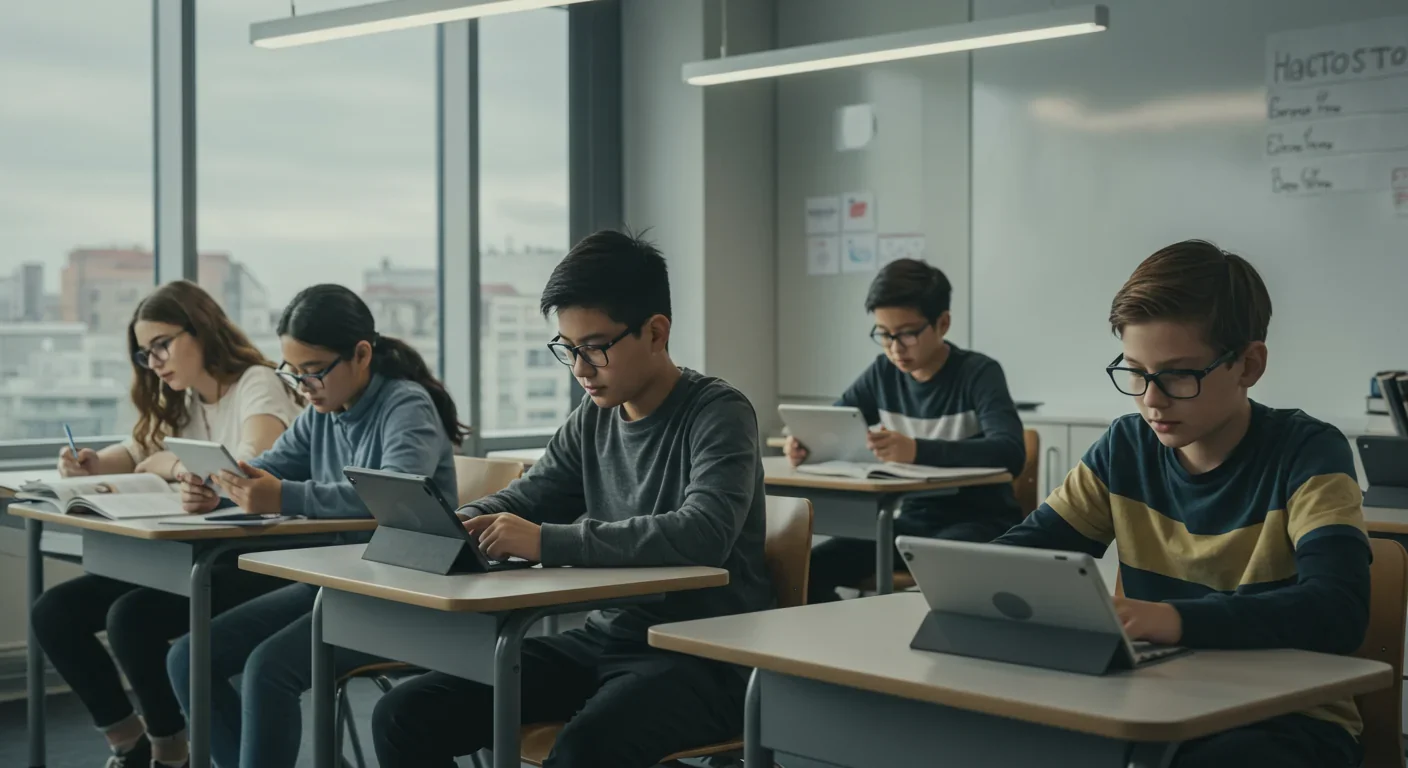
By 2050, nearly half of humanity will need glasses or contact lenses just to see clearly. That's not a distant future scenario from a sci-fi novel, it's a projection from the World Health Organization based on current trends. Right now, as you read this, the eyeballs of children worldwide are literally growing too long, distorting their vision in ways previous generations never experienced at such scale. What's happening to our eyes reflects something deeper about how we live now, and the choices we're making today will determine whether billions of people face not just blurry vision but potentially devastating blindness.
The statistics are staggering. According to the World Health Organization's World Report on Vision, myopia prevalence has exploded globally, with East Asia experiencing the sharpest increases. In China, 52.7% of children and adolescents were myopic in 2020, up 2.5% from just the year before. Among high school students in the region, the rate climbs to a shocking 80-90%.
But this isn't just an Asian problem. A recent study of nearly 30,000 schoolchildren in Tianjin found 53.2% myopia prevalence, and similar patterns are emerging across Europe, North America, and urban centers worldwide. The WHO projects that by mid-century, about 10% of the global population will have high myopia, defined as worse than -6.00 diopters, a condition that dramatically increases the risk of serious eye diseases.
To understand the speed of this change, consider that myopia was relatively uncommon in many populations just two generations ago. Now, in some East Asian cities, it's harder to find a teenager without glasses than with them. This isn't evolution, it's something we're doing to ourselves.
The human eye wasn't designed for the life we're living now. For most of human history, we spent our days scanning distant horizons, hunting, gathering, looking at varied distances. Our eyes developed to handle a diverse visual diet. Today's children inhabit a radically different environment, one dominated by close-up work and indoor lighting.
The primary culprit is what researchers call "near-work," sustained focusing on objects close to our face. Research links multiple lifestyle factors to myopia development: excessive study time, insufficient sleep, extended screen exposure, and critically, lack of outdoor activity. When young eyes spend hours focused on books, tablets, and phones just inches away, they adapt by elongating. This axial elongation is the physical mechanism behind myopia, the eyeball grows too long from front to back, causing light to focus in front of the retina instead of on it.
But there's more to the story than just staring at screens. A groundbreaking study on air quality and vision found that ambient air pollution, specifically nitrogen dioxide and fine particulate matter, independently contributes to worse visual acuity in children. The research showed that reducing pollution to the lowest 20% exposure levels could improve children's vision by a measurable amount, with primary school children benefiting twice as much as older students. The mechanism involves oxidative stress and ocular surface inflammation that accelerates the eyeball's abnormal growth.
Think about that for a moment. The air children breathe is literally changing the shape of their eyes. This suggests myopia isn't just about personal habits, it's an environmental disease shaped by how we've built our modern world.
The Global Myopia Public Health Summit 2024 emphasized that genetics alone can't explain the rapid rise. While having myopic parents increases risk, the explosion in cases across entire populations in just a few decades points to environmental and behavioral factors as the dominant drivers. In essence, we've created an epidemic through lifestyle choices, educational pressures, and urban design that keeps children indoors under artificial light.
Most people think of myopia as a minor inconvenience, a reason to buy glasses. But high myopia is a different beast entirely. When your prescription goes beyond -6.00 diopters, you're entering dangerous territory. High myopia substantially elevates the risk of sight-threatening conditions: retinal detachment, where the light-sensitive layer at the back of your eye peels away; myopic macular degeneration, which destroys your central vision; and glaucoma, which damages the optic nerve.
The economic implications are massive. Healthcare systems worldwide face mounting costs for vision correction, monitoring, and treatment of complications. In 2025, the direct costs of myopia management and related eye care run into billions annually, and that number will only grow as more people develop high myopia and age into the complications phase.
Then there's the human cost. Imagine being a teenager in Singapore or Seoul, where nearly 90% of young adults are myopic. Your entire peer group wears glasses. You face pressure to study for endless hours in preparation for university entrance exams, knowing that each hour spent reading or staring at a screen is potentially damaging your vision, but feeling you have no choice. Parents see their children's prescriptions worsen year after year, each visit to the optometrist bringing worse news.
For individuals in lower-income settings, the burden is even heavier. Uncorrected refractive errors remain a leading cause of visual impairment in many parts of the world, limiting educational opportunities and economic productivity. When a child can't see the blackboard clearly, they fall behind academically. When an adult can't afford glasses, they struggle to work. Myopia isn't just a medical issue, it's a barrier to opportunity.

The story of rising myopia is fundamentally a story about childhood in the 21st century. Educational systems in many countries, particularly in East Asia, demand intense studying from early ages. Chinese juvenile myopia has become such a concern that the government issued comprehensive prevention plans requiring cooperation among families, schools, and medical institutions.
But policy documents reveal a troubling pattern. Public health campaigns often place the burden of prevention on individual families, particularly mothers, suggesting they monitor their children's screen time, ensure proper lighting, and model healthy eye habits. This approach, while well-intentioned, obscures the broader structural issues: educational systems that demand excessive near-work, urban environments with limited green space, and economic pressures that keep both parents working long hours with little time to take children outdoors.
Screen time is the most visible villain in the myopia narrative, and deservedly so. The average child now spends multiple hours daily on phones, tablets, computers, and gaming devices. This screen exposure combines several risk factors: prolonged near focus, reduced blinking that dries the eyes, blue light exposure (though its role remains debated), and most importantly, time stolen from outdoor activity.
Yet the relationship between screens and myopia isn't simply one of cause and effect. A comprehensive analysis of lifestyle trajectories found that children with "high-risk" lifestyle patterns, combining excessive screen time, extra study hours, inadequate outdoor time, and poor sleep, showed significantly elevated myopia prevalence. It's the combination that matters, the entire package of modern childhood rather than any single factor.
Here's the fascinating part: one of the most effective interventions is remarkably simple. Outdoor time. Multiple studies have shown that spending time outdoors in natural daylight significantly reduces myopia progression, even if children continue near-work activities indoors afterward.
The mechanism isn't fully understood, but researchers believe bright outdoor light triggers the release of dopamine in the retina, which appears to inhibit axial elongation. The intensity matters, outdoor light is 10 to 100 times brighter than indoor lighting, even on overcast days. Crucially, the protective effect seems to come from being outside, not from playing sports or exercising outdoors. A child reading a book in a park gets more benefit than one playing video games indoors.
The IMI 2025 Digest recommends at least two hours of outdoor time daily for children, with some evidence suggesting three hours may be optimal for prevention. In practice, achieving this target is difficult in many modern settings. School schedules limit outdoor recess, parents worry about safety and supervise children less, and the allure of screens keeps kids indoors voluntarily.
Some regions are experimenting with structural solutions. Schools in parts of China have increased outdoor class time and implemented mandatory eye exercises. Taiwan revised its educational policies to include more outdoor breaks. Specialized myopia management programs are emerging in clinical settings, offering atropine eye drops, specialized contact lenses, and behavioral interventions to slow progression in children already showing signs of myopia.
The international public health community is finally recognizing myopia as a serious concern deserving coordinated action. The 2024 Global Myopia Public Health Summit brought together researchers, clinicians, and policymakers to develop evidence-based strategies. The summit report called for multi-level interventions spanning individual behavior change, clinical management, and policy reform.
At the clinical level, low-dose atropine eye drops have shown promise in slowing myopia progression by 30-60% in some studies, though questions about long-term safety and rebound effects remain. Orthokeratology, special rigid contact lenses worn overnight to temporarily reshape the cornea, and multifocal soft contact lenses designed to reduce peripheral defocus have both demonstrated modest efficacy in clinical trials.
Technology offers some intriguing possibilities. Augmented reality systems are being developed to reduce eyestrain during computer use by encouraging users to look at varied distances. AI-driven screening tools can identify children at high risk for rapid myopia progression, allowing earlier intervention. However, technology is also part of the problem, so any tech-based solution must carefully consider whether it adds to overall screen exposure.
Environmental interventions show real promise. The clean air research suggests that reducing pollution through portable air-cleaning units in schools, creating clean-air zones around educational institutions, and implementing low-traffic school streets could improve children's vision outcomes while providing co-benefits for learning and health. Designing classrooms with larger windows, maximizing natural light, and creating appealing outdoor spaces all support vision health.
Some nations are treating myopia as a public health emergency. China's government has declared myopia "a significant issue affecting the future of the nation" and implemented comprehensive prevention plans. Singapore, with some of the world's highest myopia rates, has launched extensive public education campaigns and research initiatives. Australia has incorporated myopia prevention into school health programs.
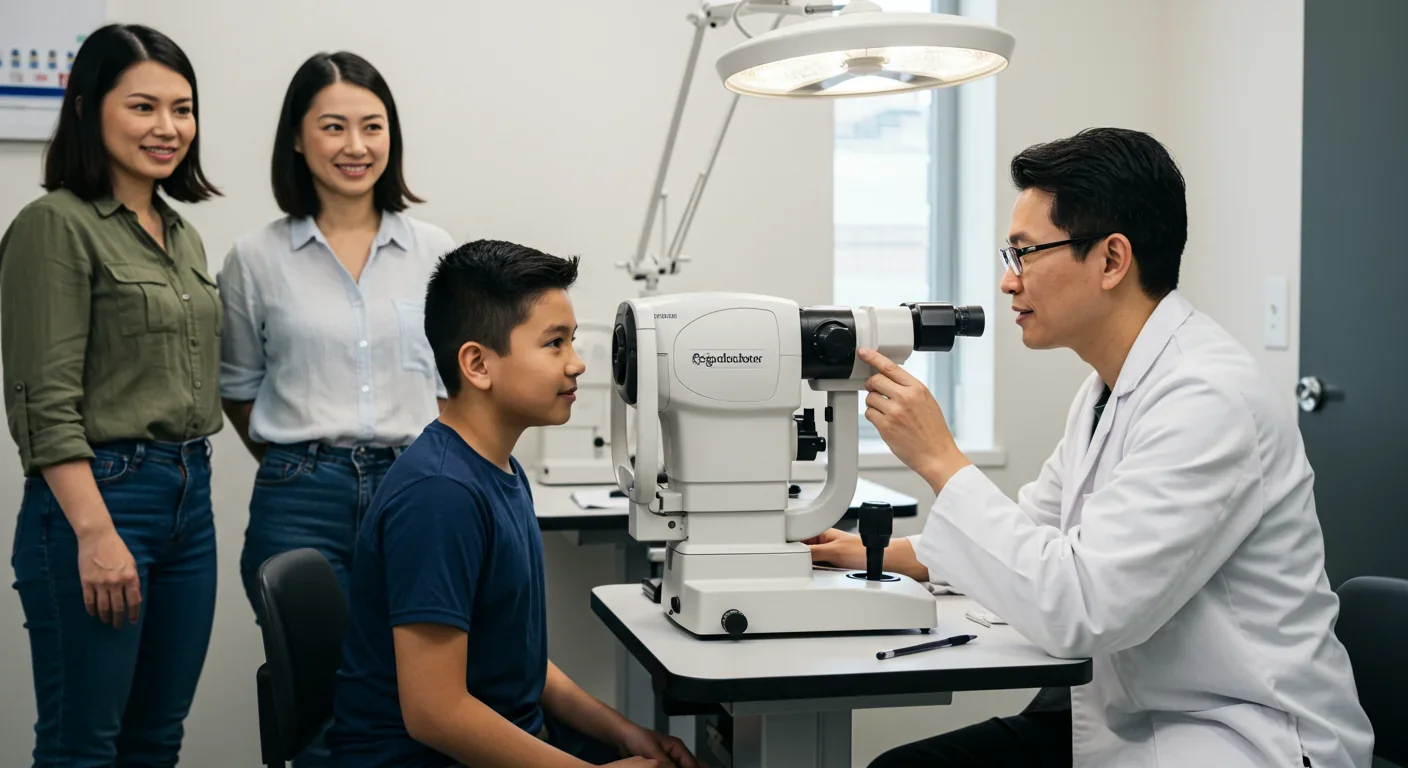
For parents worried about their children's vision, the evidence points to clear actions. Prioritize outdoor time, aim for two hours minimum daily, more if possible. This means rethinking schedules, advocating for outdoor recess at schools, planning weekend activities around parks and nature, and sometimes just sending kids outside to play unsupervised as previous generations did.
Manage near-work and screen time thoughtfully. The 20-20-20 rule offers a practical guideline: every 20 minutes of near-work, look at something 20 feet away for 20 seconds. Set boundaries on recreational screen use while acknowledging that modern education requires some screen time. Ensure adequate lighting for reading and homework, reducing the strain that contributes to eye fatigue.
Regular eye exams matter enormously. Early detection allows for interventions that can slow progression before myopia becomes severe. If your child is diagnosed with myopia, discuss management options with an eye care professional. Understanding the available interventions, from specialized lenses to pharmaceutical approaches, empowers you to make informed decisions.
For adults, especially those with high myopia, vigilance is key. Regular monitoring for complications becomes crucial as you age. Be aware of warning signs: sudden floaters, flashes of light, curtains or shadows in your peripheral vision, all of which can signal retinal problems requiring immediate attention.
At the community level, advocate for policies that support vision health. Push for educational reforms that reduce homework burdens and increase outdoor time. Support urban planning that creates safe, accessible green spaces. Back clean air initiatives that reduce pollution affecting children's developing eyes.
The myopia epidemic represents a collision between human biology and modern life. Our eyes evolved over millions of years to handle a visual environment that no longer exists for most people, especially children. In just a few generations, we've created conditions that systematically damage developing vision on a global scale.
Yet unlike many health crises, this one is largely preventable. We know the primary causes: excessive near-work, insufficient outdoor time, environmental factors like air pollution, educational systems that prioritize test scores over health. We know interventions that work: outdoor light exposure, reduced screen time, environmental modifications, clinical management for at-risk children.
The question is whether we'll act on this knowledge. Changing societal patterns is harder than developing new medical treatments. It requires rethinking education, urban design, parenting norms, and our relationship with technology. It means prioritizing long-term health over short-term competitive advantages in academic achievement.
Recent research connecting air quality to vision health reminds us that myopia sits at the intersection of multiple modern challenges: environmental degradation, urbanization, educational pressure, and technology dependence. Solving it means addressing these broader issues.
By 2050, when half the world needs glasses, will we look back and wish we'd done more? Or will we have bent the curve, implementing the interventions we already know work and preventing millions from progressing to sight-threatening high myopia? The answer depends on choices made today, in homes, schools, clinics, and government offices worldwide.
Your vision, and your children's vision, hangs in the balance. The good news is that small changes, consistently applied, can make an enormous difference. Step outside. Let your eyes see distance. Encourage children to play in natural light. Support policies that prioritize health over harmful norms. The future of human vision isn't predetermined, it's something we can still change, one day of outdoor play, one policy reform, one conscious choice at a time.
The myopia epidemic shows us that even something as personal as the shape of our eyeballs is influenced by the collective decisions of our society. Understanding that means we can reshape those decisions, and in doing so, help billions of people see the future more clearly.
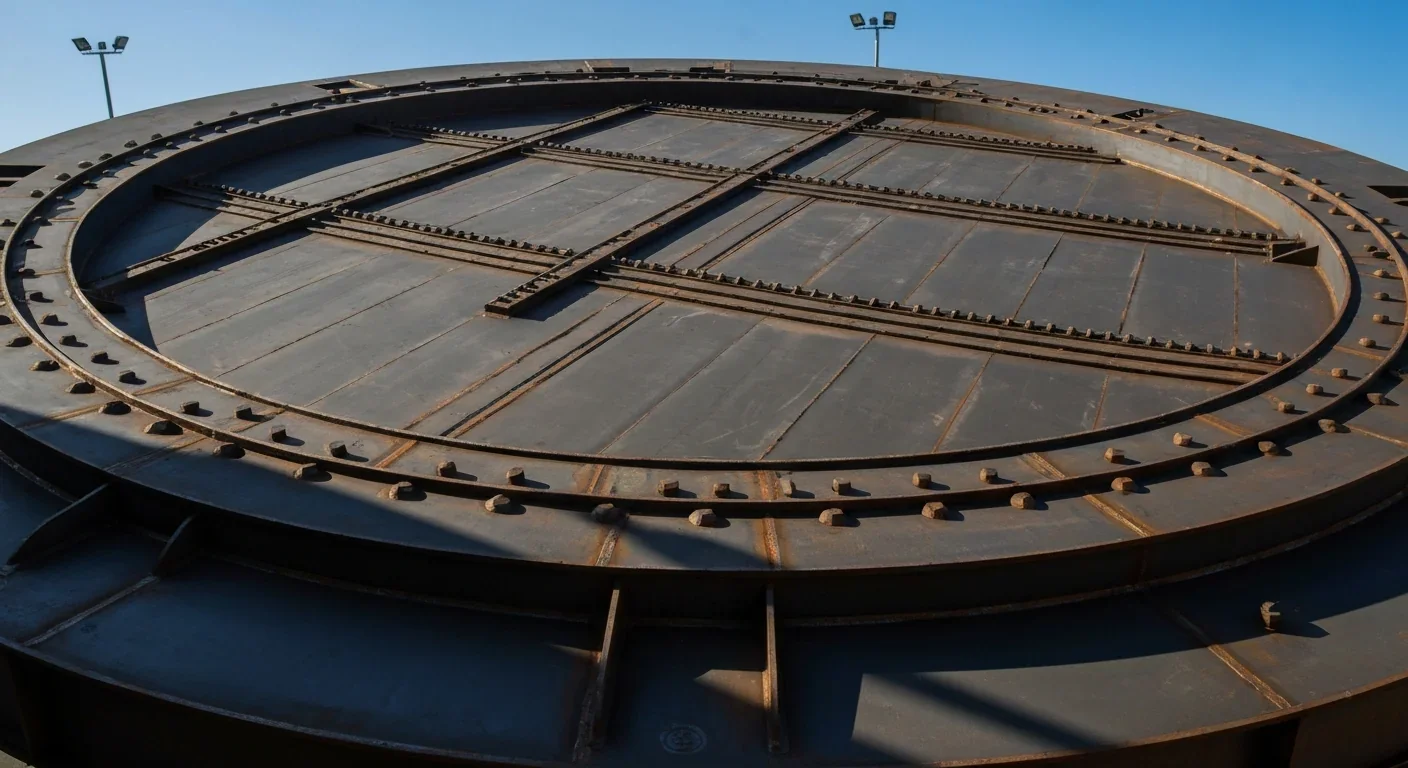
Project Orion was a real 1960s program to reach other stars by detonating 800 nuclear bombs behind a spacecraft. The physics worked and the engineering was feasible, but the 1963 nuclear test ban treaty killed it. It remains the most credible interstellar spacecraft ever designed.
The locus coeruleus, a tiny brainstem structure, degenerates decades before Alzheimer's symptoms appear. Its loss cripples the brain's inflammation control, waste clearance, and sleep regulation. New imaging tools and noradrenergic therapies offer hope for early detection and prevention.
Research shows the sharing economy often increases total resource consumption through the Jevons paradox and rebound effects. Ride-sharing adds billions of vehicle miles, co-working spaces use more energy per worker, and diffused responsibility erodes conservation behavior. Breaking the paradox requires congestion pricing, accountability design, and matching sharing models to appropriate resource types.
Psychological reactance theory explains why banning or restricting things makes people want them more. From Prohibition to the Streisand effect to scarcity marketing, research shows that threatening people's freedom reliably backfires, and autonomy-supportive communication is far more effective.

A carnivorous pitcher plant in Borneo evolved to house bats instead of trapping insects, gaining up to 95% of its nitrogen from bat guano. The plant even built an ultrasonic reflector to help bats find it, revealing that carnivory in plants is a flexible spectrum.
The quantified self movement began as a hacker-ethos pursuit of personal insight, but corporate wearables now funnel biometric data to employers, insurers, and data brokers. With 81% of Americans wrongly believing health apps are HIPAA-protected, a regulatory void enables health data to be sold for pennies while generating anxiety instead of empowerment.
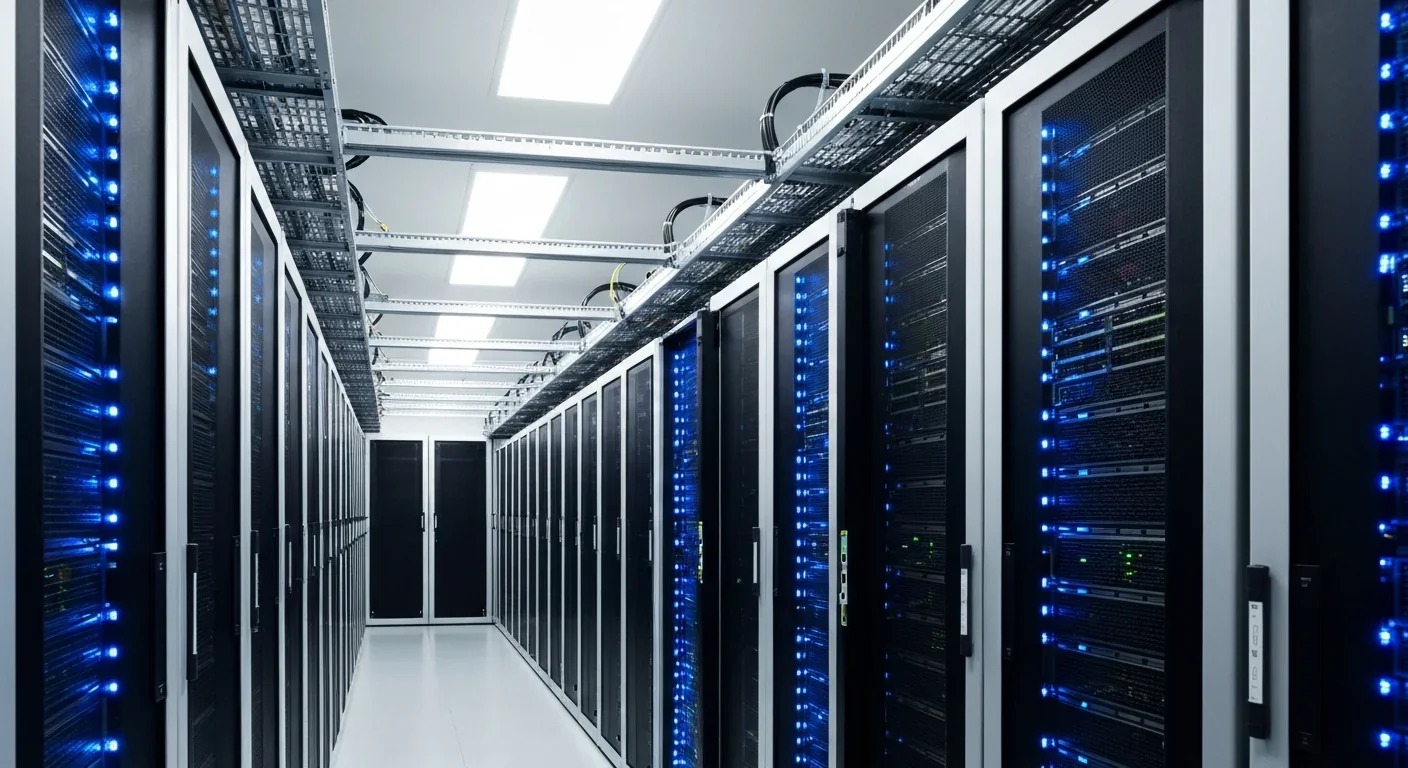
CXL memory pooling lets servers dynamically share DRAM over a cache-coherent interconnect, eliminating the 40% stranded memory waste in data centers. With commercial hardware now shipping and Azure deploying CXL cloud instances, this technology promises to cut memory costs by 50% while enabling composable infrastructure.

Loading featured articles...