Alzheimer's Starts in a Spot You've Never Heard Of

Alzheimer's Starts in a Spot You've Never Heard Of

Your 'Motor Brain' Actually Controls Emotions

The Bacterial Sugar Behind Crohn's Disease Flares

How Gut Bacterium Bt Unlocks Fiber's Hidden Nutrition

Metformin Anti-Aging: How a Diabetes Drug May Slow Aging
Precision Vagus Nerve Stimulation: Organ-Targeted
TL;DR: Slouching has become a modern epidemic, with 73% of students showing forward head posture and millions suffering chronic pain. The good news: proper ergonomics, regular movement, and targeted exercises can reverse the damage.

By 2033, the global market for posture correction devices is projected to reach billions of dollars, driven by one inescapable fact: we're slouching ourselves into a health crisis. What started as an occasional backache for desk workers has morphed into a society-wide epidemic affecting everyone from university students to remote workers.
The numbers tell a startling story. Among university students, 73% now exhibit forward head posture, a condition that was relatively rare just decades ago. In the United States alone, approximately 9 million people suffer from myofascial pain syndrome - chronic muscle pain directly linked to postural dysfunction. These aren't just statistics about discomfort. They're warning signals about how modern life is literally bending our bodies out of shape.
When you slouch, your body doesn't just look worse - it enters a cascade of physiological changes. Your head, which weighs 10-12 pounds when properly aligned, can exert up to 60 pounds of force on your neck and spine when tilted forward at a 60-degree angle. That's the typical angle when looking at a smartphone.
This mechanical stress triggers a self-sustaining cycle of muscle ischemia, where reduced blood flow creates localized oxygen deprivation in muscle tissue. The body responds by increasing acetylcholine effectiveness, leading to prolonged muscle contraction. These contracted muscles form trigger points - tender knots that radiate pain and restrict movement.
But the damage extends beyond muscles and bones. Poor posture compresses the thoracic cavity, reducing lung capacity by up to 30%. Your diaphragm can't descend fully, forcing shallow breathing that decreases oxygen delivery to tissues. Over months and years, this chronic restriction affects everything from energy levels to cognitive function.
Research documents how forward head posture reduces respiratory, musculoskeletal, and nervous system function simultaneously. The pinched nerves, restricted range of motion, and myofascial pain don't exist in isolation - they compound, creating functional impairments that interfere with daily activities.
The slouching epidemic didn't emerge by accident. It's the collision of several powerful trends that have reshaped how we live and work.
Screen time sits at the center. The average person now spends over 7 hours daily looking at screens, predominantly in positions that push the head forward and round the shoulders. This phenomenon - "tech neck" - has become a defining occupational hazard of the digital age.
Remote work accelerated everything. When offices closed during the pandemic, millions set up workstations at kitchen tables, couches, and beds - environments designed for comfort, not ergonomics. Without proper chairs or monitor stands, people spent 8-10 hours daily in positions that strain the spine.
The shift has been particularly dramatic in Asia Pacific markets, where the body posture correction medical solutions market is experiencing rapid growth. Countries like Japan and South Korea have seen telemedicine companies integrate posture correction consultations into their platforms.
Studies show that sedentary behavior increases risk for disk herniation and chronic back pain, especially when combined with weak core muscles and poor workstation setup.
Most people associate slouching with back pain, but the health consequences run deeper.
Digestive disruption: When you slouch, you compress your abdominal organs, slowing digestion and potentially contributing to acid reflux. The physical squeezing interferes with normal peristalsis - the wave-like muscle contractions that move food through your system.
Mood and mental health: Research indicates that slouched positions are associated with increased stress, anxiety, and depressive symptoms. The mechanism may be bidirectional: poor posture can lower mood, and low mood encourages slumped positions.
Cognitive performance: Restricted breathing from poor posture reduces oxygen delivery to the brain, potentially impacting focus, memory, and decision-making. While subtle day-to-day, chronic oxygen restriction contributes to fatigue and reduced mental clarity.
Circulation problems: Slouching constricts blood vessels, particularly in the legs. Over time, this can contribute to varicose veins and cardiovascular strain.
Disk degeneration: Perhaps most seriously, chronic poor posture accelerates spinal disk degeneration. When subjected to asymmetric or excessive loads from slouching, disks can bulge, herniate, or thin prematurely - damage that's often irreversible.
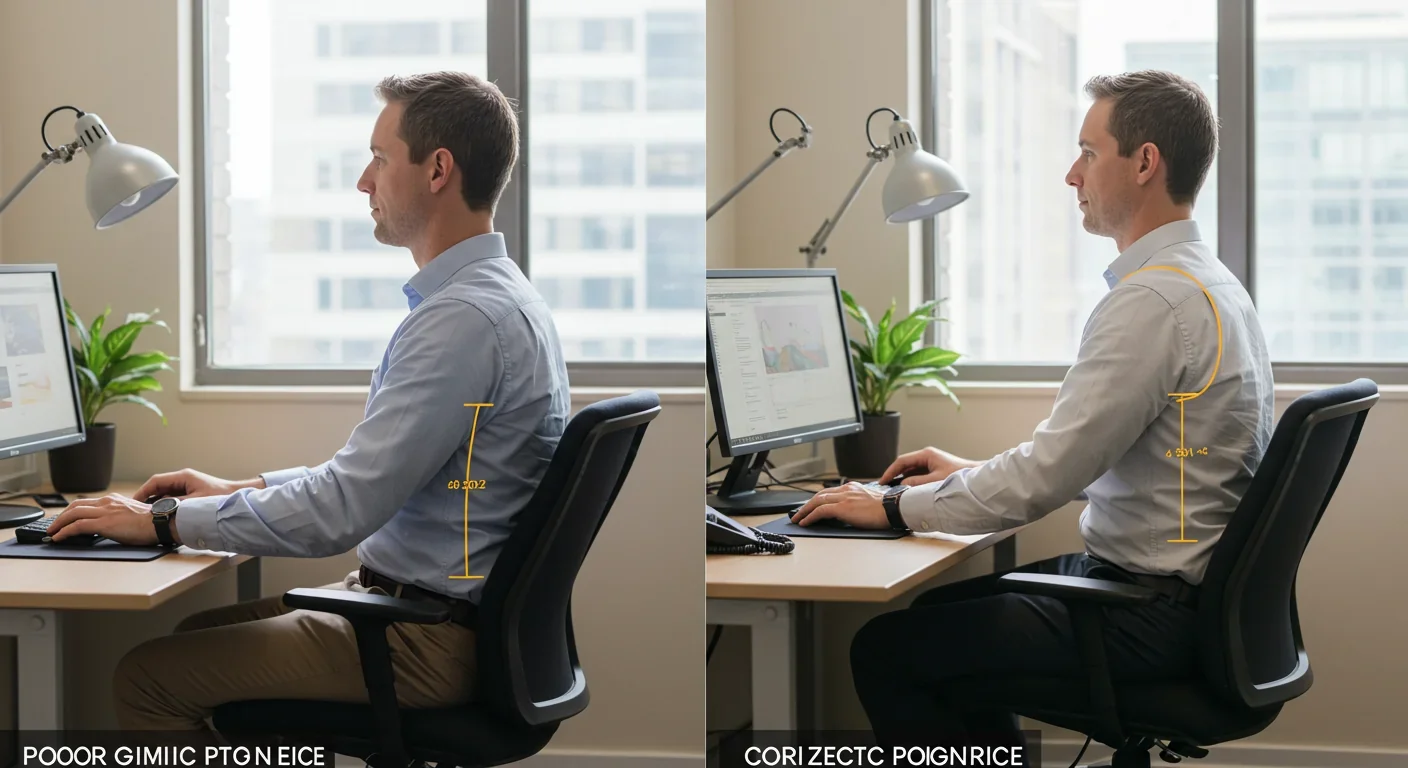
Office workers and IT professionals represent the highest-risk group. Those who spend more than 6 hours daily at computers show dramatically elevated rates of neck pain, shoulder tension, and headaches.
Women face disproportionate impact. Studies show that 65% of women aged 30-60 experience myofascial pain syndrome, with prevalence jumping to 85% in those over 65. The reasons may include anatomical differences, hormonal factors, and occupational patterns.
Students and young adults face an ironic paradox: digital natives most comfortable with technology are developing postural problems at unprecedented rates.
Physiotherapists, ergonomists, and occupational health specialists have reached consensus: the slouching epidemic is real, serious, and largely preventable.
Dr. Paul Argent, a spine health specialist, has been debunking the myth that desk jobs inevitably destroy your spine. His message: sitting isn't the problem - how you sit is. With proper ergonomics and regular movement breaks, desk workers can maintain healthy spines indefinitely.
Chiropractors emphasize undoing the damage of 9-to-5 schedules through targeted adjustments and exercises. Most patients see significant improvements within 4-6 weeks of consistent intervention.
Physical therapists highlight that regular exercise effectively treats myofascial pain. Exercise improves range of motion, mood, and pain threshold - addressing multiple aspects of posture-related dysfunction simultaneously.
The shift toward preventive care represents a notable trend. Rather than waiting until pain forces intervention, experts now advocate for posture assessment as routine health maintenance, similar to dental checkups.
The same technology contributing to the slouching epidemic is now being deployed to solve it. The posture corrector devices market is growing at 7.9% annually, driven by innovations in smart sensors, mobile apps, and wearables.
Modern posture correctors feature real-time feedback systems that vibrate when you slouch, mobile app integration tracking patterns over time, data analytics connecting posture to other health metrics, and AI-powered coaching providing personalized recommendations.
A smart wearable device launched in Japan combines sensors with machine learning to detect 12 different posture types and provide specific correction guidance. Early users report significant improvements in awareness and gradual reduction in pain.
The pandemic accelerated adoption of telemedicine for posture correction. Virtual consultations now include video analysis of home workstations, real-time posture assessment, and personalized exercise prescriptions delivered through apps.
Technology helps, but the foundation of good posture is proper ergonomic setup - and you don't need expensive equipment.
Screen positioning is critical. Your monitor should sit at arm's length, with the top at or slightly below eye level. For laptop users, this means using a separate keyboard and mouse with the laptop elevated on books or a stand.
Chair setup matters more than chair cost. Your feet should rest flat on the floor, knees at 90 degrees, with lower back supported. Take 10 minutes to properly configure your chair: seat height, armrest height, lumbar support depth, and backrest tilt.
Desk height affects everything. If your desk is too high, you'll shrug your shoulders; too low, you'll slouch forward. When typing, elbows should form 90-degree angles with relaxed shoulders. Alternate between sitting and standing every 30-60 minutes if you have a standing desk.
Movement breaks beat perfect posture. Research on sedentary behavior intervention shows that regular movement breaks - even just 2-3 minutes every hour - significantly reduce musculoskeletal discomfort.
Strengthen your postural muscles. Pilates and reformer exercises show particular effectiveness in improving alignment. The controlled movements strengthen the deep core and back muscles that support proper positioning.
Exercise therapy works. A systematic review of cervical proprioception exercises found that targeted programs improve both posture and symptoms in people with forward head position. The exercises are simple - chin tucks, neck stretches, shoulder blade squeezes - but consistency matters more than intensity.
A 2025 randomized controlled trial of osteopathic therapy with 30 participants showed significant improvements in pain threshold, functional disability scores, and lumbar mobility within 6 weeks. Participants reported not just less pain but better sleep and increased energy.
Physical therapy practices report that most desk workers see noticeable improvements within 4-6 weeks of combined adjustments and home exercises.
A study on sitting positions in school-aged children found that even simple interventions - proper desk and chair sizing, education about posture - produced measurable improvements in spinal alignment within one school term.
Posture correction is shifting from specialist treatment to preventive self-care. Just as fitness tracking moved from clinical settings to consumer wearables, posture care is becoming democratized.
Telemedicine companies integrating posture consultations make expert guidance accessible to anyone with internet access. Virtual physiotherapists can diagnose issues, recommend exercises, and monitor progress remotely.
The rise of smart posture correctors with sensors and apps puts continuous monitoring in reach of average consumers. Devices that once cost thousands are now available for under $100.
Educational resources have exploded. YouTube channels, apps, and websites offer evidence-based exercise programs that physical therapists verify.
This democratization matters because early intervention is far more effective than late-stage treatment. If you can identify and correct forward head posture at 25, you might avoid the disk degeneration and chronic pain common at 55.
Assess your current posture. Take a photo of yourself sitting at your desk from the side. Is your ear roughly over your shoulder, or is your head jutting forward? This baseline lets you track progress.
Fix the obvious ergonomic problems first. Adjust your monitor height, chair settings, and desk arrangement. These one-time changes deliver ongoing benefits.
Set movement reminders. Use your phone to prompt 2-minute breaks every hour. During breaks, do simple stretches: shoulder rolls, neck tilts, standing backbends.
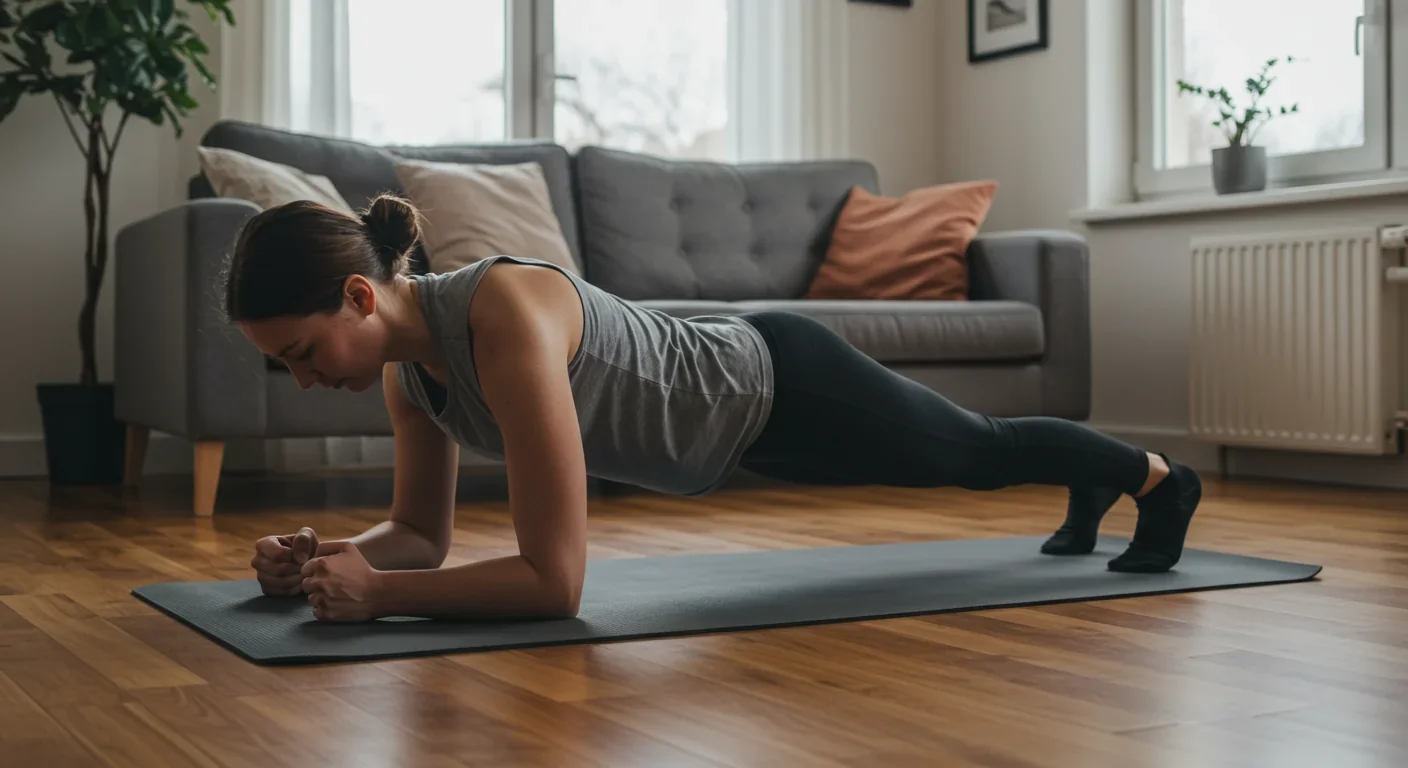
Strengthen your postural muscles. Add 10-15 minutes of targeted exercises daily: planks for core strength, rows for upper back, chin tucks for neck.
Consider smart technology. If you're struggling with awareness, a posture-correcting wearable that vibrates when you slouch can accelerate habit formation.
Get professional assessment if pain persists. While most posture issues respond to self-care, persistent pain warrants evaluation.
We're moving toward a world where posture care is integrated into daily life rather than treated as a corrective measure.
Workplaces are beginning to view ergonomics as standard practice. Companies investing in ergonomic equipment and education report reduced sick days, higher productivity, and better employee retention.
Schools are incorporating posture education alongside traditional health topics. Teaching children proper sitting positions creates lifelong benefits, potentially preventing the epidemic from affecting the next generation.
Technology will continue evolving. Imagine office chairs that automatically adjust to optimal positions, desks that remind you to stand, or AI assistants that schedule meetings around movement breaks. Early versions exist today.
Within the next decade, we'll likely see posture metrics integrated into standard health screenings, much like blood pressure or BMI. Wearables will track spinal alignment alongside steps and heart rate. Insurance companies may offer incentives for maintaining good posture, recognizing the long-term cost savings from preventing chronic pain.
The slouching epidemic is real, growing, and consequential. But unlike many modern health challenges, this one is largely within individual control. You don't need expensive treatments or rare interventions. You need awareness, proper setup, consistent movement, and targeted strengthening.
The evidence is clear: slouching harms your back, restricts your breathing, affects your mood, and accelerates aging of your spine. But the evidence is equally clear that these effects are reversible when caught early.
Every time you check your screen position, adjust your chair, or take a movement break, you're choosing a different trajectory - one where your body serves you well into old age rather than becoming a source of daily discomfort.
The posture epidemic may be society-wide, but the solution is deeply personal. It starts with a simple question: how am I sitting right now?

Project Orion was a real 1960s program to reach other stars by detonating 800 nuclear bombs behind a spacecraft. The physics worked and the engineering was feasible, but the 1963 nuclear test ban treaty killed it. It remains the most credible interstellar spacecraft ever designed.
The locus coeruleus, a tiny brainstem structure, degenerates decades before Alzheimer's symptoms appear. Its loss cripples the brain's inflammation control, waste clearance, and sleep regulation. New imaging tools and noradrenergic therapies offer hope for early detection and prevention.

Research shows the sharing economy often increases total resource consumption through the Jevons paradox and rebound effects. Ride-sharing adds billions of vehicle miles, co-working spaces use more energy per worker, and diffused responsibility erodes conservation behavior. Breaking the paradox requires congestion pricing, accountability design, and matching sharing models to appropriate resource types.

Psychological reactance theory explains why banning or restricting things makes people want them more. From Prohibition to the Streisand effect to scarcity marketing, research shows that threatening people's freedom reliably backfires, and autonomy-supportive communication is far more effective.

A carnivorous pitcher plant in Borneo evolved to house bats instead of trapping insects, gaining up to 95% of its nitrogen from bat guano. The plant even built an ultrasonic reflector to help bats find it, revealing that carnivory in plants is a flexible spectrum.
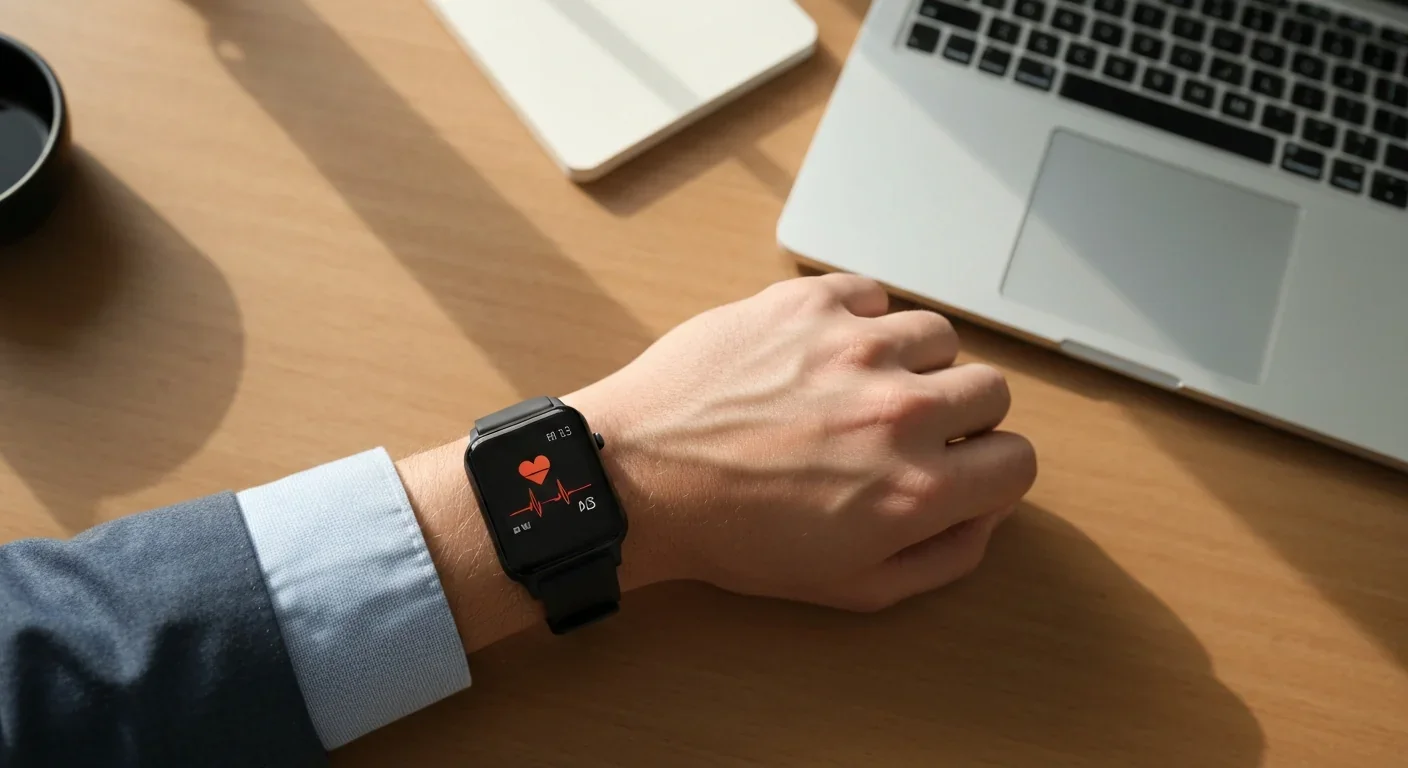
The quantified self movement began as a hacker-ethos pursuit of personal insight, but corporate wearables now funnel biometric data to employers, insurers, and data brokers. With 81% of Americans wrongly believing health apps are HIPAA-protected, a regulatory void enables health data to be sold for pennies while generating anxiety instead of empowerment.

CXL memory pooling lets servers dynamically share DRAM over a cache-coherent interconnect, eliminating the 40% stranded memory waste in data centers. With commercial hardware now shipping and Azure deploying CXL cloud instances, this technology promises to cut memory costs by 50% while enabling composable infrastructure.

Loading featured articles...