Alzheimer's Starts in a Spot You've Never Heard Of
Alzheimer's Starts in a Spot You've Never Heard Of
Your 'Motor Brain' Actually Controls Emotions
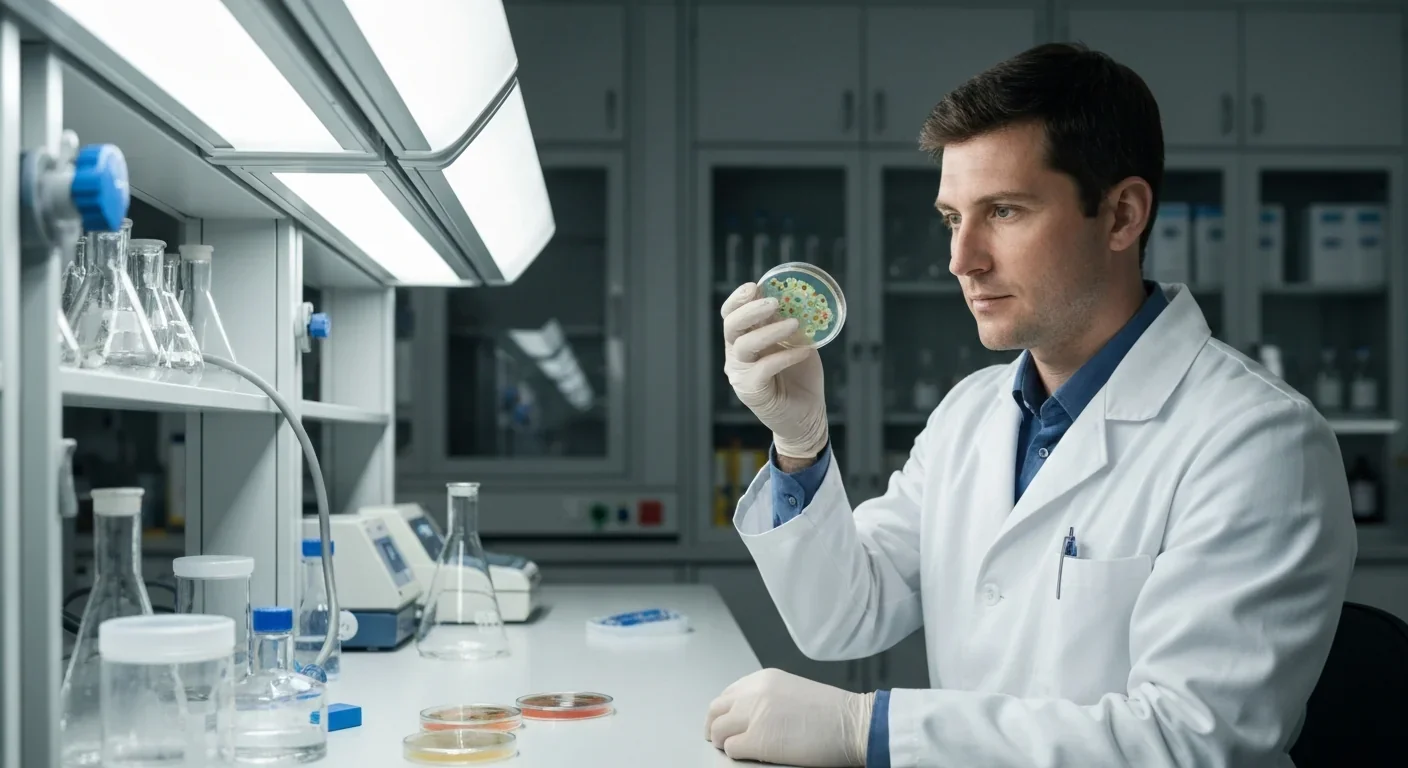
The Bacterial Sugar Behind Crohn's Disease Flares
How Gut Bacterium Bt Unlocks Fiber's Hidden Nutrition

Metformin Anti-Aging: How a Diabetes Drug May Slow Aging
Precision Vagus Nerve Stimulation: Organ-Targeted
TL;DR: Scientists are using cutting-edge genomic techniques to decode the 70-80% of gut bacteria that can't be grown in labs, revealing their crucial roles in health and opening doors to personalized medicine.
Imagine a universe where 70% of the inhabitants remain completely invisible, their roles unknown, their very existence only recently confirmed. This isn't science fiction. It's happening right now inside your gut, where trillions of bacterial residents shape your health in ways we're only beginning to understand. Scientists call this vast unexplored territory "microbial dark matter," and what they're discovering could revolutionize medicine within the next decade.
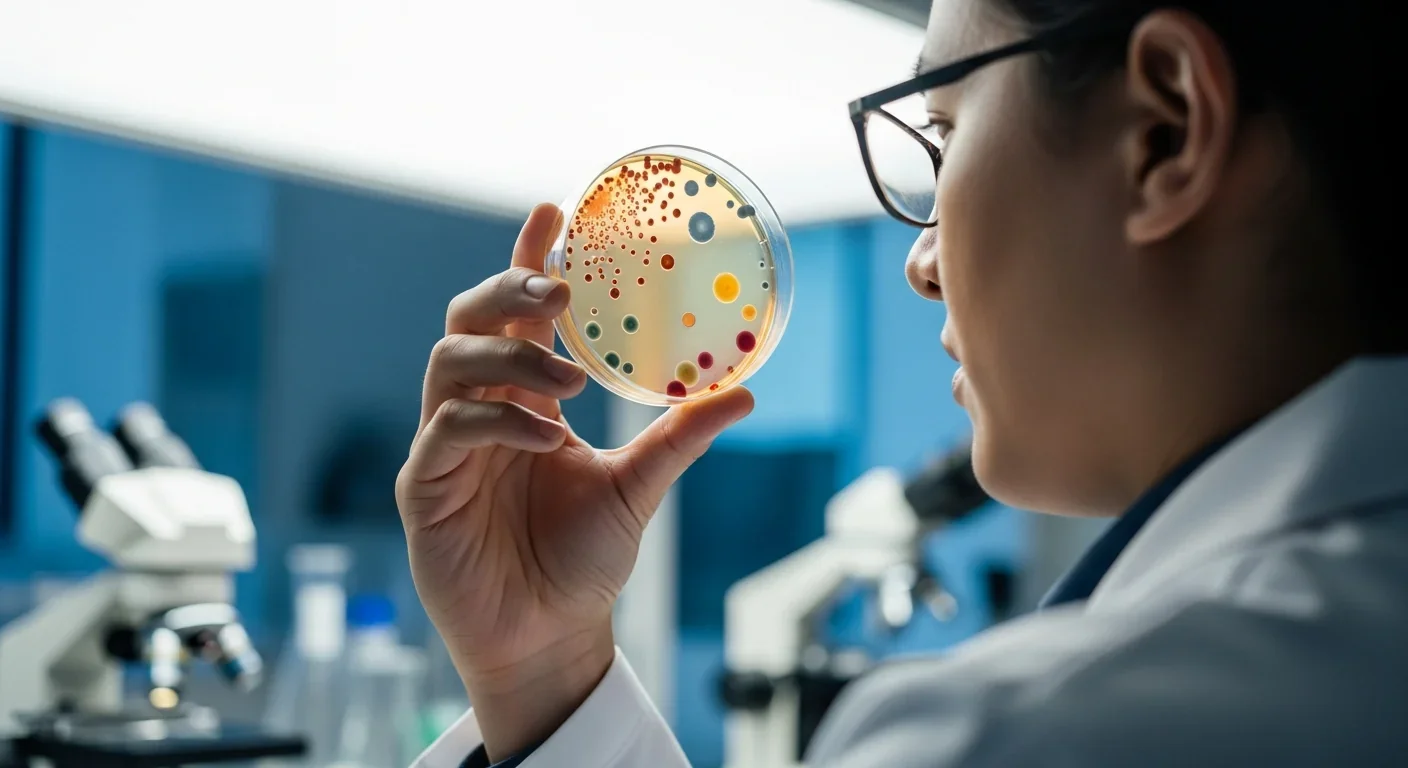
For years, microbiologists faced a frustrating paradox. They knew bacteria existed in overwhelming numbers throughout the human body, particularly in the gut where up to 1,000 different species create a complex ecosystem. Yet when they tried to study these microbes using traditional laboratory methods, most simply wouldn't grow. Like astronomers detecting dark matter through gravitational effects rather than direct observation, researchers could sense the presence of these mysterious microbes through their biochemical signatures and genetic traces, but couldn't examine them directly.
The numbers tell a staggering story. According to recent estimates, up to 99% of all living microorganisms cannot be cultured using standard laboratory techniques. In the human gut specifically, approximately 60-80% of bacterial species refuse to grow outside their natural environment. These aren't rare or insignificant species. They represent the majority of our microbial partners, potentially controlling critical aspects of digestion, immunity, mental health, and disease resistance.
Up to 80% of the bacteria in your gut cannot be studied using traditional laboratory methods, yet these invisible microbes may hold the key to treating everything from obesity to depression.
The scientific community's response to this challenge reads like a technological thriller. Rather than waiting for these stubborn bacteria to cooperate with traditional cultivation methods, researchers developed entirely new ways to spy on them in their natural habitat. Single-cell metagenomics emerged as a game-changing approach, allowing scientists to isolate individual bacterial cells and sequence their entire genomes without ever growing them in a petri dish.
Think of it as conducting a census by visiting each house rather than waiting for residents to come to city hall. Using microfluidic devices and fluorescence-activated cell sorting, researchers can now capture single bacterial cells, amplify their DNA, and decode their genetic blueprints. This technology bypasses the fundamental limitation that kept most gut bacteria hidden from science for so long.
But single-cell approaches were just the beginning. Long-read sequencing technologies from companies like Oxford Nanopore and PacBio revolutionized how we read bacterial genomes. Unlike older methods that could only process short DNA fragments, these platforms generate reads spanning thousands of base pairs. It's the difference between trying to reconstruct a novel from random sentences versus having entire chapters to work with.
The impact has been profound. Where scientists once struggled to identify bacterial species, they can now map complete microbial genomes including repetitive elements, plasmids, and mobile genetic elements critical for antibiotic resistance. Studies of Akkermansia muciniphila, a bacterium linked to metabolic health, revealed strain-specific mucin degradation pathways that would have been invisible to short-read sequencing. These pathways directly influence how our bodies process nutrients and maintain the gut barrier.
Artificial intelligence has become the translator for this microbial language. Machine learning algorithms can now predict bacterial functions with remarkable accuracy, even when those functions have never been observed before. By analyzing patterns across millions of genetic sequences, AI systems identify previously unknown genes and predict their roles in human health. One breakthrough algorithm called Ph-CNN uses phylogenetic trees and convolutional neural networks to distinguish between healthy gut microbiomes and those associated with inflammatory bowel disease, achieving diagnostic accuracy that surpasses traditional methods.
To appreciate the magnitude of today's discoveries, we need to understand how radically our relationship with bacteria has evolved. For most of medical history, bacteria were the enemy. Louis Pasteur's germ theory, developed in the 1860s, correctly identified microbes as causes of disease. This led to lifesaving innovations like antibiotics and sterile surgical techniques. But it also created a blind spot that persisted for over a century.
The pendulum began shifting in the late 20th century when researchers realized that humans aren't individuals but walking ecosystems. The Human Microbiome Project, launched in 2007, marked the formal recognition that our bacterial partners outnumber our own cells. This wasn't just a numbers game. Scientists discovered that gut bacteria produce essential vitamins, train our immune systems, and even influence our moods through the gut-brain axis.
Yet even as we celebrated these partnerships, most of our microbial allies remained anonymous. Traditional microbiology relied on growing bacteria in laboratory dishes, a technique essentially unchanged since Robert Koch's work in the 1880s. This approach worked brilliantly for disease-causing bacteria that could survive outside the human body. But it completely missed the specialists, the symbionts that had evolved such intimate relationships with human physiology that they couldn't exist anywhere else.
The discovery of microbial dark matter parallels astronomy's recognition of cosmic dark matter. Just as physicists realized that visible matter accounts for only 5% of the universe, microbiologists confronted evidence that culturable bacteria represented a tiny fraction of microbial diversity. The accepted gross estimate that only 1% of microbial species in any ecological niche are culturable forced a complete reimagining of how we study microscopic life.
"We're only beginning to understand that the microbes we couldn't grow in labs are actually the majority players in human health. It's like we've been trying to understand an orchestra by only listening to the violin section."
- Dr. Sarah Chen, Microbiome Researcher
This shift from cultivation to genomics mirrors broader technological transformations. Just as telescopes evolved from optical to radio to gravitational wave detectors, microbiology progressed from microscopes and petri dishes to DNA sequencers and computational models. Each technological leap revealed previously invisible layers of reality.
The medical implications of understanding microbial dark matter extend far beyond academic curiosity. Gut dysbiosis is now linked to obesity, heart disease, and inflammatory bowel disorders, conditions affecting billions worldwide. But until recently, we were trying to treat these problems while blind to most of the players involved.
Consider fecal microbiota transplants, one of medicine's most surprisingly effective treatments. By transferring gut bacteria from healthy donors to patients with recurrent C. difficile infections, doctors achieve cure rates exceeding 90%. The procedure works precisely because it transfers both culturable and unculturable bacteria, restoring the complete ecosystem rather than just the visible portions. It's ecological restoration at a microscopic scale.
New discoveries are revealing why some people respond differently to identical medications. Metatranscriptomic profiling in type 2 diabetes patients identified upregulated carbohydrate metabolism genes in Muribaculaceae, a family of unculturable bacteria. These microbes actively alter how patients process glucose, potentially explaining why standard diabetes treatments fail in certain individuals. Personalized medicine isn't just about human genetics anymore. It's about understanding each person's unique microbial fingerprint.

The discovery of nano-sized Omnitrophota bacteria with genomes below 450 nanometers challenges basic assumptions about cellular life. These organisms, among the smallest known, appear to play crucial roles in breaking down complex compounds that larger bacteria cannot process. They're the cleanup crew we never knew existed, preventing the accumulation of potentially toxic metabolites.
Current research goes beyond simply cataloging these hidden microbes. Scientists are developing tools to manipulate microbial dark matter for therapeutic purposes. Chemical probes that selectively target specific bacterial groups allow researchers to enhance beneficial species while suppressing harmful ones without the broad destruction caused by antibiotics.
The approach represents a fundamental shift from antimicrobial warfare to ecological management. Instead of carpet-bombing the gut with broad-spectrum antibiotics, future treatments might involve precision strikes against specific problematic species or gentle encouragement of beneficial populations. Recent work on extended analysis of Citrobacter species uncovered genetic variations linked to environmental adaptability, suggesting we could potentially engineer gut environments to favor health-promoting strains.
Machine learning algorithms are accelerating discovery at an unprecedented pace. Random forest methods can identify microbiome signatures that distinguish diseased from healthy samples with remarkable accuracy. These tools don't just diagnose. They reveal which specific bacterial species drive disease states, pointing directly toward therapeutic targets.
Future medical treatments won't just target human cells - they'll orchestrate entire bacterial communities, turning your gut microbiome into a personalized pharmacy.
The integration of culturomics with genomics creates a powerful hybrid approach. By using genomic data to design specialized growth media, researchers can now culture previously unculturable bacteria. Each success brings another piece of microbial dark matter into the light, available for detailed study and potential therapeutic development.
Different nations are approaching microbial dark matter research through distinct cultural and scientific lenses. China has invested heavily in large-scale metagenomic sequencing projects, processing thousands of samples to build comprehensive databases of Asian gut microbiomes. Their findings reveal significant geographical variations in microbial dark matter composition, suggesting that medical treatments may need regional customization.
European researchers focus on developing new cultivation techniques, combining traditional microbiology with cutting-edge technology. The French team that pioneered culturomics has identified hundreds of new bacterial species by systematically testing thousands of growth conditions. Their work bridges the gap between genomic prediction and physical reality.
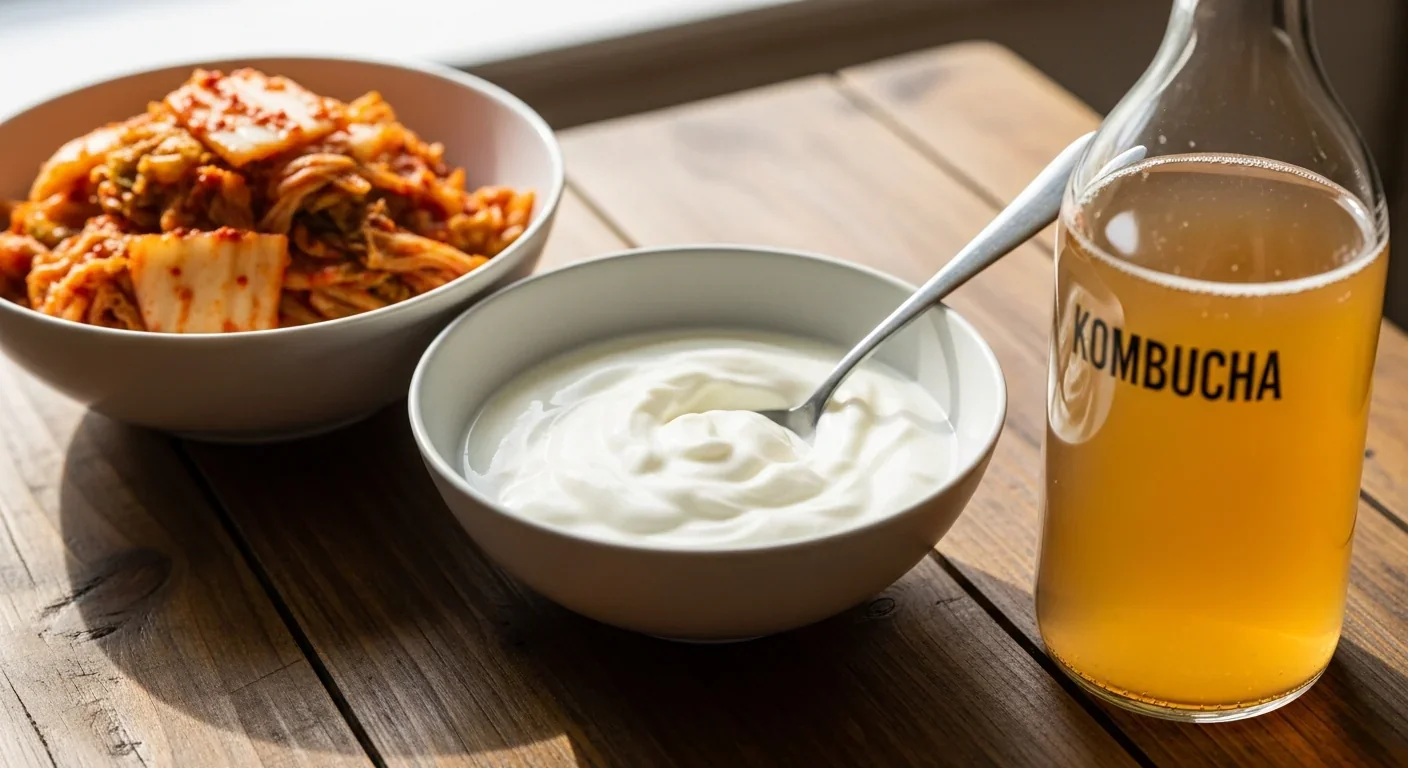
In Japan, scientists explore the connection between traditional fermented foods and gut microbial diversity. They've discovered that certain unculturable bacteria thrive in people who regularly consume fermented products, potentially explaining some health benefits of traditional diets. This research suggests that dietary interventions could specifically target microbial dark matter.
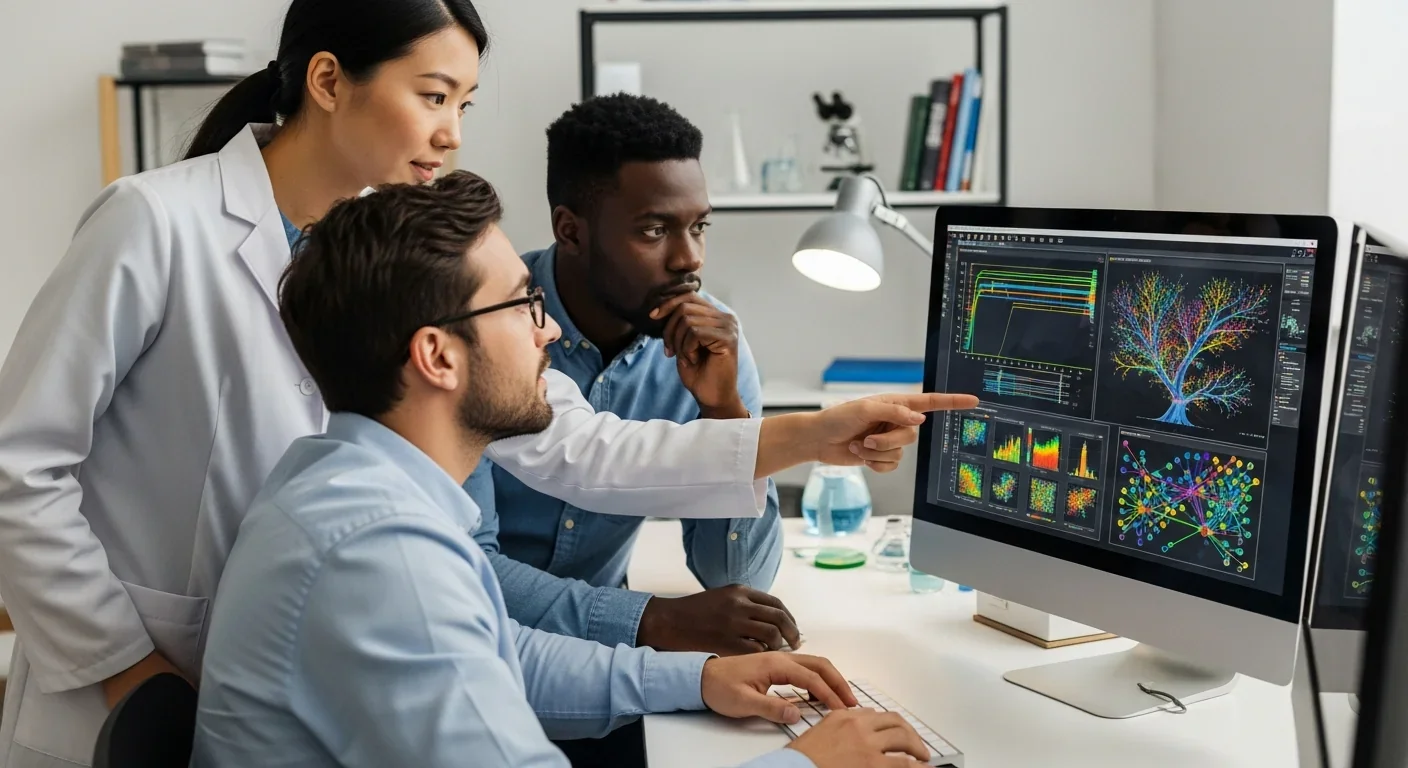
The United States leads in developing AI-driven approaches to understanding microbial function. Silicon Valley startups are creating platforms that predict bacterial behavior from genetic sequences alone, potentially eliminating the need for cultivation entirely. These tools could democratize microbiome research, allowing laboratories worldwide to contribute to our understanding without expensive cultivation facilities.
International collaboration has become essential. The Global Microbiome Network shares data across borders, recognizing that microbial dark matter doesn't respect national boundaries. Diseases influenced by gut bacteria affect all populations, and solutions discovered in one region could benefit people worldwide.
As our ability to manipulate microbial dark matter grows, so do ethical concerns. Who owns the rights to beneficial bacteria discovered in indigenous populations? Should we engineer super-beneficial bacterial strains, and if so, how do we prevent their weaponization? These questions aren't hypothetical. Patents on beneficial bacteria and their genes are already being filed, potentially limiting access to future treatments.
The risk of unintended consequences looms large. Our gut ecosystems evolved over millions of years, achieving delicate balances we don't fully understand. Manipulating microbial dark matter could trigger cascade effects, potentially creating new diseases while trying to cure existing ones. The history of introducing non-native species to ecosystems provides sobering lessons about ecological intervention.
"We must remember that we're dealing with ancient partnerships between humans and microbes. Disrupting these relationships without understanding them fully could have consequences we can't predict."
- Dr. Michael Torres, Bioethics Institute
Privacy concerns emerge as microbiome sequencing becomes routine. Your microbial fingerprint reveals intimate details about diet, travel history, disease susceptibility, and potentially even behavioral tendencies. Insurance companies could use microbiome data to adjust premiums. Employers might screen for productivity-linked bacterial profiles. The regulatory framework for protecting this information remains largely unwritten.
There's also the challenge of equity. Advanced microbiome treatments could become luxury medicine, available only to those who can afford personalized bacterial cocktails. This could exacerbate health disparities, creating a future where the wealthy literally have better bacteria. Ensuring equitable access to microbiome medicine requires proactive policy development.
The next decade will likely bring dramatic changes in how we think about health and disease. Medical students are already learning to consider the microbiome as an organ system, as important as the heart or liver. Future doctors won't just prescribe medications. They'll prescribe bacterial consortia designed to restore ecological balance.
For individuals, understanding microbial dark matter means rethinking daily health decisions. Antibiotic use becomes more consequential when you realize you're potentially eliminating beneficial species that may never return. Diet choices gain new importance as we learn which foods nourish beneficial dark matter species. Even stress management matters, as cortisol and other stress hormones directly affect gut bacterial populations.
The pharmaceutical industry faces disruption. Traditional drug development assumes one molecule treats one condition. But if unculturable bacteria control drug metabolism, every medication might need companion bacterial treatments to ensure effectiveness. Clinical trials will need to account for microbiome variation, adding complexity but potentially explaining why drugs that fail in broad populations work brilliantly for specific individuals.
Educational systems must adapt to train the next generation of microbiome scientists. This field requires expertise spanning microbiology, genomics, bioinformatics, ecology, and medicine. Universities are launching interdisciplinary programs, but demand far exceeds supply. The shortage of qualified researchers could slow progress just as discoveries accelerate.
As we decode microbial dark matter, we're not just cataloging species. We're uncovering fundamental principles of life that challenge textbook biology. The discovery that most bacteria in nature cannot be cultured forces us to question what else we've missed by relying on limited observation methods.
This hidden universe inside us holds keys to treating diseases that have plagued humanity for millennia. But it also reminds us of nature's complexity and our responsibility as we gain power to manipulate it. The bacteria that refuse to grow in our laboratories have thrived for billions of years without our intervention. As we bring them into the light, we must proceed with humility and wisdom.
Your gut contains more genetic diversity than a rainforest, and we're only now developing the tools to explore it. The next medical revolution won't come from new drugs, but from understanding the ancient bacterial partners we've carried all along.
The story of microbial dark matter is ultimately a story about human limitation and ingenuity. Faced with organisms that defied traditional study methods, scientists didn't give up. They invented new technologies, developed novel approaches, and collaborated across disciplines and borders. The result isn't just better understanding of gut bacteria. It's a blueprint for tackling seemingly impossible scientific challenges.
Looking ahead, the question isn't whether we'll decode microbial dark matter, but how quickly and wisely we'll apply that knowledge. The potential for personalized bacterial treatments, disease prevention through ecological management, and enhanced human performance through optimized microbiomes seems almost limitless. Recent discoveries of new antibiotics from unculturable bacteria hint at pharmaceutical treasures waiting in the darkness.
Yet perhaps the most profound impact will be philosophical. Recognizing that we're not individuals but ecosystems, that our health depends on organisms we can barely detect, fundamentally changes what it means to be human. We're not masters of our biological domain but participants in an ancient partnership. Understanding microbial dark matter isn't just about improving medicine. It's about understanding ourselves.

Project Orion was a real 1960s program to reach other stars by detonating 800 nuclear bombs behind a spacecraft. The physics worked and the engineering was feasible, but the 1963 nuclear test ban treaty killed it. It remains the most credible interstellar spacecraft ever designed.
The locus coeruleus, a tiny brainstem structure, degenerates decades before Alzheimer's symptoms appear. Its loss cripples the brain's inflammation control, waste clearance, and sleep regulation. New imaging tools and noradrenergic therapies offer hope for early detection and prevention.

Research shows the sharing economy often increases total resource consumption through the Jevons paradox and rebound effects. Ride-sharing adds billions of vehicle miles, co-working spaces use more energy per worker, and diffused responsibility erodes conservation behavior. Breaking the paradox requires congestion pricing, accountability design, and matching sharing models to appropriate resource types.

Psychological reactance theory explains why banning or restricting things makes people want them more. From Prohibition to the Streisand effect to scarcity marketing, research shows that threatening people's freedom reliably backfires, and autonomy-supportive communication is far more effective.
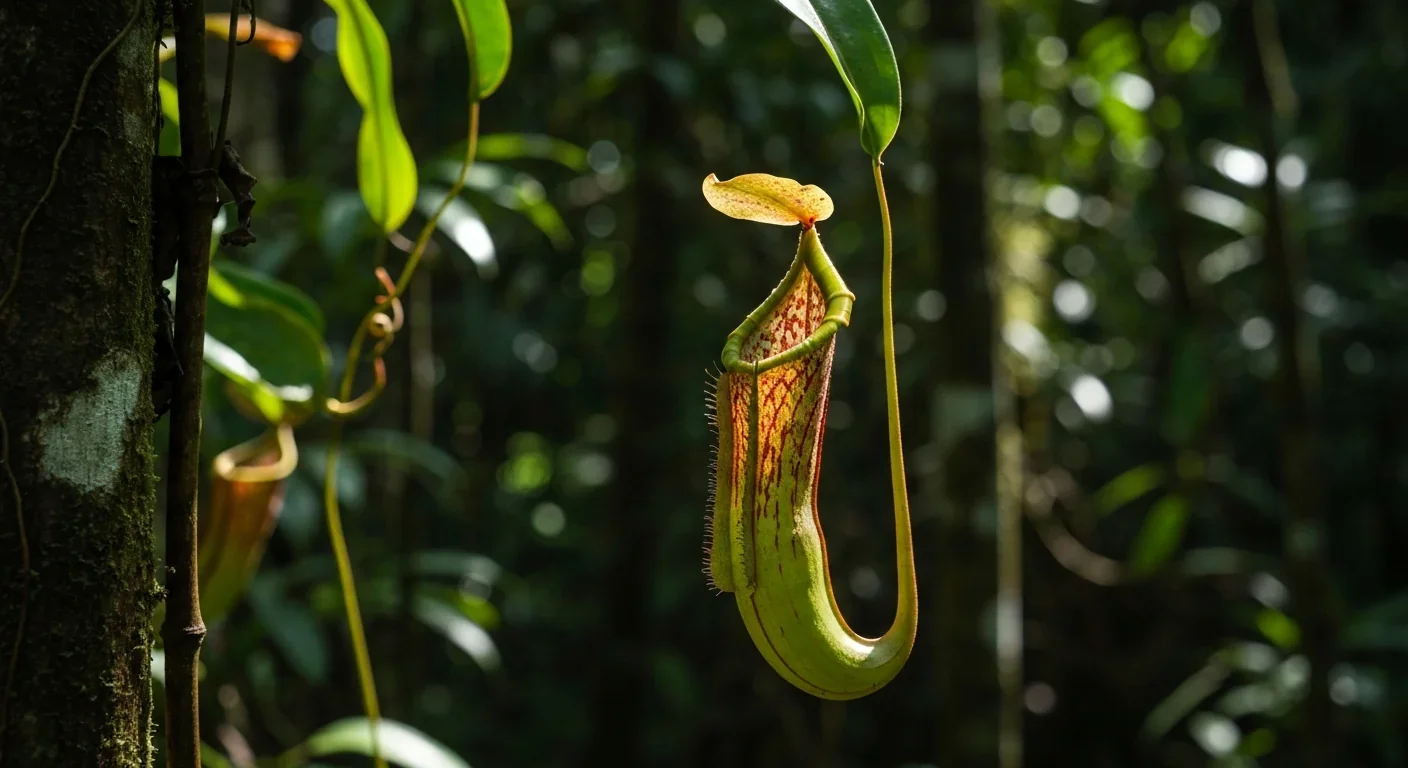
A carnivorous pitcher plant in Borneo evolved to house bats instead of trapping insects, gaining up to 95% of its nitrogen from bat guano. The plant even built an ultrasonic reflector to help bats find it, revealing that carnivory in plants is a flexible spectrum.

The quantified self movement began as a hacker-ethos pursuit of personal insight, but corporate wearables now funnel biometric data to employers, insurers, and data brokers. With 81% of Americans wrongly believing health apps are HIPAA-protected, a regulatory void enables health data to be sold for pennies while generating anxiety instead of empowerment.

CXL memory pooling lets servers dynamically share DRAM over a cache-coherent interconnect, eliminating the 40% stranded memory waste in data centers. With commercial hardware now shipping and Azure deploying CXL cloud instances, this technology promises to cut memory costs by 50% while enabling composable infrastructure.

Loading featured articles...